
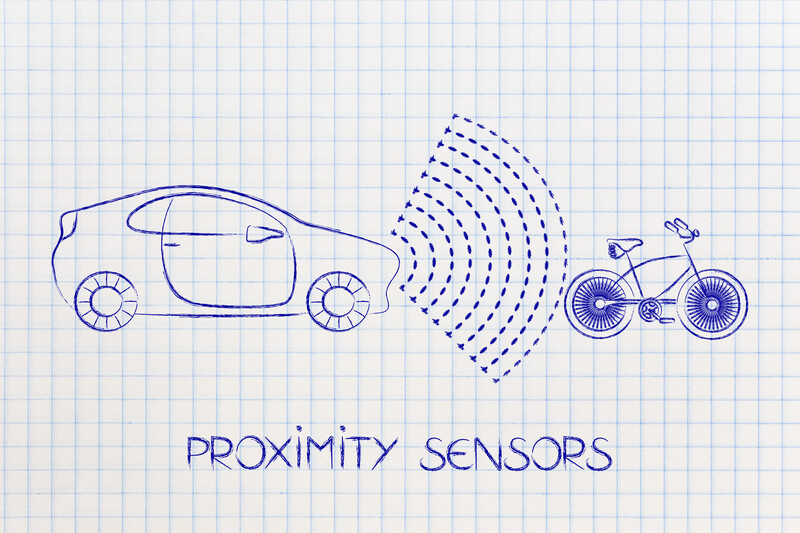
Car proximity sensors, also known as parking sensors, use ultrasonic waves or electromagnetic fields to detect objects near a vehicle, alerting drivers to potential collisions during parking or low-speed maneuvers. These systems enhance safety by providing audible beeps, visual displays, or haptic feedback, making them essential for modern vehicles especially in tight urban spaces like Nairobi's busy streets.
Why Install Car Proximity Sensors
Proximity sensors address blind spots that mirrors and cameras can't fully cover, reducing minor accidents by up to 50% according to automotive safety studies. They prove invaluable for novice drivers, those with larger vehicles like SUVs, or in congested parking lots.
Key benefits include:
-
Collision Prevention: Detects obstacles within 0.3 to 2 meters, giving real-time alerts.
-
Ease of Parking: Simplifies reversing into tight spots, ideal for multi-story garages.
-
Vehicle Protection: Guards bumpers and paint from scrapes, lowering repair costs.
-
Driver Confidence: Reduces stress, particularly at night or in rain.
-
Resale Value Boost: Adds a premium feature, appealing to buyers.
Installation turns a standard car into a safer, smarter machine without needing advanced tech skills.
Types of Car Proximity Sensors
Understanding sensor varieties helps choose the right fit for your vehicle model and budget.
-
Ultrasonic Sensors: Most common; emit sound waves and measure echoes. Affordable (KSh 5,000–15,000 for kits) and reliable up to 2 meters.
-
Electromagnetic Sensors: Detect metal objects via fields; less affected by dirt but pricier (KSh 20,000+).
-
Radar-Based Sensors: Use radio waves for longer range (up to 10 meters); ideal for highways but expensive.
-
Infrared Sensors: Work with light beams; compact but sensitive to weather.
Ultrasonic kits dominate DIY installs due to simplicity and compatibility with most sedans and SUVs.
Tools and Materials Needed
Gather these before starting to ensure a smooth process.
Essential tools:
-
Drill with bits (4–18mm for sensor holes)
-
Wire strippers and crimping tool
-
Screwdrivers (Phillips and flathead)
-
Multimeter for testing connections
-
Fish tape or wire coat hanger for routing
-
Double-sided tape or mounting brackets
-
Cleaning supplies (alcohol wipes, sandpaper)
Materials checklist:
-
Proximity sensor kit (4–8 sensors, control unit, buzzer, display)
-
Wiring harness (20–30 meters)
-
Heat-shrink tubing and electrical tape
-
Inline fuses (5–10A)
-
Zip ties and grommets
-
Silicone sealant for weatherproofing
Budget tip: Full kits from local auto shops start at KSh 8,000, including all components.
Step-by-Step Installation Guide
Follow these phases methodically for professional results. Total time: 4–6 hours for beginners.
Preparation Phase
Park on a flat surface, disconnect the battery negative terminal, and clean the bumper thoroughly. Measure sensor positions: front bumper 40–60cm apart, rear 30–50cm, centered 50–70cm from ground.
Mark hole spots with tape, ensuring alignment symmetry. Test-fit sensors to confirm.
Drilling and Mounting Sensors
Drill pilot holes (match sensor diameter, usually 18mm) from inside the bumper. Avoid wiring harnesses or structural beams—use a bumper template from the kit.
Insert sensors, secure with nuts or clips, and apply sealant around edges for water resistance.
Pro tip: Angle rear sensors slightly downward (10–15 degrees) for better ground detection.
Wiring the System
Route wires through existing grommets or new holes into the cabin. Connect to control unit:
-
Red wire to constant 12V (fuse box).
-
Black to ground (chassis metal).
-
Blue/white to reverse light (auto-activation).
-
Speaker wires to buzzer.
Use the multimeter to verify polarity. Solder or crimp connections, insulate with heat-shrink.
Control Unit and Display Setup
Mount the control box under the dashboard or behind the glovebox using brackets. Connect the display to the windshield or console with suction cup or adhesive.
Link all sensors to the unit (numbered ports match positions). Reconnect battery and test.
Testing and Calibration
Power on: Sensors beep on startup. Reverse to activate—adjust sensitivity via control dials (1–10 levels).
Walk test: Approach from all angles; expect increasing beep frequency as distance closes (<30cm continuous tone).
Fine-tune volume and range. Drive in a safe lot to simulate real use.
Common Challenges and Troubleshooting
Issues arise but are fixable.
-
False Alarms: Dirt on sensors—clean regularly. Adjust sensitivity down.
-
No Detection: Check fuses, wiring continuity with multimeter. Verify reverse light trigger.
-
Uneven Alerts: Mismatched sensor angles—realign during install.
-
Water Ingress: Reapply sealant; use IP67-rated kits.
Professional help needed? Local garages charge KSh 5,000–10,000 for installs.
Maintenance and Upgrades
Keep sensors performing: Wipe monthly, avoid high-pressure washes directly on them. Lifespan: 5–7 years.
Upgrades:
-
Add smartphone app integration (Bluetooth modules, KSh 3,000).
-
Combine with rearview cameras for hybrid systems.
-
Upgrade to OEM-style digital displays.
Regular checks prevent failures, ensuring long-term reliability.
Investing time in car proximity sensors installation pays off through safer drives and fewer mishaps. With basic tools and patience, anyone can achieve a factory-like setup, transforming daily parking into a breeze.