
SMART BOREHOLE DRILLING IN KIPKELION – ADVANCED BOREHOLE DRILLING, HYDROGEOLOGICAL SURVEYS, SOLAR WATER PUMPING & COMPLETE WATER ENGINEERING SOLUTIONS
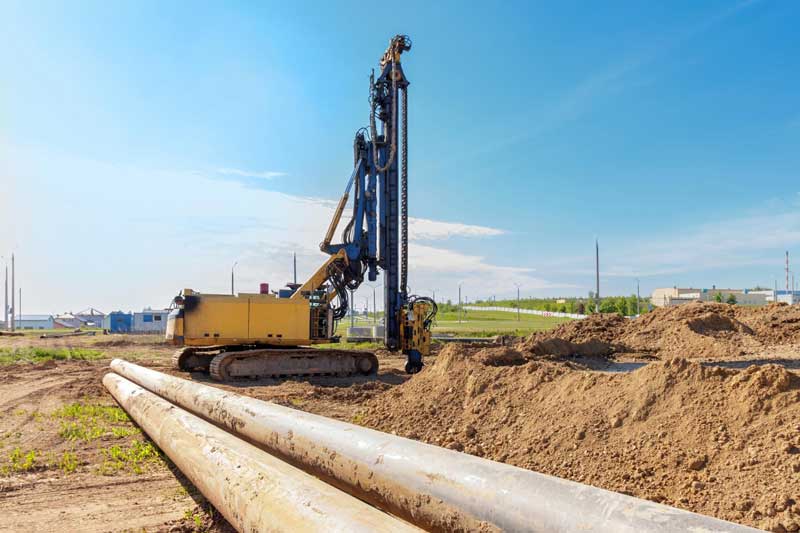
Reliable access to clean water is no longer a luxury—it is a necessity for sustainable development, modern agriculture, commercial growth, and healthy communities. In Kipkelion, where dairy farming, tea cultivation, mixed farming, institutions, residential developments, and businesses continue to expand, dependable groundwater has become one of the most valuable natural resources.
Pro-Logic Technologies Limited provides professional Smart Borehole Drilling in Kipkelion, combining hydrogeological science, modern drilling technology, intelligent pumping systems, renewable solar energy, automation, and long-term maintenance into one complete solution.
Unlike ordinary drilling contractors, we engineer complete groundwater systems that are designed for efficiency, durability, and maximum productivity. Every project is carefully planned using scientific groundwater investigation methods to increase drilling success while protecting your investment.
Our experienced engineers handle every stage of the project, including hydrogeological surveys, geophysical investigations, borehole design, drilling, casing installation, gravel packing, well development, pumping tests, laboratory water analysis, solar pumping, storage system installation, smart automation, and preventive maintenance.
Our main workshop is located at Luthuli Avenue, Kangari Building, 3rd Floor, KA7, Nairobi, and we proudly serve Kipkelion, Kericho County, and clients throughout Kenya.
Why Borehole Drilling Is Becoming Essential in Kipkelion
Population growth, commercial expansion, climate variability, and increasing agricultural demand continue to place pressure on existing water supplies. Municipal water systems are often unable to satisfy growing demand, while seasonal streams may become unreliable during prolonged dry periods.
A professionally engineered borehole provides an independent, reliable, and sustainable water source capable of supporting homes, tea estates, dairy farms, irrigation projects, hotels, hospitals, schools, churches, factories, and commercial developments.
A properly constructed borehole can operate efficiently for decades when designed, drilled, equipped, and maintained by experienced professionals.
Understanding Groundwater Before Drilling
Successful borehole drilling begins long before the drilling rig arrives on site.
Groundwater exists within underground geological formations known as aquifers. These aquifers store water inside fractures, weathered rock, volcanic deposits, and porous geological formations.
Finding groundwater requires scientific investigation rather than guesswork.
Our hydrogeologists study:
- Geological formations.
- Rock structures.
- Groundwater recharge.
- Aquifer thickness.
- Fracture systems.
- Existing borehole records.
- Topography.
- Rainfall patterns.
- Groundwater movement.
- Expected drilling depth.
This information allows us to identify locations with the highest probability of producing reliable groundwater.
Hydrogeological Survey
Every successful borehole starts with a professional hydrogeological survey.
Our specialists evaluate:
- Surface geology.
- Existing water sources.
- Drainage patterns.
- Soil characteristics.
- Rock outcrops.
- Groundwater recharge zones.
- Land use.
- Environmental conditions.
The survey provides recommendations on:
- Best drilling location.
- Estimated drilling depth.
- Expected water yield.
- Possible groundwater quality.
- Recommended drilling method.
This scientific process significantly improves drilling success while reducing unnecessary costs.
Geophysical Resistivity Survey
Where required, we perform electrical resistivity investigations.
Electrical resistivity equipment measures underground resistance to electrical current.
Different geological formations produce different resistivity values.
This enables our specialists to identify:
- Water-bearing fractures.
- Weathered rock zones.
- Dry formations.
- Fault lines.
- Aquifer thickness.
- Bedrock depth.
Using geophysical data increases drilling accuracy and minimizes the risk of unsuccessful boreholes.
Professional Borehole Design
Every borehole is individually engineered.
Factors considered include:
- Intended water demand.
- Expected abstraction rate.
- Aquifer characteristics.
- Geological formations.
- Pumping requirements.
- Future expansion.
Proper borehole design improves efficiency while extending operational life.
Modern Borehole Drilling Techniques
Our drilling engineers select the most suitable drilling technique according to local geology.
These may include:
- Down-The-Hole (DTH) hammer drilling for hard rock formations.
- Air rotary drilling for fractured volcanic formations.
- Mud rotary drilling where unconsolidated formations require additional wall support.
- Rotary percussion drilling for mixed geological conditions.
Selecting the correct drilling method improves penetration rates, borehole stability, and overall construction quality.
Borehole Casing Installation
The casing forms the structural backbone of the borehole.
High-quality casing prevents collapse, protects groundwater from contamination, and supports long-term performance.
Depending on geological conditions, we install:
- Heavy-duty PVC casing.
- Mild steel casing.
- Stainless steel casing where specialised applications require enhanced corrosion resistance.
Each material is selected according to engineering requirements and anticipated service conditions.
Borehole Screen Design
The borehole screen is one of the most critical components of the well.
An improperly designed screen can reduce water yield and allow excessive sand entry.
Our engineers determine:
- Slot opening size.
- Screen length.
- Screen position.
- Open area percentage.
This ensures maximum groundwater production while maintaining excellent water quality.
Gravel Pack Installation
Gravel packing improves filtration efficiency by preventing fine particles from entering the borehole.
Benefits include:
- Reduced sand pumping.
- Increased borehole stability.
- Improved groundwater flow.
- Enhanced pump protection.
- Longer equipment lifespan.
Correct gravel selection is essential for efficient borehole performance.
Borehole Development
Following drilling, the borehole undergoes development to remove drilling fluids, fine sediments, and construction debris.
Development techniques include:
- Air lifting.
- High-velocity jetting.
- Pump development.
- Surging.
Proper development significantly increases water yield and improves long-term borehole efficiency.
Step Drawdown Pump Test
Before commissioning, our engineers conduct a step drawdown test.
This determines:
- Pump efficiency.
- Drawdown characteristics.
- Borehole performance.
- Sustainable abstraction rates.
- Pump selection criteria.
The results help prevent over-pumping and ensure the long-term sustainability of the groundwater resource.