
Professional Car Mechanics for Engine, Gearbox, Suspension and General Vehicle Repairs
Real car mechanical repair in Nairobi requires practical automotive knowledge, accurate fault diagnosis, appropriate repair procedures, and a clear understanding of how different vehicle systems work together. A vehicle may develop engine problems, transmission faults, suspension noise, braking difficulties, overheating, excessive fuel consumption, or unusual vibrations. Identifying the actual cause of these problems is essential before replacing components or carrying out major repairs.
Pro-Logic Technologies Limited provides a business platform for presenting professional technical services to customers in Kenya. This website article focuses on the mechanical repair services vehicle owners may need when maintaining petrol cars, diesel vehicles, SUVs, vans, and light commercial vehicles in Nairobi and surrounding areas.
Vehicle owners searching for a reliable car mechanic in Nairobi often need more than a quick repair. They need a proper inspection, an explanation of the problem, suitable replacement parts, and repair work that addresses the underlying fault. Whether a vehicle has developed an engine knock, a slipping clutch, a leaking radiator, worn suspension bushes, a damaged drive shaft, or difficulty changing gears, a systematic mechanical approach helps prevent unnecessary repairs.
Comprehensive Car Mechanical Services in Nairobi
Car mechanical services cover the inspection, maintenance, adjustment, repair, and replacement of components responsible for vehicle movement, engine operation, power transmission, braking, steering, cooling, lubrication, and overall road performance.
A comprehensive mechanical inspection considers the condition of individual components and the relationship between connected systems. For example, engine overheating may result from a defective thermostat, a blocked radiator, a failed water pump, a leaking hose, a faulty cooling fan, or an internal engine problem. Replacing the radiator without confirming the cause may not resolve the original fault.
Similarly, a vehicle that struggles to accelerate may have a fuel delivery problem, restricted air intake, low compression, a transmission fault, a blocked exhaust, or an electronic engine management issue. Accurate diagnosis helps determine which system requires attention.
Professional mechanical repair may include the following services:
- Engine diagnosis, repair, and rebuilding.
- Gearbox inspection and transmission repair.
- Clutch replacement and clutch system adjustment.
- Brake pad, brake disc, and hydraulic brake repairs.
- Suspension repair and shock absorber replacement.
- Steering system inspection and repair.
- Radiator, thermostat, and cooling system repairs.
- Fuel system inspection and injector servicing.
- Timing belt and timing chain replacement.
- Engine mounting and gearbox mounting replacement.
- Drive shaft, CV joint, and wheel bearing repairs.
- Differential and drivetrain inspection.
- Oil leaks, coolant leaks, and fluid leak diagnosis.
- Preventive maintenance and scheduled vehicle servicing.
- Diesel engine mechanical diagnosis and repair.
- Petrol engine mechanical diagnosis and repair.
Each repair should be selected according to the vehicle's symptoms, inspection results, manufacturer recommendations, and the actual condition of the affected parts.
Engine Repair in Nairobi
The engine is one of the most important mechanical assemblies in a motor vehicle. It converts fuel energy into mechanical power, which is transmitted through the drivetrain to move the wheels. Engine reliability depends on correct air and fuel delivery, effective combustion, adequate lubrication, proper cooling, and accurate valve timing.
When an engine develops a fault, the symptoms may include difficult starting, rough idling, loss of power, abnormal exhaust smoke, overheating, increased fuel consumption, oil leakage, coolant loss, or unusual mechanical noise.
A professional engine inspection should begin by establishing the circumstances under which the problem occurs. The mechanic may need to determine whether the engine is difficult to start when cold, loses power under load, overheats in traffic, or produces noise during acceleration.
Engine Diagnosis and Troubleshooting
Engine diagnosis involves examining mechanical condition, operating temperatures, fluid levels, fuel delivery, ignition performance, and relevant electronic control systems.
Initial checks may include inspecting the engine oil level, coolant level, belts, hoses, visible leaks, battery connections, air intake components, and warning indicators. Depending on the symptoms, additional testing may involve a diagnostic scan, compression test, cylinder leak-down test, fuel pressure measurement, cooling system pressure test, or inspection of the valve timing system.
A diagnostic trouble code can help identify a circuit or operating condition that requires investigation. However, a code does not automatically prove that a particular component is defective. The mechanic should verify the fault through appropriate testing before recommending replacement.
For example, an engine misfire may result from a worn spark plug, a defective ignition coil, an injector problem, an air leak, low cylinder compression, or incorrect valve timing. Replacing ignition coils without testing may leave the underlying problem unresolved.
A thorough diagnosis reduces unnecessary component replacement and provides a clearer basis for repair decisions.
Engine Overhaul and Rebuilding
An engine overhaul may be required when internal wear or damage prevents the engine from operating correctly. Depending on the engine's condition, the work may involve removing the cylinder head, inspecting the pistons and cylinder walls, measuring crankshaft journals, examining connecting rod bearings, checking the oil pump, and evaluating the valve train.
Before recommending a complete overhaul, the mechanic should establish whether the fault can be corrected through a smaller repair. Some problems can be resolved by replacing an external seal, repairing the cooling system, correcting an oil supply issue, or servicing the cylinder head without rebuilding the entire engine.
During a major overhaul, measurements are essential. Cylinder bore wear, crankshaft journal dimensions, piston clearance, bearing clearance, and cylinder head flatness must be compared with the relevant manufacturer's specifications.
Depending on the findings, an overhaul may include cylinder boring or honing, crankshaft grinding where permitted, replacement of piston rings, bearing replacement, valve seat work, cylinder head resurfacing, and installation of new seals and gaskets.
The engine must then be assembled using suitable components, correct torque procedures, and the manufacturer's timing specifications. After assembly, the mechanic should verify lubrication, cooling, starting, operating temperature, and abnormal noise before returning the vehicle to normal service.
Engine Knocking and Abnormal Noise
Engine knocking can have several causes, and the location and operating conditions of the noise provide important diagnostic clues.
A deep knocking sound that increases with engine load may indicate internal bearing damage or another serious mechanical problem. A lighter ticking sound may originate from valve train components, injectors, exhaust leaks, or insufficient lubrication.
Detonation, sometimes called spark knock, is a different phenomenon associated with abnormal combustion. It may occur under acceleration because of fuel quality, excessive engine temperature, incorrect ignition timing, deposits in the combustion chamber, or other operating conditions.
The correct repair depends on identifying the type of noise rather than treating all knocking sounds as the same problem.
If a vehicle develops a sudden loud engine knock, loses oil pressure, or shows an oil pressure warning, the engine should be switched off when safe and inspected before further driving. Continued operation may cause extensive internal damage.
Excessive Oil Consumption
Engine oil consumption may increase because of worn piston rings, damaged cylinder walls, valve stem seal deterioration, a crankcase ventilation fault, a turbocharger oil leak, or external leakage.
Blue exhaust smoke may suggest that oil is entering the combustion chamber or exhaust system, although the precise cause requires inspection. Oil consumption can also occur without obvious smoke.
A suitable diagnostic procedure includes checking the engine for external leaks, reviewing the oil level over a measured distance, inspecting the crankcase ventilation system, and performing further mechanical tests where necessary.
Using thicker oil without identifying the cause is not a reliable substitute for proper diagnosis. The correct oil grade should follow the vehicle manufacturer's requirements and the engine's operating condition.
Engine Overheating Repair
Engine overheating is a serious mechanical problem that can damage the cylinder head, head gasket, pistons, and other internal components.
Common causes include coolant leakage, a faulty thermostat, a damaged radiator, a failed water pump, an inoperative cooling fan, restricted coolant passages, a defective radiator cap, or combustion gases entering the cooling system.
A mechanic should inspect the cooling system systematically. Pressure testing may reveal leaks, while temperature measurements can help identify restricted coolant circulation. The fan control circuit, thermostat operation, radiator condition, and water pump performance may also require examination.
Repeated overheating may indicate an underlying internal engine fault, particularly where coolant disappears without an obvious external leak or the cooling system becomes pressurised abnormally.
Never remove a radiator cap or pressurised coolant reservoir cap while the engine is hot. Allow the system to cool before inspection.
Gearbox Repair in Nairobi
The gearbox transfers engine power to the drivetrain while providing different gear ratios for starting, acceleration, climbing hills, and maintaining suitable engine speed during cruising.
Vehicles may use manual transmissions, conventional automatic transmissions, continuously variable transmissions (CVTs), or dual-clutch transmissions. Each type has its own operating principles, maintenance requirements, diagnostic procedures, and repair considerations.
Gearbox problems should be assessed according to the transmission design and the manufacturer's service instructions.
Manual Gearbox Problems
Manual gearbox faults may include difficulty selecting gears, grinding during gear changes, gear slipping out of position, abnormal bearing noise, oil leakage, or excessive movement of the gear lever.
Difficult gear selection does not always mean that the gearbox itself has failed. A clutch that does not disengage completely, a damaged clutch hydraulic system, worn gear linkage bushes, or an incorrectly adjusted cable may cause similar symptoms.
The mechanic should therefore inspect the clutch release mechanism, hydraulic components, linkage, gearbox oil condition, and transmission operation before recommending gearbox removal.
If internal damage is suspected, the gearbox may need to be dismantled for inspection. Possible repairs include replacing worn bearings, synchroniser assemblies, damaged gears, seals, and other defective components.
Automatic Gearbox Repair
Automatic transmission symptoms can include delayed engagement, harsh shifting, slipping, unusual noises, fluid leakage, warning lights, or failure to select certain gears.
These symptoms may arise from low or incorrect transmission fluid, hydraulic pressure problems, worn clutch packs, solenoid faults, sensor failures, valve body problems, internal mechanical damage, or electronic control issues.
Correct diagnosis may require scanning the transmission control system, reviewing fault codes, checking fluid condition, monitoring operating temperatures, and performing manufacturer-approved pressure or performance tests.
Transmission fluid must be checked using the correct procedure for the particular vehicle. Some transmissions require specific temperature conditions or electronic measurement procedures, while others have no conventional dipstick.
Using the wrong fluid can affect transmission operation and cause damage. Fluid replacement, filter servicing, adaptation procedures, and internal repairs should follow the manufacturer's requirements.
CVT and Dual-Clutch Transmission Problems
CVTs and dual-clutch transmissions require specialised diagnostic knowledge. A CVT may develop shuddering, abnormal whine, overheating, or poor acceleration because of fluid problems, belt or chain wear, pulley damage, bearing faults, or electronic control issues.
A dual-clutch transmission may experience jerking, delayed engagement, clutch wear, actuator problems, or control system faults.
The mechanic should establish the exact transmission type before choosing the fluid, diagnostic method, or repair procedure. General automatic transmission practices cannot automatically be applied to every CVT or dual-clutch unit.
Clutch Repair and Replacement
The clutch connects and disconnects the engine from a manual transmission, allowing the driver to change gears and stop the vehicle without stalling the engine.
A worn clutch may cause engine revs to increase without a corresponding increase in vehicle speed. Other symptoms include difficulty selecting gears, a burning smell, judder during take-off, abnormal pedal feel, or unusual noise when the pedal is pressed.
Clutch problems may originate from a worn friction disc, a damaged pressure plate, a defective release bearing, a faulty hydraulic master cylinder, a leaking slave cylinder, or contamination from engine or gearbox oil.
The inspection should determine whether the problem is hydraulic, mechanical, or related to clutch wear. Replacing the entire clutch assembly without checking the release system may leave the original fault unresolved.
When a clutch replacement is necessary, the mechanic should inspect the flywheel, release mechanism, input shaft seal, and related components. Dual-mass flywheels require particular attention because excessive wear or damage may affect the operation and durability of the new clutch.
After installation, the clutch system should be adjusted or bled as required. The mechanic should verify pedal operation, gear selection, engagement, and the absence of abnormal noise.
Brake System Repair in Nairobi
The braking system is essential for controlling vehicle speed and bringing the vehicle to a safe stop. Brake faults should be treated as priority safety issues because even a small mechanical defect may reduce braking performance.
Common symptoms include squealing, grinding, vibration during braking, a soft brake pedal, vehicle pulling to one side, brake fluid leakage, or a warning light.
Brake Pad and Disc Replacement
Brake pads gradually wear during normal use. When the friction material becomes too thin, braking performance may deteriorate and the metal backing plate may damage the brake disc.
Brake disc inspection should consider thickness, surface condition, runout, cracking, and the manufacturer's service limits. A disc should not be reused or machined beyond its permitted minimum thickness.
Replacing brake pads may also require inspecting caliper movement, slide pins, dust boots, hoses, and the condition of the braking surfaces. If one brake is dragging, the cause may be a seized caliper, restricted hose, or another hydraulic or mechanical fault.
Brake components should be replaced in accordance with the vehicle's requirements, with appropriate attention to axle pairing and compatible friction materials.
Brake Fluid and Hydraulic Repairs
The hydraulic brake system uses fluid pressure to transfer pedal force to the wheel brakes. Leaks, air in the system, deteriorated hoses, damaged seals, or master cylinder failure can reduce braking effectiveness.
A soft or sinking brake pedal requires immediate attention. The mechanic should inspect for leaks, assess the master cylinder, and determine whether air has entered the hydraulic system.
Brake fluid absorbs moisture over time, which can lower its boiling point and contribute to corrosion. The specified fluid type and replacement procedure should follow the vehicle manufacturer's guidance.
A vehicle with significantly reduced braking performance should not be driven to a workshop. Arrange appropriate recovery or towing.
Suspension Repair and Shock Absorber Replacement
The suspension system helps maintain tyre contact with the road, controls body movement, and contributes to steering stability and passenger comfort.
Suspension components include shock absorbers or struts, springs, control arms, ball joints, bushes, stabiliser links, and associated mounting hardware. Their design varies by vehicle.
Symptoms of suspension problems include knocking over bumps, excessive body movement, uneven tyre wear, unstable cornering, vibration, or changes in ride height.
Shock Absorber and Strut Repairs
Worn shock absorbers may allow excessive bouncing, increase body movement during braking, and reduce the vehicle's ability to maintain stable tyre contact on uneven roads.
Inspection should consider oil leakage, physical damage, mounting condition, tyre wear, and vehicle handling. Not every shock absorber with a trace of surface moisture is necessarily defective, so findings should be assessed carefully.
When replacement is required, the mechanic should use compatible parts and follow the specified tightening procedures. Many manufacturers recommend replacing shock absorbers in pairs across the same axle to maintain balanced damping.
Ball Joints, Bushes and Control Arms
Ball joints allow controlled movement between suspension and steering components. Excessive wear may cause knocking, steering instability, and abnormal tyre wear.
Suspension bushes absorb vibration and allow controlled movement. When they deteriorate, the vehicle may produce clunks during acceleration or braking, and wheel alignment may change under load.
The mechanic should inspect joints and bushes using the appropriate method for their design. Some components are replaced individually, while others require replacing an entire control arm assembly.
Any suspension component that has excessive play or structural damage must be repaired before the vehicle returns to normal road use.
Steering System Repair
The steering system enables the driver to control the vehicle's direction. Depending on the design, it may use hydraulic power assistance, electric power steering, or a combination of mechanical and electronic components.
Common symptoms include heavy steering, excessive free play, vibration, unusual noise when turning, steering warning lights, or fluid leakage in hydraulic systems.
Potential causes include worn steering rack components, damaged tie rods, worn ball joints, incorrect tyre pressure, wheel alignment problems, power steering pump faults, hydraulic leakage, or electric power steering system defects.
The mechanic should check tyre condition and pressure, steering linkage, suspension joints, mounting points, and power assistance operation before recommending major component replacement.
Electric power steering faults may require electronic diagnostic equipment and checks of the motor, torque sensor, wiring, power supply, and control module.
After steering or suspension repairs that affect wheel geometry, a suitable wheel alignment check should be performed.
Cooling System Repair and Radiator Servicing
The engine cooling system maintains an operating temperature suitable for efficient combustion, lubrication, and component durability.
Important components include the radiator, coolant pump, thermostat, cooling fan, hoses, expansion tank, pressure cap, and internal engine coolant passages.
Coolant loss, temperature fluctuations, steam, a sweet coolant smell, or overheating may indicate a cooling system problem.
A mechanic may perform a pressure test, inspect the radiator for restrictions, verify thermostat operation, test the cooling fan, and examine hoses and clamps. Further tests may be necessary if internal engine leakage is suspected.
Coolant should meet the manufacturer's specification. Mixing incompatible coolant types or relying on plain water for routine long-term use can contribute to corrosion, deposits, or inadequate protection.
The system should be filled and bled according to the vehicle's design. Some engines contain air pockets that require a specific filling procedure to avoid overheating after servicing.
Fuel System Repair
The fuel system supplies the engine with the correct quantity of fuel at the required pressure. Petrol and diesel engines use different fuel delivery and combustion systems, so diagnosis must reflect the vehicle's design.
Fuel-related problems may cause hard starting, hesitation, poor acceleration, stalling, rough running, or increased fuel consumption.
Possible causes include a restricted fuel filter, weak fuel pump, leaking injector, faulty pressure regulator, contaminated fuel, damaged fuel lines, or an electronic control problem.
Fuel system testing should use suitable equipment and the manufacturer's pressure specifications. High-pressure diesel common-rail systems require particular care because the fuel pressure can be dangerous.
Fuel leaks must be addressed promptly. Work involving fuel lines, injectors, or high-pressure components should be carried out using appropriate safety procedures.
Diesel Engine Mechanical Repair
Diesel engines are widely used in SUVs, pickups, vans, commercial vehicles, and other applications because of their operating characteristics and torque delivery.
Diesel engine problems may include difficult starting, excessive smoke, loss of power, rough running, fuel leakage, turbocharger faults, or abnormal mechanical noise.
Diagnosis may involve checking compression, fuel delivery, injector performance, glow plugs where fitted, air intake restrictions, turbocharger operation, and exhaust after-treatment systems.
Black smoke may indicate excessive fuelling, insufficient air supply, or other combustion problems. Blue smoke may suggest oil entering the combustion or exhaust system. White smoke can have several causes, including unburned fuel during cold operation or coolant entering the combustion chamber. Smoke colour alone is not sufficient to establish a final diagnosis.
Modern diesel vehicles may include a diesel particulate filter, exhaust gas recirculation system, selective catalytic reduction system, and electronic engine controls. These systems require suitable diagnostic procedures and lawful repairs rather than indiscriminate removal or disabling.
Petrol Engine Repair
Petrol engines require a suitable air-fuel mixture, correct ignition timing, adequate compression, and reliable fuel delivery.
Common problems include misfiring, poor acceleration, difficult starting, rough idling, overheating, and increased fuel consumption.
Depending on the symptoms, the mechanic may inspect spark plugs, ignition coils, injectors, throttle body operation, intake leaks, oxygen sensors, compression, and valve timing.
A petrol engine that cranks but fails to start may have a fuel supply problem, ignition failure, low compression, incorrect timing, or an electronic control fault.
Diagnosis should follow a logical sequence rather than replacing several components based on symptoms alone.
Timing Belt and Timing Chain Replacement
The timing system synchronises crankshaft and camshaft movement so that the valves operate at the correct point in the engine cycle.
Some engines use a timing belt, while others use a timing chain. Both systems have specific inspection and replacement requirements.
A worn belt may crack, deteriorate, lose teeth, or fail. A stretched chain, worn guide, or defective tensioner may produce rattling, incorrect timing, or warning codes.
On interference engines, timing belt or chain failure can cause valves to contact pistons, resulting in extensive engine damage.
Replacement intervals should follow the manufacturer's schedule and may depend on mileage, age, operating conditions, and engine design. During service, the mechanic should inspect related components such as tensioners, guides, idlers, and water pumps where applicable.
Correct timing marks, locking tools, tensioning procedures, and post-installation checks are essential.
Engine Mounting and Gearbox Mounting Replacement
Engine and gearbox mounts support the powertrain while reducing the transmission of vibration to the vehicle body.
Damaged mounts may cause excessive engine movement, vibration at idle, clunking during acceleration, or movement when selecting drive or reverse.
A mount should be inspected for torn rubber, collapsed sections, fluid leakage in hydraulic designs, and damaged brackets.
Other faults can produce similar symptoms, including misfiring, exhaust contact, loose components, or drivetrain wear. The mechanic should establish the source before replacing the mounts.
Replacement requires suitable support for the engine or transmission and correct tightening procedures. Incorrect installation can introduce additional vibration or place stress on nearby components.
Drive Shaft, CV Joint and Wheel Bearing Repair
Drive shafts transmit torque from the transmission or differential to the wheels. Constant-velocity joints allow power transmission while accommodating steering angle and suspension movement.
A clicking sound during tight turns may indicate a worn outer CV joint. Vibration under acceleration may originate from a damaged inner joint, a bent shaft, worn mounting components, or another drivetrain fault.
Inspection should include CV boots, grease leakage, joint play, shaft condition, and mounting hardware.
Wheel bearings support rotating wheel assemblies. A worn bearing may produce a humming or growling sound that changes with vehicle speed or cornering. Excessive bearing play can also affect handling and braking.
Because tyre noise and other rotating components can produce similar sounds, the diagnosis should confirm the source before parts are replaced.
Damaged wheel bearings and drivetrain joints should be repaired promptly to protect vehicle safety and prevent additional damage.
Differential and Drivetrain Repair
The differential allows driven wheels to rotate at different speeds during turns while transmitting engine torque. Depending on the vehicle, it may be located in an axle assembly, integrated into a transaxle, or incorporated into a four-wheel-drive drivetrain.
Differential faults may cause whining, clunking, vibration, oil leakage, or abnormal tyre wear.
The mechanic should inspect lubricant level and condition, seals, mounting points, bearings, gears, and drivetrain joints as appropriate.
Vehicles with four-wheel drive may also have a transfer case, additional propeller shafts, and front or rear differentials. These components require the correct lubricants and service procedures.
Noise should be assessed under different operating conditions to distinguish differential wear from wheel bearings, tyres, transmission faults, or propeller shaft problems.
General Car Servicing in Nairobi
Routine servicing helps maintain vehicle reliability and identify developing faults before they lead to expensive breakdowns.
The appropriate service schedule depends on the vehicle model, engine type, age, mileage, operating conditions, and manufacturer recommendations. Vehicles used in heavy traffic, dusty environments, frequent short trips, or demanding commercial work may require particular attention to certain maintenance items.
A general service may include engine oil replacement, oil filter replacement, inspection of air and cabin filters, fluid checks, belt inspection, battery assessment, tyre inspection, brake inspection, and examination of visible leaks.
Additional work may include spark plug replacement, fuel filter replacement, transmission servicing, coolant replacement, or other scheduled maintenance where required.
A proper service is not simply an oil change. It should include an appropriate inspection of safety-related components and a record of any faults that need further attention.
Why Preventive Maintenance Matters
Preventive maintenance helps reduce avoidable wear and provides an opportunity to identify leaks, deteriorating hoses, worn brake pads, damaged suspension parts, and other developing problems.
Engine oil protects moving components by reducing friction and helping control heat and contaminants. The correct oil specification and replacement interval are essential.
Air filters help prevent dust and debris from entering the engine. Coolant protects against overheating, freezing where applicable, and corrosion. Brake fluid transfers hydraulic pressure and requires maintenance according to the specified procedure.
Tyre pressure, tread condition, wheel alignment, and suspension condition also influence handling, braking, fuel consumption, and tyre life.
Vehicle owners should keep servicing records and address warning lights or unusual mechanical symptoms promptly.
Car Mechanical Repair Across Nairobi
Vehicle owners in Nairobi use different types of roads and face varying operating conditions. Congested traffic can increase the time engines spend idling, while rough road surfaces and potholes can accelerate wear in suspension and steering components.
A vehicle that is regularly driven through heavy traffic may need careful monitoring of its cooling system, brakes, clutch, and engine operating temperature. Vehicles frequently used on uneven roads may require more frequent suspension, tyre, and wheel inspection.
Mechanical repair services may be relevant to motorists in Nairobi CBD, Industrial Area, Westlands, Parklands, Kilimani, Lavington, Kileleshwa, South B, South C, Lang'ata, Karen, Kasarani, Roysambu, Ruaraka, Embakasi, Donholm, Umoja, Buruburu, Komarock, and other parts of the county.
Customers travelling from Kiambu, Thika, Ruiru, Kikuyu, Ongata Rongai, Ngong, and nearby areas should confirm workshop location, service availability, and whether vehicle recovery can be arranged before travelling.
The correct repair approach remains the same regardless of location: inspect the vehicle, identify the fault, establish the appropriate repair method, and verify the result.
Choosing a Car Mechanic in Nairobi
Selecting a mechanic requires more than comparing the initial quotation. Vehicle owners should consider diagnostic capability, practical experience, suitable tools, repair transparency, parts quality, and the ability to explain the proposed work.
A reliable repair process should include an initial assessment, a discussion of symptoms, appropriate testing, a clear quotation, and approval before additional work is undertaken.
For major repairs, customers should ask which components need replacement and why. They should also clarify whether parts are new, refurbished, or used, and whether labour or parts warranties apply.
A mechanic should not promise that every fault can be diagnosed from a short description or a warning light alone. Complex faults may require further testing or specialist equipment.
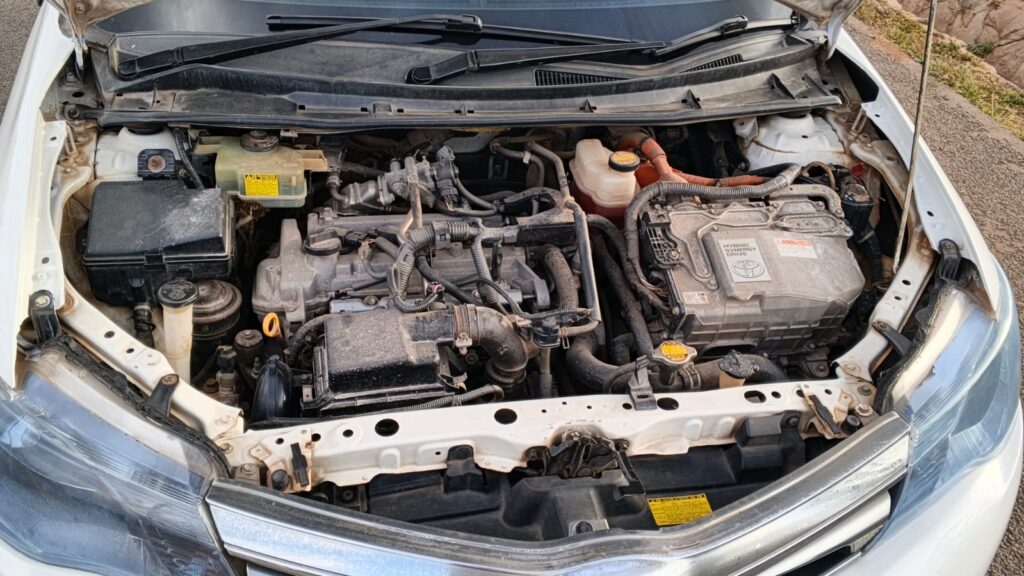
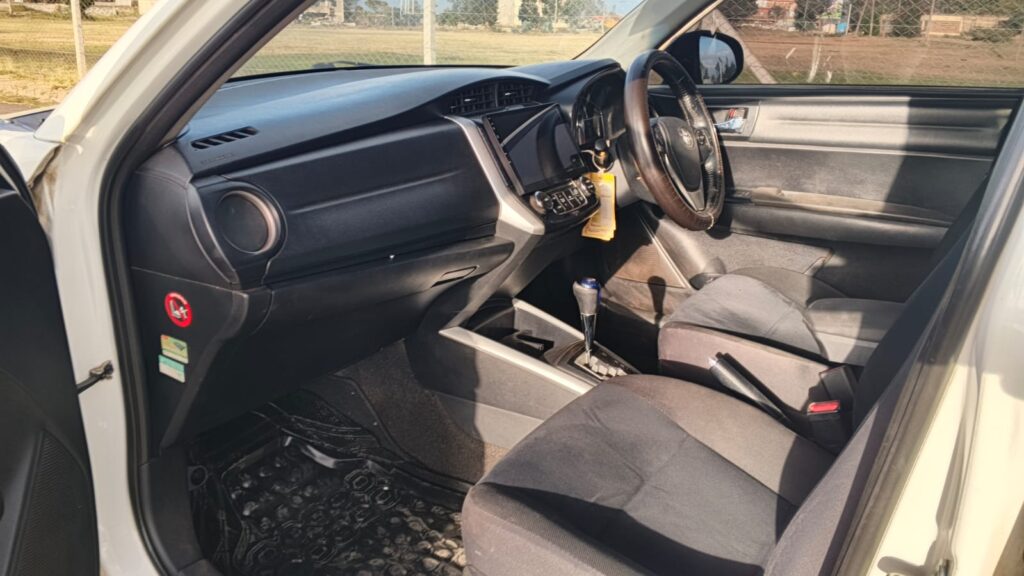
After the repair, the vehicle should undergo suitable operational checks. Depending on the work performed, these may include leak inspections, diagnostic scans, brake checks, steering checks, temperature monitoring, or a controlled road test where safe and appropriate.
Conclusion
Real car mechanical repair in Nairobi involves a broad range of services, from routine maintenance and minor mechanical repairs to engine rebuilding, gearbox repairs, suspension work, braking system repairs, and drivetrain diagnosis.
Accurate diagnosis is the foundation of effective repair. Replacing components without confirming the cause of a fault can waste money and leave the vehicle unreliable. By maintaining service records, responding promptly to warning signs, and using appropriate repair procedures, vehicle owners can improve reliability and reduce the risk of avoidable breakdowns.
For website enquiries about technical services, contact Pro-Logic Technologies Limited using the business contact details provided on the website. Confirm the availability of automotive mechanical services before arranging a vehicle inspection.
Website: prologictecnologies.co.ke
Email: info@prologictechnologies.co.ke
Alternative email: logicepro06@gmail.com
Telephone: 0723763173
The automotive service information in this article is general guidance. Specific repairs and maintenance procedures should follow the vehicle manufacturer's specifications and be performed by appropriately qualified personnel.