
Borehole Drilling in Kenya: Complete Guide to Planning, Approvals, Costs, Pumps and Water Systems
A borehole can transform (call 0723763173)
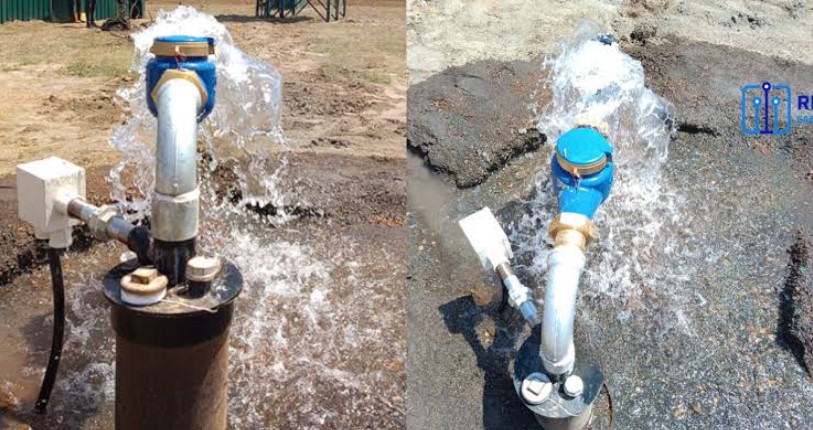
the way a property obtains and manages water. For a homeowner, it can provide an alternative source for domestic supply. For a farmer, it can support irrigation or livestock. For a property developer, it can become part of the infrastructure serving several buildings. For a school, hotel, institution or commercial enterprise, groundwater can form an important component of the site's overall water strategy.
But drilling a borehole is not simply a matter of hiring a drilling rig and making a hole in the ground.
There is planning before drilling.
There are technical investigations.
There are regulatory requirements.
There is the actual drilling operation.
There is borehole construction.
There is development and testing.
There is water-quality analysis.
Then there is the equipment required to bring the water to the surface and distribute it around the property.
That equipment may include a submersible pump, rising main, electrical controls, solar equipment, storage tanks, filtration, treatment systems, pressure boosters and plumbing.
Consequently, anyone researching borehole drilling in Kenya requirements and cost should look at the entire project rather than focusing on the drilling price alone.
This guide explains the major considerations involved in developing a borehole in Kenya, how costs are formed, what affects the final price, what documents and technical information may be required, how pumping systems are selected, how water is tested, and how a completed borehole can be connected to a useful water-distribution system.
For borehole, pumping, solar-water and plumbing enquiries, contact Pro-Logic Technologies Limited on 0723 763 173.
What Is a Borehole?
A borehole is a drilled opening into the ground designed to access groundwater from suitable geological formations.
Unlike a shallow hand-dug well, a properly constructed borehole is engineered to penetrate deeper geological formations and provide a controlled point from which groundwater can be pumped.
The completed installation normally includes more than the drilled opening.
A typical system can consist of:
Groundwater formation
→
Borehole
→
Casing and screens
→
Submersible pump
→
Rising pipe
→
Control equipment
→
Storage tank
→
Treatment
→
Distribution plumbing
The actual arrangement varies from property to property.
Why Drill a Borehole in Kenya?
People develop boreholes for different reasons.
Some want greater control over their water supply.
Others need water for agriculture.
Some properties have limited access to piped water.
Commercial developments may need an additional source.
Large compounds may have high consumption.
A farm may require irrigation.
A school may need water for sanitation.
A hotel may require substantial daily supply.
A borehole can therefore serve many purposes.
However, the suitability of groundwater must be established before major investment is made.
Borehole Drilling Is a Site-Specific Project
There is no single borehole design that can be copied across the whole country.
Kenya has diverse geological environments.
Groundwater conditions can differ between counties, towns, neighbourhoods and individual properties.
Two properties relatively close to each other may encounter different formations.
They may also experience different:
- Water levels
- Aquifer characteristics
- Water quality
- Borehole yields
- Drilling conditions
For this reason, professional groundwater investigation is important.
The First Question: What Will the Water Be Used For?
Before discussing drilling depth or pump size, establish the purpose of the borehole.
A domestic borehole has one set of requirements.
An irrigation borehole has another.
An industrial installation may require a completely different water-quality specification.
Potential applications include:
- Domestic supply
- Irrigation
- Livestock
- Schools
- Hospitals
- Hotels
- Apartments
- Offices
- Factories
- Construction
- Commercial premises
- Institutions
- Landscaping
- Community water projects
The intended use determines many later design decisions.
Estimating Water Demand
Water demand is one of the most important starting points.
For a home, consider:
- Number of occupants
- Bathrooms
- Kitchen
- Laundry
- Garden
- Outdoor taps
- Other water uses
For an apartment building, consider:
- Number of units
- Expected occupancy
- Common facilities
- Cleaning
- Landscaping
For a farm, consider:
- Crop area
- Irrigation method
- Livestock numbers
- Domestic consumption
- Seasonal requirements
For commercial facilities, consider:
- Staff
- Customers
- Production
- Cleaning
- Sanitation
- Landscaping
Average Demand Versus Peak Demand
A water system should not be designed around average consumption alone.
A building may consume relatively little water overnight but considerably more during morning hours.
A hotel may have high demand when guests are showering.
An apartment complex may experience simultaneous demand from many households.
A farm may require substantial irrigation during specific periods.
Peak demand influences:
- Pump selection
- Tank size
- Pipe diameter
- Pressure systems
Water Storage as a Demand Buffer
A borehole does not necessarily have to pump at exactly the same rate that water is being consumed.
Storage allows the two activities to be separated.
For example:
The borehole pump can fill a tank during the day.
Residents can use the stored water throughout the day and evening.
The tank then provides a buffer.
This arrangement can be particularly useful for solar-powered boreholes.
Where Does Groundwater Come From?
Rainfall and other sources of water infiltrate the ground in suitable areas.
Some water moves downward through soil and geological formations.
It can eventually accumulate within formations capable of storing and transmitting groundwater.
These formations are commonly referred to as aquifers.
Groundwater movement depends on geology, permeability, fractures, recharge and other hydrogeological factors.
What Is an Aquifer?
An aquifer is a geological formation or group of formations capable of storing and transmitting groundwater in quantities that can be useful under suitable conditions.
Not every underground layer is an aquifer.
Some materials store water but transmit it slowly.
Others can transmit substantial amounts through pores or fractures.
Understanding these conditions is one of the purposes of groundwater investigation.
Groundwater Investigation Before Drilling
A professional borehole project normally begins with an investigation.
The purpose is to determine where drilling may have the best technical prospects.
The investigation can consider:
- Geological information
- Existing borehole records
- Topography
- Drainage
- Groundwater occurrence
- Geological structures
- Geophysical measurements
The final drilling point should be selected from the available evidence.
Hydrogeological Survey
Hydrogeology is the study of groundwater and its interaction with geological formations.
A hydrogeological assessment can help determine:
- Groundwater occurrence
- Potential aquifer zones
- Existing groundwater information
- Possible recharge conditions
- Water-quality considerations
- Potential drilling targets
A survey improves decision-making but does not create a guarantee of water.
Geophysical Survey
Geophysical investigation is often used as part of groundwater exploration.
Electrical resistivity methods are among the techniques that can be applied.
The equipment measures electrical properties of the subsurface.
The resulting data can be interpreted to identify formations or zones that may warrant further consideration.
The interpretation should be done together with geological and hydrogeological information.
Can a Survey Guarantee Water?
No responsible groundwater professional should treat a survey as a guarantee of a particular borehole yield.
Subsurface conditions are naturally uncertain.
Geophysical data can improve the probability of selecting an appropriate drilling point, but the actual conditions are confirmed through drilling.
Why Nearby Boreholes Are Useful but Not Definitive
Existing boreholes can provide useful information.
Their records may show:
- Drilling depth
- Geological formations
- Water levels
- Pumping rates
- Water quality
However, one nearby borehole should not be treated as an exact template for another property.
Groundwater conditions can change over relatively short distances.
Choosing a Borehole Location
The drilling point should be selected using both underground and surface information.
Consider:
- Groundwater prospects
- Property boundaries
- Existing buildings
- Septic systems
- Drainage
- Roads
- Electrical infrastructure
- Rig access
- Future construction
The best point is not necessarily the closest point to the building.
Borehole Location and Contamination
Potential contamination sources should be considered carefully.
These can include:
- Septic systems
- Latrines
- Waste storage
- Fuel storage
- Chemical storage
- Drainage channels
- Animal waste
Applicable technical requirements should determine appropriate separation distances and protection measures.
Borehole Location on Small Urban Plots
Small urban plots can present additional challenges.
There may be limited space for:
- Drilling rig
- Mud management
- Equipment
- Materials
- Pipework
The access route also matters.
A site may appear large enough from a property map but be difficult to access with drilling equipment.
Borehole Access Requirements
Before scheduling drilling, assess:
- Road width
- Gate width
- Turning area
- Ground stability
- Slopes
- Overhead wires
- Nearby buildings
Good preparation reduces unnecessary delays.
Regulatory Requirements for Boreholes in Kenya
Borehole development in Kenya involves regulatory considerations.
Water-resource development should be planned in accordance with the applicable requirements of the relevant authorities, including the Water Resources Authority where applicable.
Requirements can depend on the type and location of the project.
The current approval process and documentation should be confirmed before drilling.
Why Approvals Matter
Regulatory procedures are intended to support responsible water-resource development.
They can help address issues such as:
- Groundwater abstraction
- Resource protection
- Environmental considerations
- Borehole records
- Water-resource management
A contractor should not encourage a customer to ignore applicable requirements merely to start drilling faster.
Borehole Drilling Permit and Approvals
The exact documentation required depends on the project.
A customer should ask the contractor to explain:
- What approvals are required
- Who obtains them
- What documents are needed
- Which costs are included
- Which authority handles each stage
This prevents confusion over the project budget.
Environmental Considerations
A groundwater project should consider the surrounding environment.
Responsible development includes:
- Proper waste handling
- Protecting drainage
- Preventing contamination
- Managing drilling materials
- Avoiding unnecessary environmental disturbance
The requirements can vary according to the location and project.
Borehole Drilling Rig
The drilling rig is the primary machine used to create the borehole.
The choice of rig and drilling method depends on:
- Geological conditions
- Expected depth
- Borehole diameter
- Site access
- Ground stability
- Construction requirements
The contractor should select equipment appropriate to the project.
Different Ground Conditions
Drilling through clay is different from drilling through hard rock.
Loose formations can require different stabilization techniques.
Fractured rock may behave differently from massive rock.
These differences affect:
- Drilling speed
- Equipment
- Borehole stability
- Casing
- Construction
Drilling Speed
Customers often ask how quickly a borehole can be drilled.
There is no universal drilling duration.
The time can depend on:
- Geological formations
- Borehole depth
- Drilling method
- Equipment
- Site conditions
- Casing requirements
Fast drilling through easy formations does not mean every borehole can be completed at the same rate.
What Happens During Drilling?
As the rig advances, material from the borehole is brought to the surface.
The drilling team can observe and record the geological sequence.
They may note:
- Soil
- Clay
- Sand
- Gravel
- Weathered rock
- Hard rock
- Fractured zones
- Water-bearing intervals
This information contributes to the construction design.
Geological Logging
A geological log provides a record of what was encountered during drilling.
It can help establish:
- Formation changes
- Potential aquifer zones
- Casing requirements
- Screen placement
- Borehole construction details
Documentation is an important part of professional drilling.
Water Strikes
A water strike occurs when drilling encounters a water-bearing zone.
Several water-bearing zones may be encountered.
However, the presence of water does not automatically establish the final production rate.
The borehole needs to be tested.
Why Borehole Depth Cannot Be Predicted Exactly
Customers frequently search for terms such as:
“How many metres is a borehole in Kenya?”
There is no national standard depth that applies to every property.
The required depth depends on local geology and groundwater conditions.
A contractor who promises an identical depth for every site is ignoring the site-specific nature of groundwater.
Drilling Deeper Does Not Automatically Mean More Water
Depth alone does not determine yield.
A deeper borehole may encounter formations with limited productivity.
A shallower borehole may encounter a productive formation.
The objective is to reach and properly construct suitable groundwater-bearing formations.
Borehole Diameter
Borehole diameter affects construction and pump selection.
The diameter needs to accommodate:
- Casing
- Screens
- Gravel pack
- Pump
- Rising main
It should be selected according to the project design.
Borehole Casing
Casing helps support the borehole wall and forms part of the completed structure.
Its specification should reflect:
- Geological conditions
- Borehole diameter
- Depth
- Screen design
- Pump requirements
Borehole Screens
Screens allow groundwater to enter the borehole from selected formations.
They should be positioned based on the geological information obtained during drilling.
Screen Aperture
The screen opening should be selected according to the formation and gravel-pack design.
The objective is to allow water entry while limiting excessive movement of formation particles.
Gravel Pack
A gravel pack may be installed around screened intervals where required.
It can assist with retaining formation material and supporting effective water entry.
The correct specification depends on the formation characteristics.
Borehole Sealing
The upper portion of the borehole should be protected from inappropriate entry of surface water.
Proper sealing is part of protecting the water source.
Borehole Headworks
The completed borehole head should be protected and arranged so that:
- Surface water is controlled
- Contamination risks are reduced
- The pump can be serviced
- Plumbing can be connected
- Electrical systems can be safely installed
Borehole Development
After drilling and construction, the borehole should be developed.
Development helps remove:
- Fine particles
- Drilling residues
- Loose sediment
- Other materials introduced during construction
The goal is to establish a cleaner and more productive hydraulic connection with the surrounding formation.
Methods of Borehole Development
Depending on the construction and geology, development may use appropriate techniques involving controlled agitation, airlifting, pumping or other methods.
The method should be selected by the technical team.
Why Development Should Not Be Skipped
A poorly developed borehole can experience:
- Turbid water
- Sand production
- Reduced efficiency
- Screen blockage
- Pump problems
Development prepares the borehole for meaningful testing.
Borehole Pump Test
A pumping test examines how the completed borehole behaves when water is extracted.
It can provide information about:
- Pumping rate
- Static water level
- Dynamic water level
- Drawdown
- Recovery
These results are important for system design.
Static Water Level
The static water level is the groundwater level before pumping after adequate recovery.
It provides a useful baseline.
Dynamic Water Level
The dynamic water level is measured during pumping.
It shows how the groundwater level responds to abstraction.
Drawdown
Drawdown is the difference between the static and pumping water levels under specified conditions.
It helps indicate the effect of pumping on the groundwater level.
Recovery Test
After pumping stops, the water level can be monitored as it recovers.
The recovery pattern provides additional information about the borehole and groundwater system.
Borehole Yield
Yield refers to the amount of water a borehole can produce under defined conditions.
It should be interpreted together with pumping-test information.
A short-term maximum flow is not automatically a suitable permanent operating rate.
Sustainable Abstraction
A borehole should be operated according to conditions that are appropriate for its tested performance and regulatory requirements.
Over-pumping can cause problems.
These can include:
- Excessive drawdown
- Pump exposure to low water
- Increased energy consumption
- Reduced reliability
Water Quality Testing
The next major question after quantity is quality.
Groundwater can contain naturally occurring minerals and other substances.
It can also be affected by contamination.
Laboratory analysis provides information that cannot be obtained simply by looking at the water.
Physical Water Parameters
Depending on the analysis, physical parameters may include:
- Colour
- Turbidity
- Odour
- Conductivity
- Temperature
- Total dissolved solids
The specific laboratory panel depends on the intended use.
Chemical Water Parameters
Potential chemical parameters include:
- pH
- Hardness
- Iron
- Manganese
- Chloride
- Fluoride
- Nitrate
- Sulphate
- Other dissolved substances
The required analysis should be selected appropriately.
Microbiological Testing
Where water is intended for drinking or other sensitive applications, microbiological analysis is important.
The laboratory can test for relevant microorganisms.
Why Borehole Water Should Be Tested Before Drinking
Clear water is not necessarily safe water.
Some contaminants are invisible.
Others cannot be identified by taste.
Testing provides evidence for deciding whether treatment is required.
Borehole Water Treatment
Treatment should be designed around the water-quality results.
Possible systems include:
- Sediment filtration
- Activated carbon
- Iron removal
- Manganese removal
- Water softening
- Disinfection
- Reverse osmosis
- Specialized treatment
Not every borehole requires every type of treatment.
Sediment Filters
Sediment filtration can remove suspended particles.
The appropriate filter depends on the water characteristics and required flow.
Iron Treatment
Elevated iron can cause:
- Staining
- Metallic taste
- Deposits
- Discolouration
Treatment should be selected based on the measured concentration.
Manganese Treatment
Manganese can also cause staining and taste issues at elevated concentrations.
A suitable treatment system should be selected according to the laboratory results.
Hard Water Treatment
Hardness can produce scale on:
- Taps
- Pipes
- Water heaters
- Appliances
A water softener can be considered where hardness warrants treatment.
Fluoride Considerations
Some groundwater sources can contain elevated fluoride.
Where laboratory analysis identifies a problem, appropriate treatment can be investigated.
Salinity and Total Dissolved Solids
Elevated dissolved salts can affect taste and suitability for certain applications.
Specialized treatment may be necessary in some circumstances.
Reverse Osmosis
Reverse osmosis can reduce a range of dissolved substances.
However, it should not be installed simply because a borehole is being developed.
It should be justified by the water analysis and intended application.
Borehole Pump Selection
Once the borehole has been tested, pump selection becomes much more meaningful.
The pump needs to account for:
- Required flow
- Dynamic water level
- Borehole depth
- Delivery height
- Pipe length
- Pipe diameter
- Storage
- Energy source
Total Dynamic Head
Total dynamic head represents the combined pressure requirement associated with lifting and delivering water through the system.
It can include:
- Vertical lift
- Pressure requirements
- Friction losses
- Other system losses
Correct head calculations are essential for pump selection.
Why Pump Size Matters
A pump that is too large may:
- Consume excessive energy
- Cause unnecessary drawdown
- Operate inefficiently
- Increase wear
A pump that is too small may:
- Deliver insufficient flow
- Take too long to fill tanks
- Fail to meet peak demand
Correct sizing is the objective.
Submersible Borehole Pumps
Submersible pumps are installed below the water level.
They push water through the rising main toward the surface.
They are widely used for borehole applications.
Pump Installation Depth
The pump should be installed at an appropriate position based on:
- Borehole construction
- Water level
- Pump characteristics
- Test results
- Required operating conditions
It should not simply be placed at an arbitrary depth.
Rising Main
The rising main carries water from the submersible pump to the surface.
The pipe must be capable of handling the pressure and operating conditions.
Borehole Pump Cable
The pump cable connects the submersible motor to the power system.
Cable selection should account for:
- Voltage
- Current
- Pump power
- Cable length
- Voltage drop
- Installation conditions
Control Panel
A borehole pump control panel can provide:
- Switching
- Overload protection
- Short-circuit protection
- Level controls
- Manual operation
- Automatic operation
- Fault indication
The design varies by installation.
Electrical Protection
A borehole pump should have appropriate electrical protection.
Possible considerations include:
- Overload
- Short circuit
- Voltage variation
- Phase faults where applicable
- Earthing
Solar Borehole Pumping
Solar pumping can provide an alternative energy source.
A typical solar pumping system includes:
Solar panels
→
Solar pump controller
→
Submersible pump
→
Storage tank
The actual design depends on water demand and pumping head.
Why Solar Borehole Systems Need Proper Sizing
A solar system should be calculated around the pump and daily water requirement.
Important factors include:
- Pump power
- Pumping head
- Required daily volume
- Solar availability
- Storage
- Seasonal variation
Solar Pumping and Batteries
Not every solar borehole system requires batteries.
Where water storage is available, the system can often use solar energy to pump water during suitable daylight periods and store the water for later use.
Battery systems can be considered where continuous electrical availability is specifically required.
Solar Borehole Pump Controller
The controller manages the relationship between the solar array and pump.
Depending on the equipment, it can provide:
- Pump control
- Dry-run protection
- Fault detection
- Speed control
- System monitoring
Solar Panel Installation
Solar panels should be positioned to receive suitable sunlight.
The installation should consider:
- Shading
- Structural support
- Security
- Cable routing
- Maintenance access
Borehole Pumping With Grid Electricity
Where grid power is available, an electric pump can be used.
The installation should include appropriate electrical protection and control.
Generator Backup
A generator can provide backup power where reliability is important.
The generator should be appropriately sized for the pump and starting requirements.
Hybrid Borehole Power
A hybrid system can combine:
- Solar
- Grid
- Generator
This can provide greater flexibility.
Water Storage Tanks
Storage is one of the most important components after pumping.
A tank can:
- Store water
- Balance demand
- Reduce pump cycling
- Support solar pumping
- Provide reserve capacity
How to Choose Tank Capacity
Tank capacity should be based on:
- Daily demand
- Borehole yield
- Pumping hours
- Peak demand
- Irrigation
- Backup requirements
Elevated Water Tanks
An elevated tank can supply gravity pressure.
The pressure depends on the difference in elevation between the water level and the point of use.
Ground-Level Storage
Ground-level tanks can be combined with booster pumps.
This can be useful where the property cannot support an elevated tank.
Underground Storage
Some properties may use underground storage.
The design should consider:
- Structural integrity
- Access
- Cleaning
- Drainage
- Pumping arrangement
Water Distribution
The final stage is getting water to where it is needed.
Distribution may serve:
- House
- Apartments
- Farm
- Hotel
- School
- Offices
- Irrigation
- Livestock
Borehole Plumbing
A complete plumbing system can include:
- Main pipe
- Branch pipes
- Valves
- Filters
- Pressure controls
- Water meters
- Storage connections
- Outdoor taps
Plumbing From Borehole to Tank
The pipe from the borehole to the tank should be selected according to:
- Pump flow
- Distance
- Pressure
- Elevation
- Pipe material
Plumbing From Tank to Building
Water can flow by gravity where the tank is adequately elevated.
Otherwise, a booster system can be used.
Booster Pump Systems
A booster pump can improve pressure.
It can be useful in:
- Apartments
- Multi-storey buildings
- Hotels
- Large compounds
- Long-distance distribution systems
Water Pressure
Pressure depends on:
- Tank height
- Pump
- Pipe diameter
- Pipe length
- Elevation
- Flow
A system should be designed to provide appropriate pressure without excessive pressure.
Pipe Sizing
Small pipes can create significant friction losses.
Oversized pipes can increase installation cost unnecessarily.
Pipe selection should therefore be based on hydraulic calculations and project requirements.
Borehole Plumbing for Irrigation
Irrigation systems may use:
- Drip lines
- Sprinklers
- Micro-irrigation
- Other distribution methods
Each method has different pressure and flow requirements.
Drip Irrigation
Drip irrigation delivers water close to plant roots.
It can be efficient but requires appropriate filtration and pressure control.
Sprinkler Irrigation
Sprinklers distribute water over a larger area.
The pump and pipe network must provide the required flow and pressure.
Borehole Plumbing for Livestock
A storage tank can feed livestock troughs.
Float valves can regulate filling.
Borehole Plumbing for Apartments
Apartment systems may require:
- Central storage
- Booster pumps
- Pressure zones
- Individual meters
- Isolation valves
Borehole Plumbing for Hotels
Hotels often experience changing demand.
The system may need:
- Larger storage
- Multiple pressure zones
- Treatment
- Backup power
- Automated controls
Borehole Plumbing for Schools
School water networks can serve:
- Toilets
- Washrooms
- Kitchens
- Drinking points
- Handwashing
- Cleaning
Borehole Plumbing for Farms
A farm can have separate branches for:
- Domestic water
- Livestock
- Irrigation
- Greenhouses
- Processing
Borehole Plumbing for Commercial Premises
Commercial plumbing should be designed around the operation.
A car wash, restaurant and office block have very different water requirements.
Water Meters
Meters can be installed to measure consumption.
They are particularly useful for:
- Apartments
- Rental houses
- Shared boreholes
- Commercial buildings
- Irrigation systems
Tank Automation
Tank-level controls can automatically start or stop pumping.
This can prevent:
- Overflow
- Unnecessary pump operation
- Empty storage
Dry-Run Protection
Dry-run protection helps prevent a pump from operating when adequate water is unavailable.
Borehole Water-Level Protection
Level sensors can monitor groundwater levels and protect the pump where the system is designed for that function.
Pressure Automation
A booster pump can be controlled using pressure switches, electronic controllers or other appropriate systems.
Borehole Maintenance
Maintenance should begin immediately after commissioning.
It should include:
- Pump monitoring
- Electrical inspection
- Tank inspection
- Plumbing checks
- Water-quality monitoring
- Water-level measurement
- Flow monitoring
Borehole Maintenance Schedule
The exact schedule depends on the installation.
Routine checks can include:
Regular visual inspection
Look for leaks, damage and abnormal conditions.
Pump performance monitoring
Track flow and runtime.
Tank inspection
Check cleanliness and structural condition.
Filter maintenance
Service filters according to loading.
Electrical inspection
Check control equipment and connections.
Water testing
Repeat laboratory analysis when appropriate.
Signs of Pump Failure
Possible warning signs include:
- Reduced flow
- Increased runtime
- Frequent tripping
- Abnormal electrical readings
- Failure to start
- Unusual control-panel behaviour
Signs of Borehole Problems
Possible signs include:
- Sand
- Persistent turbidity
- Declining flow
- Changing water levels
- Pumping difficulties
The correct response depends on diagnosis.
Borehole Rehabilitation
An older borehole may sometimes be rehabilitated.
Possible causes of declining performance include:
- Screen blockage
- Sediment
- Mineral deposits
- Biofouling
- Pump deterioration
Borehole Cleaning
Cleaning methods depend on the nature of the problem.
A borehole should be assessed before selecting the cleaning method.
Pump Replacement
If the pump has failed, replacement should consider current borehole conditions.
The new pump should be matched to the tested system.
Borehole Inspection
Where required, specialized inspection can help investigate internal borehole conditions.
Borehole Water-Level Monitoring
Long-term water-level records can reveal trends.
Monitoring can help identify:
- Seasonal changes
- Increased abstraction
- Reduced performance
Borehole Yield Monitoring
Flow measurements should be compared over time.
A gradual reduction can indicate that investigation is required.
Water-Quality Monitoring
Water quality can change.
Periodic testing helps determine whether treatment remains appropriate.
Borehole Cost in Kenya
One of the most searched questions is:
“How much does it cost to drill a borehole in Kenya?”
There is no single national price that applies to every project.
The total cost depends on the scope and site conditions.
A customer should distinguish between:
Cost of drilling
and
Cost of the complete water system.
These are not the same thing.
Major Factors Affecting Borehole Cost
The final budget can be influenced by:
- Site investigation
- Regulatory requirements
- Mobilization
- Drilling depth
- Geological formations
- Borehole diameter
- Casing
- Screens
- Gravel pack
- Development
- Pump testing
- Water analysis
- Pump
- Electrical equipment
- Solar equipment
- Tank
- Treatment
- Plumbing
- Irrigation
Drilling Cost Versus Total Project Cost
Suppose a customer receives a quotation for drilling only.
That quotation may not include:
- Pump
- Cable
- Control panel
- Tank
- Solar panels
- Plumbing
- Water treatment
The customer should therefore ask for a complete project breakdown.
What Is Included in Borehole Drilling?
The definition of “drilling” varies between contractors.
One quotation may cover only the drilling operation.
Another may include construction and testing.
Always ask what the quoted amount includes.
Borehole Mobilization Cost
Moving drilling equipment to a property can involve transport and logistics.
Distance, access and equipment requirements can affect mobilization.
Casing Cost
Casing materials form a significant part of many borehole projects.
The quantity required depends on the construction design.
Screen Cost
Screens are required in selected intervals.
The amount depends on the borehole design.
Borehole Development Cost
Development involves additional work after drilling.
It should be considered when preparing the project budget.
Pump Test Cost
Testing requires equipment, time and technical monitoring.
It provides information needed for pump selection.
Water Testing Cost
Laboratory analysis is a separate project component.
The cost depends on the number and type of parameters tested.
Pump Cost
Pump prices vary according to:
- Brand
- Capacity
- Head
- Motor size
- Construction
- Controls
The pump should be selected based on engineering requirements.
Solar System Cost
Solar costs can include:
- Panels
- Controller
- Mounting
- Cable
- Protection
- Installation
The required capacity depends on the pumping system.
Tank Cost
Tank cost depends on:
- Capacity
- Material
- Manufacturer
- Installation
- Support structure
Plumbing Cost
Plumbing costs can be affected by:
- Pipe diameter
- Pipe length
- Number of outlets
- Valves
- Pressure equipment
- Building height
- Terrain
Water Treatment Cost
Treatment cost depends heavily on the water-quality problem.
A basic sediment filter and a complete reverse-osmosis system are very different installations.
Irrigation Cost
Irrigation adds:
- Distribution pipes
- Filters
- Valves
- Emitters or sprinklers
- Controllers
- Pressure equipment
The area under irrigation is a major cost factor.
Why Borehole Prices Vary Between Counties
Different areas can have different:
- Geological conditions
- Drilling depths
- Mobilization distances
- Equipment requirements
- Casing requirements
A price from one county should not automatically be applied to another.
Why Borehole Prices Vary Between Properties
Even within one town, properties may differ.
One site may have easy access.
Another may have difficult access.
One may encounter hard rock early.
Another may encounter different formations.
The final cost is therefore site-specific.
How to Compare Borehole Quotations
Do not compare only the final amount.
Compare:
- Survey
- Mobilization
- Drilling
- Casing
- Screens
- Gravel pack
- Development
- Test pumping
- Water analysis
- Pump
- Controls
- Tank
- Solar
- Treatment
- Plumbing
A detailed scope is more useful than a single low figure.
Questions to Ask a Borehole Contractor
Before committing, ask:
- Is the groundwater survey included?
- Who handles approvals?
- What drilling method is proposed?
- What casing is included?
- Are screens included?
- Is development included?
- Is test pumping included?
- Is water analysis included?
- Is the pump included?
- Is the electrical system included?
- Is solar included?
- Is the tank included?
- Is plumbing included?
- What documentation will be provided?
Why Extremely Cheap Borehole Quotes Need Careful Examination
A low price may reflect a limited scope.
The quotation may exclude:
- Testing
- Construction materials
- Pump
- Plumbing
- Water treatment
Always establish exactly what you are paying for.
Why Extremely High Quotes Also Need Examination
A high quotation is not automatically better.
Ask for a clear breakdown.
You should understand what equipment and services justify the price.
Borehole Budget Planning
A useful project budget has several sections.
Investigation
Groundwater assessment.
Approvals
Applicable regulatory and administrative costs.
Drilling
Rig and drilling operation.
Construction
Casing, screens and related materials.
Testing
Pump testing and water analysis.
Pumping
Pump, cable and controls.
Power
Electricity or solar.
Storage
Tank and support.
Treatment
Filtration and treatment.
Distribution
Plumbing and irrigation.
This gives the customer a clearer picture.
Borehole Finance Planning
If the project budget is limited, prioritize the core infrastructure.
The first objective is to establish a viable water source.
After that, the system can be expanded according to available funds and actual demand.
However, essential testing and construction stages should not be sacrificed simply to reduce the initial bill.
Borehole Cost for a Home
A domestic project may involve:
- Survey
- Drilling
- Construction
- Pump
- Tank
- Basic plumbing
Additional treatment may be required depending on water quality.
Borehole Cost for a Farm
A farm may have additional costs for:
- High-volume pump
- Storage
- Irrigation
- Filtration
- Long pipelines
- Solar power
Borehole Cost for Apartments
Apartments can require:
- Larger storage
- Booster pumps
- Distribution networks
- Metering
- Pressure control
Borehole Cost for a Hotel
Hotels can require substantial infrastructure.
The final system may include:
- Large storage
- Treatment
- Booster pumps
- Backup power
- Multiple distribution zones
Borehole Cost for a School
School systems should be designed around:
- Student population
- Staff
- Kitchen
- Sanitation
- Cleaning
- Storage
Borehole Cost for Irrigation
Irrigation cost depends on:
- Area
- Crop
- Irrigation method
- Flow requirement
- Pressure
- Storage
Borehole Cost for Livestock
Livestock systems may be comparatively simple but still require:
- Pump
- Storage
- Pipeline
- Troughs
- Controls
Borehole Cost and Solar Power
Solar can increase the initial capital cost but may reduce reliance on grid electricity.
The economics should be considered over the expected operating period.
Solar Versus Grid Borehole Pumping
The better option depends on:
- Electricity availability
- Tariffs
- Pumping schedule
- Solar resource
- Water demand
- Initial budget
Solar Versus Generator
Generators can provide flexible backup but involve fuel and maintenance.
Solar has different operating characteristics.
A hybrid system can sometimes combine their advantages.
Borehole Pump Energy Efficiency
Pump efficiency affects operating costs.
A correctly selected pump can provide the required water without unnecessary energy consumption.
Pipe Friction and Energy
Long or undersized pipelines can create pressure losses.
This means the pump may need to work harder.
Hydraulic design therefore affects operating costs.
Borehole Water and Tank Height
A higher tank can provide greater gravity pressure.
However, tank construction also has structural and cost implications.
Borehole Plumbing Design
A good plumbing system should be:
- Properly sized
- Accessible
- Protected
- Easy to isolate
- Suitable for the expected pressure
Plumbing Materials
Potential materials include different types of:
- HDPE
- PVC
- PPR
- Other approved piping systems
Material selection should depend on pressure, application, installation environment and project specifications.
Underground Pipe Installation
Underground pipelines should be protected from:
- Vehicle loads
- Construction damage
- Sharp objects
- Excessive movement
Trench construction should be appropriate for the site.
Pressure Testing of Plumbing
New pipework should be tested before being placed into normal service.
Pressure testing can identify:
- Leaks
- Weak joints
- Installation problems
Water Hammer Prevention
Rapid valve closure can create pressure surges.
Proper system design can reduce this risk.
Borehole Plumbing for Long Distances
Long pipelines require hydraulic calculations.
The design should consider:
- Distance
- Elevation
- Flow
- Pipe diameter
- Friction
Borehole Plumbing on Sloping Land
Terrain can significantly affect pressure.
A property with large elevation changes may require pressure zones or booster systems.
Multi-Zone Water Distribution
Large properties can be divided into zones.
For example:
Domestic
Irrigation
Livestock
Commercial
This improves control.
Borehole Water Automation
Automation can simplify:
- Pump operation
- Tank filling
- Pressure management
- Irrigation
- Fault monitoring
Automatic Tank Filling
A float switch or level sensor can control the pump.
The pump stops when the tank reaches its required level.
Pump Protection
The system can incorporate:
- Dry-run protection
- Overload protection
- Voltage protection
- Short-circuit protection
Borehole Remote Monitoring
Larger systems can use remote monitoring for:
- Flow
- Pressure
- Tank level
- Pump status
- Energy
This can be useful for property managers.
Borehole Maintenance for Apartments
Apartment managers should monitor:
- Pump operation
- Water consumption
- Storage
- Pressure
- Leaks
Borehole Maintenance for Farms
Farm operators should monitor:
- Irrigation flow
- Pump runtime
- Water levels
- Filters
- Valves
Borehole Maintenance for Hotels
Hotels should pay attention to:
- Peak demand
- Storage
- Booster pumps
- Treatment
- Backup power
Borehole Maintenance for Schools
Schools should monitor:
- Water storage
- Pump reliability
- Sanitation supply
- Plumbing leaks
- Water quality
Borehole Maintenance for Homes
Homeowners can watch for:
- Reduced flow
- Tank problems
- Pump trips
- Dirty water
- Plumbing leaks
Common Borehole Problems
No water
Could be caused by pump, power, control or borehole problems.
Low pressure
Could be caused by tank height, pump, pipework or booster system.
Dirty water
Could be caused by sediment, borehole development, groundwater chemistry or other factors.
Pump trips
Could be caused by electrical or mechanical problems.
Tank overflow
Could be caused by faulty level control.
Diagnosing No Water
Start at the power source.
Then check:
- Control panel
- Pump
- Cable
- Water level
- Rising main
- Tank
This systematic approach prevents unnecessary replacements.
Diagnosing Low Pressure
Check:
- Tank level
- Tank elevation
- Booster pump
- Filters
- Pipework
- Valves
Diagnosing Dirty Water
Check:
- Borehole development
- Pumping conditions
- Sediment
- Water quality
- Plumbing
Diagnosing Frequent Pump Trips
Possible causes include:
- Overload
- Voltage problem
- Cable fault
- Pump fault
- Control-panel issue
Diagnosing Tank Overflow
Check:
- Float valve
- Level sensor
- Pump controls
- Automatic system
Borehole Repair Services
Existing boreholes can be assessed where performance has deteriorated.
The repair may involve:
- Pump replacement
- Cable inspection
- Control-panel repair
- Borehole rehabilitation
- Plumbing repair
- Tank repair
- Treatment-system servicing
Borehole Pump Repair
A pump should be diagnosed before deciding whether to repair or replace it.
The assessment can include electrical and hydraulic performance.
Borehole Control Panel Repair
Control-panel problems can cause:
- Pump failure
- Frequent tripping
- Automatic-operation failure
The panel should be tested systematically.
Borehole Cable Testing
Cable faults can cause pump failure.
Electrical testing can help determine whether the cable is intact.
Borehole Plumbing Repair
Leaks can occur at:
- Joints
- Valves
- Tank connections
- Underground pipes
- Pump connections
Borehole Tank Repair
Tank problems can include:
- Leaks
- Cracks
- Faulty fittings
- Overflow problems
Borehole Treatment System Maintenance
Treatment equipment requires periodic servicing.
Filters and other components have finite service requirements.
Borehole Rehabilitation Versus New Borehole
If an existing borehole performs poorly, rehabilitation may be considered before drilling a new one.
The correct decision requires technical assessment.
Borehole Abandonment
Where a borehole can no longer be used or must be decommissioned, applicable regulatory and technical procedures should be followed.
An abandoned borehole should not simply be left as an open hole.
Groundwater Protection
Groundwater protection benefits both the individual property and surrounding users.
Good practices include:
- Proper sanitation
- Safe chemical storage
- Controlled waste disposal
- Protected borehole head
- Appropriate drainage
Responsible Groundwater Abstraction
A borehole should be operated responsibly.
The objective is to meet the property's requirements without unnecessary over-abstraction.
Borehole Water Conservation
Useful measures include:
- Leak detection
- Efficient fixtures
- Metering
- Controlled irrigation
- Tank automation
- Regular maintenance
Rainwater and Borehole Integration
Rainwater harvesting can supplement groundwater for suitable uses.
A property can diversify its water sources.
Borehole and Municipal Water
Some properties may use both groundwater and piped supply.
The systems should be appropriately designed to avoid unsafe cross-connections.
Borehole for New Construction
Developers should consider groundwater early in the construction programme.
The borehole can then be coordinated with:
- Foundation
- Plumbing
- Tank
- Electrical systems
- Drainage
Borehole for Existing Buildings
A borehole can potentially be integrated into an existing building's plumbing.
The existing system should first be assessed.
Borehole for Large Compounds
Large compounds may have several water-use areas.
A centralized storage and distribution system can simplify management.
Borehole for Property Developers
Developers should calculate future water requirements.
Infrastructure should be designed with possible expansion in mind.
Borehole for Industrial Projects
Industrial projects may require specialized water quality.
The water specification should be established before treatment equipment is selected.
Borehole for Construction Companies
Construction projects can use groundwater for temporary purposes where appropriate.
The final system can sometimes become part of the completed development.
Borehole for Commercial Agriculture
Commercial farms should base irrigation investment on actual borehole performance.
The pumping test is therefore an important planning tool.
Borehole for Greenhouses
Greenhouses may use controlled irrigation systems.
Water filtration and pressure control can be important.
Borehole for Horticulture
Horticultural operations can be sensitive to water quality.
Testing is useful before investing in large irrigation infrastructure.
Borehole for Poultry Farms
Poultry operations need reliable water for:
- Drinking systems
- Cleaning
- Workers
- Biosecurity
Water quality can be particularly important.
Borehole for Dairy Farms
Dairy farms require water for:
- Livestock
- Cleaning
- Milking operations
- Workers
- Domestic use
Demand should be calculated.
Borehole for Schools and Colleges
Educational institutions can use groundwater for:
- Sanitation
- Kitchens
- Drinking
- Cleaning
- Landscaping
Borehole for Hospitals and Health Facilities
Health facilities require careful water planning.
Water quality, reliability and storage should receive particular attention.
Borehole for Churches and Mosques
Places of worship can experience fluctuating water demand.
Storage can help accommodate busy periods.
Borehole for Warehouses
Warehouses may have relatively modest water demand unless they include staff facilities, cleaning operations or other commercial uses.
Borehole for Car Washes
Car washes can consume large volumes.
The borehole yield and storage should be established before installing high-capacity washing equipment.
Borehole for Restaurants
Restaurants need reliable water for cleaning, food preparation and sanitation.
Water quality should be addressed for drinking and food-related applications.
Borehole for Offices
Office buildings require water for:
- Washrooms
- Cleaning
- Kitchen areas
- Staff facilities
Borehole for Rental Houses
Rental developments can benefit from centralized pumping and storage.
Individual meters can support consumption monitoring.
Borehole for Apartments
Apartments need hydraulic design that accounts for vertical height and simultaneous demand.
Borehole for Hotels
Hotels require adequate reserve capacity because demand can rise quickly.
Borehole for Resorts
Resorts can have demand from:
- Rooms
- Restaurants
- Swimming pools
- Landscaping
- Laundry
Each use should be accounted for separately.
Borehole for Irrigation Estates
Large irrigation developments require detailed water-resource planning.
The groundwater source should be assessed against the intended agricultural demand.
Borehole for Community Projects
Community projects require demand assessment and appropriate governance.
The system should be designed around the number of users and operating arrangements.
Borehole Solar Water Systems
Solar pumping can reduce dependence on grid electricity.
A complete solar water system can include:
- Solar array
- Controller
- Pump
- Storage
- Distribution
Solar Borehole System Maintenance
Maintenance includes:
- Panel inspection
- Cable inspection
- Controller checks
- Pump monitoring
- Cleaning where necessary
- Structural inspection
Solar Pump Troubleshooting
Potential problems include:
- Low solar input
- Controller faults
- Cable problems
- Pump faults
- Tank-control problems
Borehole Generator Backup
Generators can be used when solar or grid supply is unavailable.
The system should be designed for safe changeover.
Borehole Battery Backup
Battery storage can be useful where electrical continuity is required, but it is not automatically necessary for every solar pumping installation.
Borehole System Commissioning
Before the system is handed over, test:
- Pump
- Controls
- Storage
- Plumbing
- Pressure
- Treatment
- Water quality
Final Borehole Inspection
A final inspection should verify that:
- The borehole is protected.
- Pump connections are secure.
- Pipework is sound.
- Controls operate correctly.
- Tank controls work.
- Plumbing is functional.
Borehole Handover Documentation
The customer should retain:
- Borehole construction information
- Drilling log
- Pumping-test results
- Water-quality report
- Pump specifications
- Electrical details
- Plumbing information
- Maintenance recommendations
Why Borehole Records Matter
Years later, the records can answer important questions.
What pump was installed?
At what depth?
What was the original yield?
What was the original water quality?
What pipe was used?
This information makes future servicing easier.
How to Choose a Borehole Contractor in Kenya
Consider:
Technical competence
Can the contractor explain the process clearly?
Groundwater investigation
Is the drilling point properly assessed?
Construction quality
Are casing and screens specified?
Testing
Is pump testing included?
Water quality
Is laboratory analysis included?
Pump design
Is the pump selected from actual data?
Complete system
Can the contractor address storage and plumbing?
Documentation
Will the customer receive project records?
Warning Signs When Hiring a Borehole Driller
Be cautious when a contractor:
- Guarantees a specific yield without qualification
- Promises identical depth everywhere
- Refuses to explain the quotation
- Skips water testing
- Avoids pumping tests
- Cannot explain pump selection
- Insists on the biggest pump
- Gives no construction documentation
Why a Written Scope Is Important
A written scope establishes what the customer is buying.
It can prevent disputes over:
- Drilling depth
- Casing
- Screens
- Testing
- Pump
- Plumbing
- Solar
Borehole Contractor Communication
Good communication matters from the first enquiry.
The customer should know:
- What happens next
- What information is required
- What approvals are needed
- What the quotation includes
- What happens after drilling
A Practical Borehole Project Timeline
Every site is different, but a project can generally be viewed in phases.
Planning
Water requirement and site information.
Investigation
Groundwater assessment.
Approvals
Applicable regulatory procedures.
Mobilization
Drilling equipment preparation.
Drilling
Borehole construction begins.
Development
The completed borehole is prepared.
Testing
Yield and water quality are assessed.
Equipment
Pump and power system are selected.
Storage
Tank installation.
Plumbing
Distribution system.
Commissioning
Final testing.
The actual duration varies according to the project.
Why a Borehole Can Take Longer Than Expected
Unexpected geological conditions can affect drilling.
Other causes include:
- Difficult access
- Equipment problems
- Casing requirements
- Additional construction work
- Approval delays
- Laboratory turnaround
Customers should allow reasonable flexibility in the schedule.
Quick Borehole Drilling Versus Proper Borehole Drilling
A fast project is desirable.
But speed should come from:
- Early planning
- Efficient scheduling
- Good communication
- Prepared access
- Equipment availability
It should not come from eliminating essential technical stages.
Borehole Cost-Saving Ideas
Customers can reduce unnecessary expenditure by:
- Planning early
- Comparing complete quotations
- Calculating demand accurately
- Avoiding oversized pumps
- Designing plumbing properly
- Using storage effectively
- Selecting treatment from laboratory results
- Maintaining the system
Where Not to Save Money
Avoid compromising on:
- Borehole investigation
- Construction
- Development
- Pump testing
- Water testing
- Electrical safety
These stages protect the long-term value of the project.
Efficient Borehole Operation
A properly operated borehole can provide dependable service.
The operator should:
- Avoid unnecessary pumping
- Monitor water levels
- Maintain the pump
- Repair leaks
- Maintain treatment equipment
- Keep records
Borehole Energy Management
Energy costs can be reduced through:
- Correct pump sizing
- Efficient motors
- Appropriate pipe sizing
- Storage
- Solar pumping where suitable
- Automation
Borehole Water Management for Landlords
Landlords can use:
- Meters
- Tank monitoring
- Pump schedules
- Maintenance records
This helps manage shared water systems.
Borehole Water Management for Farmers
Farmers can use:
- Irrigation zones
- Timers
- Flow meters
- Storage
- Soil-moisture-based scheduling where appropriate
Borehole Water Management for Commercial Properties
Commercial users can monitor:
- Daily demand
- Pump runtime
- Storage
- Leaks
- Treatment
Borehole Water Management for Institutions
Institutions should have a designated person responsible for:
- Pump monitoring
- Tank inspection
- Maintenance
- Water quality
- Record keeping
Borehole System Security
Protect:
- Pump controls
- Solar equipment
- Electrical panels
- Treatment systems
- Exposed plumbing
Borehole Protection From Flooding
The borehole head should be protected from surface-water entry.
Drainage around the installation should be considered.
Borehole Protection From Physical Damage
The borehole should not be placed where vehicles or construction equipment can easily damage it.
Borehole Protection During Construction
If a borehole exists on a construction site, it should be clearly marked and protected.
Borehole and Property Landscaping
Landscaping should not block access to the borehole.
Maintenance access should remain available.
Borehole and Future Building Extensions
Before adding a new structure, confirm that the planned construction will not interfere with:
- Borehole
- Pipeline
- Tank
- Electrical system
Borehole and Property Drainage
The borehole should be protected from runoff.
Surface water should be directed away from the headworks.
Borehole and Sanitation
Wastewater systems should be planned carefully in relation to groundwater infrastructure.
Borehole Water for Domestic Use
A domestic borehole should combine:
- Suitable groundwater
- Appropriate construction
- Adequate pumping
- Water testing
- Appropriate treatment
- Proper plumbing
Borehole Water for Irrigation
An irrigation borehole should combine:
- Tested yield
- Appropriate pump
- Storage
- Filtration
- Distribution
- Irrigation equipment
Borehole Water for Livestock
A livestock system should combine:
- Reliable supply
- Storage
- Troughs
- Float controls
- Appropriate water quality
Borehole Water for Commercial Use
Commercial systems should be designed around actual consumption.
Borehole Water for Construction
Construction demand should be separated from permanent domestic demand where appropriate.
Borehole Water for Emergency Supply
Storage can provide reserve water during:
- Pump maintenance
- Power interruptions
- Temporary supply interruptions
Borehole and Backup Water
A backup source can improve resilience.
Potential options include:
- Municipal supply
- Water storage
- Water delivery
- Generator
- Solar
Borehole and Water Tank Automation
Automation can reduce overflow and unnecessary pump operation.
Borehole and Plumbing Automation
Smart valves and controllers can manage distribution zones.
Borehole and Irrigation Automation
Automated irrigation can schedule water delivery according to the agricultural system.
Borehole and Water Metering
Meters provide information that helps manage consumption.
Borehole and Leak Management
Leak detection is one of the simplest ways to protect groundwater and reduce energy costs.
Borehole and Water Conservation
Efficient fixtures and controlled irrigation reduce demand.
Borehole and Groundwater Recharge
Groundwater recharge is influenced by rainfall, infiltration, land use and geological conditions.
Responsible abstraction should recognize that groundwater is part of a larger hydrological system.
Borehole Sustainability in Kenya
Sustainable groundwater use requires:
- Appropriate abstraction
- Monitoring
- Protection
- Maintenance
- Compliance with applicable requirements
Borehole Drilling Myths
Myth: The deeper the borehole, the better.
Not necessarily.
Myth: A nearby borehole guarantees the same result.
No.
Myth: Clear water is always safe.
No.
Myth: A bigger pump is always better.
No.
Myth: A survey guarantees water.
No.
Myth: Drilling is the entire project.
No.
Frequently Asked Questions About Borehole Drilling in Kenya
How much does it cost to drill a borehole in Kenya?
There is no universal price. The total depends on site investigation, approvals, drilling conditions, construction, testing and the equipment required after drilling.
How deep should a borehole be?
The depth depends on the geology and groundwater conditions at the particular property.
Can you guarantee water?
No responsible contractor should guarantee a specific yield before the site is investigated and the borehole is drilled and tested.
Is a hydrogeological survey necessary?
A groundwater investigation provides valuable information for selecting a drilling point and planning the project.
What is a geophysical survey?
It is a method of investigating subsurface characteristics using physical measurements, such as electrical resistivity.
Does a geophysical survey guarantee an aquifer?
No. It helps inform drilling decisions but does not replace drilling and testing.
How long does borehole drilling take?
The duration varies with geological conditions, depth, drilling method, equipment and site access.
Do I need a permit?
Borehole development is subject to applicable regulatory requirements. The current requirements should be confirmed for the specific project and location.
What happens after drilling?
The borehole is constructed, developed, tested and the water is analysed. Pumping and distribution equipment can then be designed.
Do I need a pump?
A pumping system is normally required to lift groundwater from the borehole.
Can I use solar?
Yes. Solar pumping can be designed where appropriate.
Do I need batteries for a solar borehole?
Not necessarily. Water storage can allow solar energy to be used for pumping during daylight while the stored water is consumed later.
How big should my tank be?
Tank size depends on demand, borehole yield, pumping hours and required reserve.
Can borehole water be used for drinking?
It can potentially be used for drinking, but appropriate laboratory testing and treatment should be completed first.
Why does borehole water sometimes smell?
Odour can have several causes, including dissolved substances or biological conditions. Laboratory analysis can help identify the cause.
Why is borehole water salty?
Elevated dissolved salts can occur in some groundwater environments. Testing is necessary to determine the chemistry.
Why is borehole water hard?
Groundwater can dissolve minerals from geological formations. A laboratory test can determine hardness.
Can hard water be treated?
Yes, depending on the severity and intended use.
Can iron in borehole water be removed?
Yes, suitable treatment can be designed after analysing the water.
Can one borehole supply several houses?
Yes, if its tested capacity, storage and distribution system can support the combined demand.
Can a borehole supply irrigation?
Yes, where the tested sustainable yield is suitable for the planned irrigation demand.
Can an old borehole be repaired?
Some existing boreholes can be rehabilitated depending on their condition.
Why is my borehole producing less water?
Possible causes include pump deterioration, screen blockage, sediment, water-level changes or plumbing restrictions.
Why does the pump keep tripping?
Possible causes include electrical faults, overload, voltage problems, cable damage or pump failure.
Why is my tank not filling?
Possible causes include pump failure, control problems, pipe restrictions or low water production.
Can borehole water damage appliances?
Water with significant hardness, iron or other chemical characteristics can affect appliances. Treatment may be necessary.
Does a borehole require maintenance?
Yes. Monitoring and periodic maintenance help protect the investment.
Borehole Drilling Checklist for Property Owners
Before starting, confirm:
Site
☐ Property location
☐ Access
☐ Available drilling area
☐ Existing buildings
☐ Sanitation systems
☐ Drainage
Water
☐ Intended use
☐ Estimated demand
☐ Future demand
☐ Existing water sources
Investigation
☐ Groundwater assessment
☐ Geophysical work where appropriate
☐ Drilling point
Regulatory
☐ Applicable approvals
☐ Required documentation
Drilling
☐ Rig
☐ Casing
☐ Screens
☐ Gravel pack where required
☐ Development
Testing
☐ Pumping test
☐ Water analysis
Equipment
☐ Pump
☐ Cable
☐ Control panel
☐ Power system
Storage
☐ Tank
☐ Tank stand
☐ Level controls
Distribution
☐ Rising main
☐ Plumbing
☐ Valves
☐ Pressure system
Maintenance
☐ Records
☐ Service plan
What to Tell a Borehole Contractor
When requesting an assessment, provide as much useful information as possible.
For example:
Property location: Nairobi / Kiambu / Nakuru / Kisumu / Mombasa / Other
Property type: Residential / Farm / Commercial / Institutional
Number of users: Approximate figure
Water requirement: Domestic / Irrigation / Livestock / Industrial
Existing water source: Describe current supply
Electricity: Available / Not available
Solar: Required / Not required
Storage: Existing / New
Plumbing: Existing / New
This information helps the contractor understand the project.
How Pro-Logic Technologies Approaches Borehole Projects
Pro-Logic Technologies Limited can assist customers seeking a complete groundwater and water-system solution.
Depending on the project, services can include:
- Borehole site assessment
- Groundwater investigation
- Borehole drilling
- Borehole construction
- Development
- Pump testing
- Water analysis
- Pump installation
- Solar pumping
- Electrical controls
- Storage tanks
- Water treatment
- Plumbing
- Irrigation
- Borehole maintenance
The exact scope depends on the customer's needs.
Borehole Drilling and Pump Installation
Drilling creates the source.
Pump installation makes the source usable.
The pump should be selected from actual borehole information.
This is why testing is important.
Borehole Drilling and Solar Installation
Customers who do not want to rely entirely on grid electricity can discuss solar pumping.
The solar system should be designed according to the pump and water demand.
Borehole Drilling and Water Storage
Storage provides resilience.
It allows pumping and consumption to occur at different times.
Borehole Drilling and Plumbing
Plumbing turns stored water into a usable supply.
Without adequate distribution infrastructure, even a productive borehole may not meet the customer's practical needs.
Borehole Drilling and Irrigation
Irrigation should be designed after understanding the borehole's tested performance.
This prevents farmers from installing an irrigation system that demands more water than the source can sustainably provide.
Borehole Drilling and Water Treatment
Treatment should be based on laboratory evidence.
This avoids unnecessary equipment while ensuring identified water-quality problems are addressed.
Borehole Drilling and Maintenance
The investment continues after installation.
A pump, tank, treatment system and plumbing network all require care.
Why Complete Borehole Planning Matters
Imagine drilling a productive borehole but selecting a pump that is too large.
The system may suffer excessive drawdown.
Imagine installing a small pipeline on a large property.
Pressure may be inadequate.
Imagine purchasing an expensive treatment plant before testing the water.
Money may be wasted.
Imagine installing the borehole in a location that becomes inaccessible after construction.
Future maintenance becomes difficult.
Complete planning helps prevent such mistakes.
Borehole Project From Ground to Tap
The complete concept can be summarized as:
1. Understand demand
2. Investigate groundwater
3. Select drilling point
4. Address applicable approvals
5. Mobilize equipment
6. Drill
7. Record geology
8. Construct borehole
9. Develop borehole
10. Pump test
11. Analyse water
12. Select pump
13. Install power system
14. Install storage
15. Install treatment
16. Install plumbing
17. Commission
18. Maintain
This is the complete journey from groundwater to usable water.
Final Advice for Anyone Planning a Borehole in Kenya
Do not choose a borehole contractor solely because of a low advertised drilling price.
Ask what the price covers.
Ask how the drilling point will be selected.
Ask whether testing is included.
Ask how the pump will be selected.
Ask whether water quality will be analysed.
Ask how the water will reach the building.
Ask about maintenance.
A borehole is a long-term investment.
The quality of the planning can influence the performance of the system for many years.
Request a Borehole Assessment and Quotation
If you are planning to drill a borehole in Kenya, Pro-Logic Technologies Limited can discuss the requirements of your property.
Whether the project is for:
- A home
- Apartment development
- Farm
- Greenhouse
- Hotel
- School
- Hospital
- Commercial building
- Institution
- Livestock
- Irrigation
- Construction
- Community water supply
the starting point is understanding the site and intended water use.
For enquiries:
PRO-LOGIC TECHNOLOGIES LIMITED
Borehole Drilling
Groundwater Investigation
Borehole Pumps
Solar Borehole Systems
Water Storage
Water Treatment
Borehole Plumbing
Irrigation Systems
Borehole Maintenance
Call: 0723 763 173
Final Summary: What Really Determines Borehole Cost in Kenya?
The price of a borehole is influenced by far more than drilling metres.
The final project can be shaped by:
Groundwater conditions
Site investigation
Regulatory requirements
Drilling depth
Geology
Casing
Screens
Development
Pump testing
Water analysis
Pump capacity
Electrical installation
Solar equipment
Storage
Treatment
Plumbing
Irrigation
Maintenance
This is why customers should avoid asking only:
“How much is a borehole?”
A better question is:
“What will it cost to develop, equip and connect a properly tested borehole that can meet my property's water requirement?”
That question produces a much more useful project discussion.
A successful borehole is not simply one in which drilling reaches water.
It is one in which the groundwater source is properly investigated, the borehole is appropriately constructed, the production is tested, the water quality is understood, the pump is correctly selected, the energy source is suitable, storage is adequate and the plumbing delivers water where it is required.
For a complete borehole and water-system enquiry anywhere in Kenya, contact:
PRO-LOGIC TECHNOLOGIES LIMITED
Phone: 0723 763 173
Borehole Drilling | Groundwater Investigation | Pump Installation | Solar Water Pumping | Water Storage | Water Treatment | Plumbing | Irrigation | Borehole Maintenance