
Reliable water is essential (0723763173) for homes, farms, businesses, institutions, construction projects, commercial properties, hospitality facilities, schools, hospitals, and industrial operations. In areas around Mau Summit and the wider Rift Valley, access to dependable water can be an important consideration for property owners looking to reduce dependence on unreliable water supplies, improve agricultural productivity, support livestock, or establish a more reliable water source for their premises.
Pro-Logic Technologies provides borehole drilling and water-system solutions for customers in Mau Summit and other areas of Kenya. For borehole drilling enquiries, site assessment, water-system planning, and related technical services, contact Pro-Logic Technologies on 0723 763 173.
Borehole drilling is not simply a matter of drilling a hole into the ground and installing a pump. A successful borehole project requires proper planning, geological and hydrogeological consideration, suitable drilling equipment, appropriate casing and completion methods, well development, water-quality assessment, pumping tests, and a correctly selected pumping system.
For property owners in Mau Summit, understanding the complete borehole process can help them make better decisions before investing in a private water supply.
What Is a Borehole?
A borehole is a drilled opening into the ground that reaches a water-bearing geological formation. Once a suitable water-bearing zone has been identified and the borehole has been properly constructed, water can be abstracted using a pump or another suitable water-lifting system.
Unlike a shallow hand-dug well, a drilled borehole can penetrate much deeper geological formations and may access groundwater stored within fractured rock, weathered zones, sediments, volcanic formations, or other aquifer systems.
The depth and design of a borehole vary considerably from one location to another.
This means there is no universal borehole depth for Mau Summit.
A nearby property may have a different groundwater condition from another property only a short distance away.
Borehole Drilling in Mau Summit
Mau Summit and the surrounding region have diverse terrain and geological conditions. Groundwater availability can therefore vary between locations.
Before drilling, a professional project should consider the specific site rather than assuming that a neighbouring borehole's depth or yield will be identical.
Important considerations include:
- Location of the property
- Geological conditions
- Existing borehole information
- Groundwater occurrence
- Terrain
- Expected water demand
- Proposed borehole depth
- Drilling method
- Casing requirements
- Pumping requirements
- Water-quality considerations
- Intended use of the water
- Regulatory requirements
A site-specific approach provides a better basis for planning.
Why Property Owners Consider Boreholes in Mau Summit
There are several reasons a property owner may consider drilling a borehole.
These can include:
- Reliable water supply
- Domestic water requirements
- Agricultural irrigation
- Livestock watering
- Commercial operations
- Hospitality businesses
- Institutional water supply
- Construction projects
- Landscaping
- Greenhouse farming
- Water storage
- Reduced dependence on external water sources
- Backup water supply
The suitability of a borehole depends on the groundwater conditions at the specific site and the customer's intended water requirements.
Boreholes for Homes
A borehole can provide an independent water source for residential properties.
Homeowners may require water for:
- Drinking
- Cooking
- Cleaning
- Laundry
- Bathrooms
- Gardening
- Landscaping
- Livestock
- General household use
A residential borehole should be designed around the property's expected water demand.
The pump, storage tank, pipework, electrical supply, and control system should all be considered as part of the overall water project.
Boreholes for Farms
Agriculture can have significant water requirements.
Farmers around Mau Summit and surrounding areas may consider boreholes for:
- Irrigation
- Greenhouses
- Horticulture
- Livestock
- Nursery operations
- Vegetable production
- Fruit production
- Water storage
- Farm sanitation
The borehole yield should be assessed against the expected demand.
A borehole producing a modest flow may be perfectly suitable for a small domestic property but insufficient for a large commercial irrigation project.
Boreholes for Greenhouses
Greenhouse farming requires dependable water.
Water may be required for:
- Irrigation systems
- Seedlings
- Fertilizer application
- Cleaning
- General farm operations
Before designing a borehole system for greenhouse agriculture, the farmer should estimate daily and seasonal water demand.
The pumping system should then be selected according to the required flow and available water source.
Boreholes for Livestock
Livestock farms require water throughout the year.
A borehole may support:
- Cattle
- Sheep
- Goats
- Poultry
- Pigs
- Other livestock operations
Water demand depends on animal numbers, climate, farming system, cleaning requirements, and other farm activities.
Boreholes for Hotels and Lodges
Hospitality businesses depend heavily on reliable water.
Hotels, lodges, guesthouses, camps, restaurants, and accommodation facilities may require water for:
- Guest rooms
- Showers
- Toilets
- Kitchens
- Laundry
- Swimming pools
- Landscaping
- Cleaning
- Staff facilities
A borehole can be considered as a primary or supplementary water source where hydrogeological conditions permit.
Boreholes for Schools
Schools require water for:
- Drinking
- Cooking
- Sanitation
- Cleaning
- Gardening
- Laboratories
- Dormitories
- Staff facilities
A school borehole should be designed according to the population and daily demand.
Boreholes for Hospitals and Clinics
Healthcare facilities require reliable water for sanitation, cleaning, patient services, kitchens, staff facilities, and other operations.
Water-quality considerations are especially important where groundwater is intended for human consumption.
Water should be tested appropriately before being used for drinking.
Boreholes for Commercial Properties
Commercial premises can use boreholes for various purposes.
Examples include:
- Office buildings
- Shopping facilities
- Warehouses
- Workshops
- Processing facilities
- Restaurants
- Car washes
- Nurseries
- Commercial farms
The required borehole design depends on the business operation.
Boreholes for Construction Sites
Construction projects often require water during:
- Concrete work
- Dust control
- Masonry
- Cleaning
- Worker facilities
- Curing
- General site operations
Where a suitable groundwater source is available, a borehole may provide water during construction and potentially continue serving the completed property.
Borehole Drilling Is a Technical Process
Successful borehole drilling involves several stages.
A typical project can include:
- Initial consultation
- Site assessment
- Hydrogeological investigation
- Groundwater targeting
- Regulatory checks and approvals
- Borehole drilling
- Geological logging
- Identification of water-bearing zones
- Borehole construction
- Installation of casing and screens where required
- Gravel packing where applicable
- Well development
- Pumping test
- Water-quality testing
- Pump selection
- Pump installation
- Water storage
- Distribution system
- Electrical or solar power integration
- Final commissioning
The exact process varies according to site conditions and project requirements.
Hydrogeological Survey
A hydrogeological assessment is an important part of borehole planning.
The purpose is to understand the groundwater conditions and identify areas where drilling has a reasonable prospect of intersecting a productive water-bearing formation.
The assessment can consider:
- Geological maps
- Existing borehole records
- Topography
- Surface drainage
- Geological structures
- Fracture patterns
- Groundwater information
- Site conditions
- Geophysical information
Where appropriate, geophysical techniques can also be used as part of groundwater investigation.
Why a Hydrogeological Survey Matters
Drilling without proper planning can result in:
- Poor water yield
- Unexpected drilling depth
- Difficult geological conditions
- Increased drilling cost
- Water-quality problems
- Unsuitable borehole location
A survey cannot guarantee a particular amount of water because groundwater is a natural resource with inherent uncertainty.
However, proper investigation can improve the basis for selecting a drilling location.
Borehole Site Selection
Choosing where to drill on a property is important.
The selected location should consider:
- Hydrogeological suitability
- Property boundaries
- Accessibility for drilling equipment
- Proximity to buildings
- Septic systems
- Drainage
- Existing utilities
- Roads
- Future construction
- Storage facilities
- Electrical supply
- Pumping infrastructure
The borehole location should also allow sufficient working space for drilling equipment.
Borehole Drilling Equipment
Different geological conditions can require different drilling equipment and techniques.
Depending on the project, drilling may involve:
- Rotary drilling
- Air drilling
- Down-the-hole hammer techniques
- Mud rotary techniques
- Other suitable drilling methods
The appropriate method depends on geology, borehole design, required depth, drilling conditions, and available equipment.
Drilling Through Different Geological Formations
The ground beneath Mau Summit can contain different geological materials.
A drilling project may encounter:
- Soil
- Clay
- Weathered rock
- Volcanic formations
- Hard rock
- Fractured rock
- Gravel
- Sedimentary layers
- Other geological formations
Drilling conditions can change as the borehole becomes deeper.
This is why actual drilling information is important when determining final borehole construction requirements.
Borehole Depth
One of the most common questions customers ask is:
How deep will the borehole be?
There is no reliable universal answer.
Borehole depth depends on:
- Geological structure
- Aquifer location
- Groundwater conditions
- Site-specific geology
- Target formation
- Existing groundwater data
- Drilling findings
Two properties in the same general area can have different borehole depths.
A professional investigation and drilling process should determine the appropriate depth based on actual site conditions.
Can You Guarantee Water?
No responsible borehole contractor should promise a specific water yield without qualification.
Groundwater investigation can identify promising targets, but groundwater remains a natural underground resource.
The actual result depends on geological conditions encountered during drilling.
A professional contractor should explain the uncertainties before the project begins.
Borehole Yield
Borehole yield refers broadly to the amount of water that can be sustainably abstracted from a borehole.
Yield is important because different users have different requirements.
For example:
A household may need relatively modest daily water volumes.
A commercial farm may require significantly more.
A hotel may need water throughout the day.
A large irrigation project may require a carefully designed pumping and storage system.
The borehole should therefore be evaluated according to the intended application.
Borehole Pumping Test
A pumping test is used to assess borehole performance.
It can provide information about:
- Pumping rate
- Drawdown
- Recovery
- Aquifer response
- Sustainable operation
- Borehole performance
The test helps inform pump selection and water-system design.
Why Pump Testing Matters
Installing a pump without understanding the borehole's performance can result in poor system operation.
An oversized pump may draw water faster than the borehole can sustainably supply.
An undersized pump may fail to meet the customer's water requirements.
Pump testing helps provide useful information for selecting an appropriate pumping system.
Borehole Water Quality Testing
Finding water underground does not automatically mean the water is suitable for drinking.
Groundwater can contain naturally occurring minerals or contaminants.
Depending on location and geology, water may have:
- High mineral content
- Hardness
- Iron
- Manganese
- Fluoride
- Salinity
- Turbidity
- Microbiological contamination
- Other chemical characteristics
Water intended for human consumption should therefore be tested by an appropriate laboratory.
Why Water Testing Is Important
Water can look clear and still contain substances that make it unsuitable for drinking.
Laboratory analysis can identify characteristics that cannot be detected by appearance alone.
Water treatment requirements should be based on test results rather than assumptions.
Borehole Water Treatment
Depending on laboratory results, a borehole may require treatment.
Treatment can include systems for:
- Sediment removal
- Filtration
- Iron reduction
- Manganese reduction
- Hardness reduction
- Disinfection
- Other site-specific water-quality problems
The correct treatment system should be selected according to actual laboratory results.
Borehole Casing
Casing provides structural support and helps protect the borehole.
The type, diameter, depth, and configuration depend on geological and engineering requirements.
Proper casing design helps prevent collapse and can contribute to maintaining borehole integrity.
Borehole Screens
Where applicable, screens can allow water from productive formations to enter the borehole while limiting the entry of formation materials.
Screen selection and placement should be based on the geological conditions encountered during drilling.
Gravel Pack
Some borehole designs require gravel packing around screen sections.
The gravel pack can help stabilize the formation and improve water entry while reducing the movement of fine materials into the borehole.
Its use depends on borehole construction and geological conditions.
Borehole Development
After drilling and construction, a borehole may contain drilling fluids, fine particles, and disturbed formation material.
Well development helps remove unwanted materials and improve the condition of the completed borehole.
Development methods depend on the borehole design and drilling method.
Borehole Cleaning
A newly drilled borehole should be properly developed and cleaned before being placed into normal service.
This can help reduce turbidity and improve pumping performance.
Borehole Pump Selection
The pump is one of the most important components of a borehole system.
Pump selection should consider:
- Borehole depth
- Water level
- Pumping water level
- Required flow
- Total dynamic head
- Storage tank height
- Pipeline length
- Pipe diameter
- Pressure requirements
- Electrical supply
- Solar availability
- Intended application
Choosing a pump based only on horsepower is not enough.
Submersible Borehole Pumps
Submersible pumps are commonly used for deep groundwater applications.
The pump is installed below the water level and pushes water to the surface.
The correct pump must be selected according to borehole conditions and system requirements.
Solar Borehole Pumps
Solar-powered borehole systems can be attractive for properties without reliable grid electricity or for customers seeking renewable energy solutions.
A solar borehole system can include:
- Solar panels
- Pump
- Pump controller
- Mounting structure
- Electrical protection
- Borehole infrastructure
- Storage tank
- Distribution system
The system should be designed according to the required daily water volume and pumping conditions.
Solar Pumping and Water Storage
One advantage of solar pumping is that water can be pumped during available sunlight and stored in a tank for later use.
This can reduce the need for battery storage in some system designs.
The appropriate arrangement depends on the customer's water demand and operating pattern.
Borehole Pump Control
Pump controls can help manage:
- Pump startup
- Pump shutdown
- Water-level protection
- Tank filling
- Dry-run protection
- Pressure
- System monitoring
Appropriate controls can improve reliability and help protect the pump.
Dry-Run Protection
A borehole pump should not operate without sufficient water.
Dry running can damage certain pump systems.
Appropriate protection can help stop the pump when water conditions fall below safe operating limits.
Water Storage Tanks
Storage tanks are an important part of many borehole systems.
They provide a buffer between groundwater pumping and water consumption.
Tank size depends on:
- Daily demand
- Pump capacity
- Available pumping hours
- Solar availability
- Property requirements
- Irrigation schedule
- Peak consumption
Borehole Water Distribution
After pumping water to storage, the water must be distributed to the points of use.
The distribution system can include:
- Pipes
- Valves
- Pressure systems
- Pumps
- Tanks
- Filters
- Treatment equipment
- Irrigation systems
- Household connections
The system should be designed according to the required flow and pressure.
Borehole for Irrigation
Irrigation is one of the major potential applications of groundwater.
A borehole irrigation system can supply:
- Drip irrigation
- Sprinklers
- Greenhouses
- Open-field irrigation
- Nursery systems
- Orchard irrigation
The irrigation design should be based on crop water requirements and borehole yield.
Drip Irrigation
Drip irrigation delivers water near plant roots.
It can be used for various crops and can provide controlled water distribution.
A borehole system can be integrated with filtration, storage, pumps, and irrigation controls.
Borehole for Livestock Watering
Livestock watering systems can include:
- Storage tanks
- Troughs
- Float valves
- Distribution pipelines
- Pump controls
The system should provide adequate water while preventing unnecessary wastage.
Borehole for Domestic Use
A domestic borehole can supply water to:
- Bathrooms
- Kitchen
- Laundry
- Toilets
- Garden
- Cleaning points
Where water is intended for drinking, appropriate treatment and laboratory testing should be considered.
Borehole for Commercial Water Supply
Businesses often need predictable water availability.
A borehole can support operations where groundwater conditions and regulatory requirements permit.
The system should be sized around the actual business demand.
Borehole for Car Washes
Car washes require substantial quantities of water.
A borehole may provide a useful water source where suitable groundwater is available and the required approvals are obtained.
The system should also consider water storage, pressure, filtration, and wastewater management.
Borehole for Construction Companies
Construction companies may require water at temporary or permanent sites.
A borehole can provide water for construction activities where groundwater is available and the project meets applicable requirements.
Borehole for Real Estate Development
Developers planning residential estates or commercial properties may consider groundwater as part of their water-supply strategy.
Borehole planning should happen early in the development process so that the location, water demand, storage, treatment, and distribution infrastructure can be coordinated.
Borehole for Apartments
Apartment buildings can have significant water requirements.
A borehole system may include:
- Borehole
- Pump
- Storage tanks
- Booster pumps
- Water treatment
- Distribution network
- Electrical controls
The system should be designed based on occupancy and expected consumption.
Borehole for Schools and Institutions
Institutional systems should account for peak water use.
A school may require more water at particular times of day.
The design should consider:
- Student population
- Staff population
- Boarding facilities
- Kitchen
- Sanitation
- Cleaning
- Gardens
- Future expansion
Borehole for Hotels
Hotel water consumption can vary significantly.
Guest occupancy, laundry, kitchen operations, landscaping, and other facilities can affect demand.
A reliable water system should therefore include adequate storage and appropriate pumping capacity.
Borehole for Factories
Industrial facilities can require water for:
- Processing
- Cleaning
- Cooling
- Staff facilities
- Boilers
- Production
- Landscaping
Industrial water requirements may require detailed engineering assessment.
Borehole for Agricultural Businesses
Commercial agricultural operations should consider both water availability and sustainability.
A borehole should be operated according to its tested performance.
Continuous over-pumping can affect groundwater levels and borehole performance.
Borehole Sustainability
Groundwater is a natural resource.
A borehole should be operated responsibly.
Sustainable operation involves understanding:
- Borehole yield
- Water-level behaviour
- Seasonal variation
- Pumping rate
- Recovery
- Demand
Monitoring can help identify changes over time.
Borehole Maintenance
A borehole is not maintenance-free.
Maintenance can include:
- Pump inspection
- Electrical checks
- Water-level monitoring
- Tank inspection
- Pipework checks
- Valve inspection
- Water-quality testing
- Treatment-system maintenance
- Control-panel checks
Regular maintenance can help extend system life.
Borehole Pump Failure
A pump can eventually fail due to:
- Wear
- Electrical faults
- Sand
- Dry running
- Voltage problems
- Mechanical failure
- Poor operating conditions
- Age
If water suddenly stops flowing, the entire system should be assessed.
Borehole Electrical Problems
Borehole pumps require suitable electrical power.
Problems can occur with:
- Power supply
- Cables
- Protection
- Control panels
- Pump motors
- Solar controllers
- Sensors
- Float switches
Electrical faults should be handled safely by appropriate technicians.
Borehole Solar System Maintenance
Solar-powered boreholes require maintenance of both water and energy systems.
This can include:
- Solar panel inspection
- Cable inspection
- Controller checks
- Pump performance
- Electrical protection
- Water-level monitoring
- Tank controls
Borehole Cable
The electrical cable supplying a submersible pump operates in a demanding environment.
It should be selected and installed appropriately for the pump and borehole conditions.
Cable faults can cause pump failure or electrical problems.
Borehole Rising Main
The pipe carrying water from the submerged pump to the surface must be appropriate for the pressure and installation depth.
Correct pipe selection contributes to system reliability.
Borehole Headworks
The top of the borehole should be appropriately protected.
Headworks can help prevent:
- Surface contamination
- Physical damage
- Unauthorized access
- Water ingress
The design depends on the borehole installation.
Borehole Security
Borehole infrastructure should be protected against unauthorized access.
This can involve:
- Secure covers
- Fencing
- Locked enclosures
- Proper equipment housing
Security requirements vary by property.
Borehole Contamination Protection
The area around the borehole should be managed carefully.
Potential contamination sources should be considered during planning and operation.
These can include:
- Septic systems
- Waste disposal
- Fuel storage
- Chemicals
- Agricultural activities
- Drainage
- Animal waste
Proper borehole siting helps reduce contamination risks.
Borehole Near Septic Tanks
Borehole location should be carefully planned in relation to septic systems and other potential contamination sources.
The required separation depends on site conditions and applicable requirements.
Professional site planning is important.
Borehole Permits and Regulatory Requirements
Borehole development in Kenya is subject to regulatory requirements.
Before drilling, customers should establish the approvals, permits, assessments, and documentation required for their specific project.
Requirements can depend on:
- Location
- Intended water use
- Borehole characteristics
- Regulatory jurisdiction
- Environmental considerations
- Water-resource requirements
Pro-Logic Technologies can discuss the technical scope of a borehole project and the documentation required for the relevant process.
Customers should ensure that their project complies with current Kenyan water-resource regulations.
Borehole Drilling Cost in Mau Summit
Customers frequently ask:
How much does it cost to drill a borehole in Mau Summit?
There is no single price that applies to every borehole.
The total project cost can depend on:
- Survey requirements
- Mobilization
- Drilling depth
- Geological conditions
- Borehole diameter
- Casing
- Screens
- Gravel pack
- Development
- Pumping test
- Water-quality testing
- Pump
- Electrical system
- Solar system
- Storage tank
- Pipeline
- Water treatment
- Site accessibility
- Regulatory requirements
A shallow borehole with straightforward geology may have a very different cost from a deep borehole requiring extensive casing and specialized drilling.
Why Cheap Borehole Drilling Can Be Expensive
The lowest initial quotation is not necessarily the lowest total cost.
Poor drilling practices can result in:
- Unstable boreholes
- Poor water yield
- Sand production
- Premature pump failure
- Water-quality problems
- Difficult maintenance
- Reduced borehole lifespan
Customers should consider the complete project rather than focusing only on the drilling price per metre.
Cost Per Metre
Some drilling contractors quote on a per-metre basis.
However, customers should understand what is included.
Questions worth asking include:
- Is mobilization included?
- Is casing included?
- Are screens included?
- Is development included?
- Is the pumping test included?
- Is water testing included?
- Is pump installation included?
- Are permits included?
- Is solar pumping included?
- Is the storage tank included?
A clear quotation helps prevent misunderstandings.
Borehole Drilling Timeline
The duration of a borehole project depends on:
- Depth
- Geological conditions
- Drilling method
- Equipment
- Site accessibility
- Weather
- Construction requirements
- Regulatory approvals
- Testing requirements
A contractor should provide a realistic project schedule based on the specific circumstances.
Borehole Drilling in Rocky Ground
Hard rock can slow drilling and require specialized equipment.
The drilling rate can vary significantly depending on rock hardness, fractures, weathering, and drilling method.
Borehole Drilling in Volcanic Areas
Volcanic geology can contain different formations with different groundwater characteristics.
Water may be associated with fractures, weathered zones, permeable layers, or other geological structures.
Site-specific investigation remains important.
Borehole Drilling During Rainy Seasons
Weather can affect access to a drilling site.
Heavy rain may create:
- Mud
- Poor road conditions
- Equipment-access problems
- Site drainage challenges
Customers should consider site accessibility when scheduling drilling.
Borehole Drilling During Dry Seasons
Dry conditions can improve site access in some locations, but groundwater behaviour can vary seasonally.
Historical groundwater information and existing borehole data can be useful.
Existing Borehole Information
Nearby boreholes can provide useful background information.
Information such as:
- Depth
- Water level
- Yield
- Geological log
- Pumping results
- Water quality
can help inform planning.
However, nearby boreholes do not guarantee identical results on another property.
Borehole Survey Versus Borehole Drilling
The survey and drilling are different stages.
The survey helps identify a promising location.
Drilling provides actual geological and groundwater information.
The drilling process ultimately confirms what formations are encountered at the selected location.
What Happens During Drilling?
As drilling progresses, the drilling team can observe the geological materials encountered.
This information can help determine:
- Formation changes
- Potential water-bearing zones
- Casing requirements
- Final borehole depth
- Completion design
Geological Logging
Recording geological conditions encountered during drilling is useful for documenting the borehole.
A borehole log can provide information about the formations encountered and construction details.
Water Strikes
During drilling, the team may encounter water-bearing zones.
These are sometimes referred to as water strikes.
A water strike does not automatically mean that the borehole has a commercially useful or sustainable yield.
The borehole should still be properly completed, developed, and tested.
Multiple Water-Bearing Zones
A borehole can encounter more than one water-bearing zone.
The final completion design should consider the geological and hydrogeological characteristics of the site.
Dry Borehole Risk
There is always some uncertainty associated with groundwater exploration.
A borehole may encounter less water than expected or may not provide a commercially useful yield.
This is why proper site investigation is important.
No responsible contractor should claim that every borehole is guaranteed to produce a particular amount of water.
Borehole Failure
Borehole problems can occur for various reasons.
Examples include:
- Poor construction
- Geological instability
- Insufficient development
- Excessive sand
- Pump problems
- Over-pumping
- Contamination
- Mechanical failure
Correct design and maintenance can reduce some of these risks.
Borehole Sand Production
Some boreholes may produce sand or fine particles.
This can damage pumps and affect water quality.
Proper construction and development are important in reducing sand-related problems where geological conditions permit.
Borehole Rehabilitation
Older boreholes can sometimes experience declining performance.
Possible causes include:
- Mineral deposits
- Blocked screens
- Sand accumulation
- Pump deterioration
- Reduced aquifer performance
- Structural problems
Borehole rehabilitation may be considered after assessment.
Borehole Yield Decline
If a borehole that previously supplied sufficient water begins producing less, possible causes should be investigated.
Monitoring water levels and pump performance can help identify changes.
Pump Replacement
A pump may eventually require replacement.
The replacement should not automatically be identical to the previous pump.
The borehole's current condition and system requirements should be reviewed.
Borehole Pump Sizing
Pump sizing should consider the complete hydraulic system.
Important parameters include:
- Static water level
- Dynamic water level
- Required flow
- Vertical lift
- Pipeline losses
- Tank elevation
- Pressure requirements
This is why selecting a pump simply by horsepower can result in an unsuitable system.
Borehole Water Pressure
Domestic and commercial users may require adequate pressure.
A borehole pump may fill a storage tank, after which a booster system can provide pressure to the property.
Alternatively, certain installations may use direct-pressure pumping.
The appropriate design depends on the property.
Borehole and Elevated Storage Tanks
Elevated tanks can use gravity to distribute water.
The available pressure depends on elevation and the design of the distribution system.
Borehole and Pressure Pumps
Where higher pressure is required, booster pumps may be installed.
This can be useful for:
- Multi-storey buildings
- Hotels
- Commercial facilities
- Irrigation systems
- Large homes
Borehole and Water Filtration
Water filtration can improve water quality where appropriate.
The filter should be selected according to the actual water characteristics.
Borehole and Reverse Osmosis
Reverse osmosis can be considered for certain water-quality problems.
It should not be installed automatically.
Water analysis should determine whether reverse osmosis is necessary.
Borehole and Water Softening
Hard water can cause:
- Scale
- Reduced appliance efficiency
- Plumbing deposits
- Soap-related issues
Where hardness is confirmed through laboratory testing, appropriate treatment may be considered.
Borehole and Iron Removal
High iron levels can cause:
- Staining
- Metallic taste
- Deposits
- Water discoloration
Treatment should be based on laboratory analysis.
Borehole and Fluoride
Some groundwater sources can contain elevated fluoride.
Where drinking water is affected, appropriate treatment should be considered based on laboratory results and applicable drinking-water requirements.
Borehole Water for Drinking
Groundwater should not be assumed to be safe for drinking merely because it is underground or visually clear.
Appropriate laboratory testing and treatment should be completed before human consumption where required.
Borehole Water for Irrigation
Water-quality considerations also matter for irrigation.
Certain mineral characteristics can affect soil and crops.
Agricultural users should consider water testing when planning long-term irrigation.
Borehole Water for Livestock
Livestock water quality can also affect animal health and productivity.
Appropriate testing should be considered where groundwater is intended as a major livestock water source.
Borehole Water Storage Hygiene
Storage tanks should be protected from contamination.
Maintenance should include appropriate cleaning and inspection.
Borehole System Automation
Modern borehole systems can incorporate automated controls.
Automation can manage:
- Tank levels
- Pump operation
- Dry-run protection
- Pressure
- Solar pumping
- Remote monitoring
- Water-level sensors
Automation can improve convenience and system management.
Smart Borehole Monitoring
Technology can allow operators to monitor:
- Pump status
- Water level
- Tank level
- Flow
- Energy consumption
- Fault conditions
The level of automation should match the customer's needs and budget.
Solar Borehole Systems for Farms
Solar pumping can be particularly useful for farms in areas with adequate solar resources.
A well-designed system can pump water during daylight into storage for irrigation or livestock use.
Solar Borehole Systems for Homes
Homeowners can integrate borehole pumping with solar energy.
This can reduce dependence on grid electricity for pumping where the system is properly designed.
Hybrid Borehole Systems
A borehole pump can sometimes be integrated with both grid and solar power.
A hybrid arrangement may provide greater flexibility.
The appropriate system depends on the property and energy requirements.
Borehole Backup Systems
Where water reliability is critical, customers may consider:
- Storage tanks
- Backup pumps
- Generator supply
- Solar power
- Grid power
- Hybrid systems
A resilient water system can continue operating during certain power interruptions.
Borehole Electrical Protection
Pumps and controls should have appropriate electrical protection.
Protection requirements depend on the equipment and installation.
Electrical installation should be performed by competent professionals.
Borehole Maintenance Schedule
A maintenance program can include:
Monthly Checks
- Tank condition
- Visible pipe leaks
- Pump behaviour
- Unusual noises
- Water appearance
Periodic Checks
- Electrical connections
- Pump performance
- Water levels
- Controls
- Filtration
- Valves
Annual or Appropriate Water Testing
Water quality should be checked periodically according to use and applicable requirements.
Signs Your Borehole Needs Attention
Contact a professional if you notice:
- Reduced water flow
- Muddy water
- Sand in water
- Pump noise
- Pump running continuously
- Frequent pump trips
- Water stopping unexpectedly
- Tank not filling
- Pressure problems
- Electrical faults
- Unusual water taste or smell
- Sudden changes in water quality
Borehole Troubleshooting
If a borehole stops supplying water, several possibilities exist.
The problem could involve:
- Pump
- Power supply
- Control panel
- Water level
- Pipework
- Tank
- Valve
- Sensor
- Electrical cable
A professional diagnosis can identify the actual problem.
Borehole Pump Running But No Water
This can have several causes.
Possible areas to investigate include:
- Water level
- Pump condition
- Rising main
- Pump installation
- Electrical supply
- Control system
The pump should not be allowed to operate indefinitely without establishing why water is not being delivered.
Borehole Pump Not Starting
Possible causes include:
- Power failure
- Protection device
- Control panel
- Cable
- Motor
- Sensor
- Pump fault
Professional testing is required.
Borehole Tank Not Filling
A tank that does not fill can be caused by:
- Pump failure
- Low water level
- Blocked pipe
- Valve problem
- Control fault
- Electrical issue
- Leak
Diagnosis should start with the complete system.
Borehole Water Pressure Too Low
Low pressure can result from:
- Pump selection
- Pump wear
- Pipeline losses
- Blocked filters
- Low water level
- Booster-pump problems
The cause should be identified before changing equipment.
Borehole Water Has Sediment
Sediment may indicate:
- Insufficient development
- Formation material
- Pumping conditions
- Borehole construction issues
- Disturbance
The system should be assessed before installing random filtration equipment.
Borehole Water Changes Colour
Changes in water colour should be investigated.
Possible causes include:
- Sediment
- Iron
- Manganese
- Organic matter
- Pipe corrosion
- Other water-quality issues
Laboratory testing provides more useful information than visual inspection alone.
Borehole Water Smells
Unusual odour can indicate a water-quality issue.
Testing should be considered to determine the cause.
Borehole Water Tastes Salty
A salty taste may indicate elevated dissolved salts.
Laboratory analysis can determine the actual water chemistry.
Borehole Water Quality and Public Health
Water intended for drinking should meet applicable drinking-water requirements.
A borehole owner should not assume that all groundwater is automatically potable.
Borehole Documentation
A well-designed borehole project should have appropriate documentation.
Depending on the project, documentation can include:
- Survey information
- Borehole log
- Construction details
- Pumping-test results
- Water-quality results
- Pump information
- System diagrams
- Maintenance records
Good documentation makes future maintenance easier.
Why Borehole Records Matter
If a pump fails years later, records can help identify:
- Borehole depth
- Pump specifications
- Installation depth
- Water levels
- Previous performance
This can make replacement and maintenance easier.
Borehole Drilling for Property Developers
Developers should consider groundwater early.
A borehole can influence:
- Site planning
- Water-storage requirements
- Electrical infrastructure
- Plumbing
- Pump rooms
- Irrigation
- Landscaping
Early planning reduces the risk of expensive modifications later.
Borehole Drilling for Rural Homes
Rural properties can benefit from independent water sources where public water supply is limited or unreliable.
A borehole can support household needs and agricultural activities.
Borehole Drilling for Large Compounds
Large residential compounds may require water for:
- Main house
- Guest house
- Gardens
- Swimming pool
- Staff quarters
- Livestock
- Cleaning
The system should be designed around total demand.
Borehole Drilling for Farms Around Mau Summit
Agricultural properties around Mau Summit can have diverse water requirements.
A borehole assessment can help determine whether groundwater development is technically and economically appropriate for the property.
Borehole Drilling and Agricultural Planning
Before drilling for irrigation, farmers should calculate:
- Crop type
- Acreage
- Irrigation method
- Daily water requirement
- Peak demand
- Seasonal demand
- Storage requirements
This information is necessary for appropriate borehole and pump sizing.
Borehole Drilling and Climate Variability
Water demand can change with weather conditions.
During dry periods, irrigation and livestock demand may increase.
A borehole system should therefore be planned around realistic demand rather than average use alone.
Borehole Drilling and Water Conservation
Having a borehole does not mean water should be wasted.
Water conservation can include:
- Efficient irrigation
- Leak detection
- Storage management
- Proper valves
- Drip irrigation
- Automated controls
- Regular maintenance
Borehole Drilling and Leak Detection
Water losses can occur through:
- Broken pipes
- Leaking valves
- Tank overflow
- Damaged fittings
- Underground pipe leaks
Monitoring water use can help identify unusual losses.
Borehole Drilling and Underground Pipes
Pipework should be designed according to:
- Required flow
- Pressure
- Distance
- Elevation
- Soil conditions
- Installation method
Correct pipe sizing helps reduce unnecessary pressure losses.
Borehole Drilling and Tank Sizing
Tank size should reflect the customer's actual water-use pattern.
A large tank is not automatically better if it is unnecessary.
Similarly, insufficient storage can cause shortages even when the borehole has adequate yield.
Borehole Drilling and Water Demand Assessment
Before drilling, customers should estimate how much water they need.
For a home, this may involve household population and usage.
For a farm, crop requirements may dominate.
For a hotel, occupancy and laundry may be significant.
For an industrial facility, production requirements may determine the system.
Borehole Drilling Project Planning
A successful project begins with a clear plan.
The customer should understand:
- Intended use
- Expected demand
- Site
- Investigation
- Drilling scope
- Construction
- Testing
- Pumping
- Storage
- Treatment
- Distribution
- Maintenance
Questions to Ask Before Hiring a Borehole Contractor
Customers should ask:
- What investigation will be conducted?
- What drilling method is proposed?
- What geological information will be recorded?
- What is included in the quotation?
- How will the borehole be constructed?
- Will pumping tests be conducted?
- Will water be laboratory tested?
- What pump options are available?
- What happens if the yield is lower than expected?
- What documentation will be provided?
- What maintenance services are available?
Choosing a Borehole Drilling Company
A borehole is a long-term infrastructure investment.
Customers should consider:
- Technical competence
- Equipment
- Experience
- Communication
- Documentation
- Quality of materials
- Testing
- After-installation support
- Transparency of quotation
Pro-Logic Technologies Borehole Services
Pro-Logic Technologies can assist customers seeking borehole-related technical services and water-system solutions.
The project can be discussed according to:
- Location
- Intended use
- Water demand
- Site characteristics
- Pumping requirements
- Solar requirements
- Storage
- Water treatment
- Electrical requirements
Customers can contact the company on 0723 763 173 to discuss their requirements.
Borehole Drilling Is an Investment
A borehole is more than a hole in the ground.
It is a complete water infrastructure project.
The investment can include:
- Investigation
- Drilling
- Casing
- Completion
- Development
- Testing
- Pump
- Power
- Storage
- Treatment
- Distribution
- Maintenance
Customers should therefore evaluate the entire system when planning their budget.
Long-Term Borehole Value
A properly designed and maintained borehole can provide a valuable water source for many years.
Its useful life depends on:
- Construction quality
- Groundwater conditions
- Pumping practices
- Maintenance
- Water chemistry
- Equipment quality
- Operating conditions
Proper maintenance can help protect the investment.
Borehole Drilling in Mau Summit: Final Considerations
If you are planning to drill a borehole in Mau Summit, the first step should be proper assessment of your property.
Do not select a borehole depth simply because another property has the same depth.
Do not select a pump solely because it has a particular horsepower rating.
Do not assume that groundwater is automatically safe to drink.
Do not choose a contractor based only on the lowest drilling price.
Instead, consider the complete water project.
A professional borehole project should address the groundwater investigation, drilling, construction, development, testing, pumping, water quality, storage, power, distribution, and maintenance requirements.
Contact Pro-Logic Technologies
If you are planning a borehole in Mau Summit, Pro-Logic Technologies can discuss your water requirements and the technical considerations involved in developing a borehole system.
Whether you need water for:
- A home
- Farm
- Greenhouse
- Livestock
- Hotel
- Lodge
- School
- Hospital
- Construction site
- Apartment
- Commercial property
- Industrial facility
- Irrigation
- Landscaping
the first step is understanding your water requirement and site conditions.
For borehole drilling and related water-system enquiries, contact:
PRO-LOGIC TECHNOLOGIES
Phone: 0723 763 173
Conclusion
Borehole drilling in Mau Summit requires careful planning because groundwater conditions vary from one property to another.
A successful borehole project should begin with appropriate site investigation and continue through professional drilling, geological logging, borehole construction, development, pumping testing, water-quality testing, pump selection, storage, distribution, and ongoing maintenance.
For homeowners, farmers, businesses, institutions, hotels, construction companies, and property developers, a borehole can provide an important source of water where groundwater development is technically feasible and appropriately regulated.
The most important principle is to treat borehole drilling as a complete water-supply project rather than simply drilling as deep as possible.
The correct borehole depth, construction design, pump capacity, storage system, treatment requirements, and distribution network should be determined according to the actual conditions and intended use of the property.
If you are considering borehole drilling in Mau Summit or the surrounding region, contact Pro-Logic Technologies on 0723 763 173 to discuss your project requirements.
Pro-Logic Technologies — Borehole Drilling, Water Systems, Electrical, Solar and Technical Solutions in Kenya.
Borehole Drilling, Solar Pumping and Strong Water Systems in Mau Summit, Kenya
Reliable water is essential for homes, farms, greenhouses, livestock projects, hotels, schools, apartments, commercial buildings, construction sites, institutions, and industrial facilities in Mau Summit and surrounding areas.
For property owners looking for a dependable independent water source, a properly planned borehole can form the foundation of a complete water-supply system. However, drilling the borehole is only one part of the project. A complete installation can also include solar-powered pumping, water storage, filtration, treatment, pressure boosting, electrical controls, irrigation, automation, and distribution.
Pro-Logic Technologies provides borehole drilling, solar borehole pumping, water systems, electrical services, and related technical solutions in Kenya. For enquiries, contact 0723 763 173.
Borehole Drilling and Solar Pumping in Mau Summit
A modern borehole project can combine groundwater development with solar energy to create a reliable and efficient water-supply system.
The complete system may include:
- Hydrogeological assessment
- Borehole drilling
- Borehole casing
- Borehole development
- Pumping tests
- Water-quality testing
- Submersible pump
- Solar panels
- Solar pump controller
- Electrical protection
- Storage tanks
- Booster pumps
- Water filtration
- Water treatment
- Irrigation
- Automated controls
- Water distribution
The exact system depends on the property, groundwater conditions, water demand, and intended use.
Why Combine a Borehole With Solar Power?
A borehole requires energy to pump groundwater to the surface.
Traditionally, this energy may come from the electrical grid or a generator.
Solar energy provides another option.
A solar borehole system can use sunlight to power a pump during suitable daylight conditions and move water into storage.
The stored water can then be used later.
This approach can be particularly useful for:
- Farms
- Greenhouses
- Rural homes
- Livestock projects
- Schools
- Hotels
- Construction sites
- Remote properties
- Commercial farms
What Makes a Strong Borehole System?
A strong borehole system is not necessarily the system with the biggest pump or the largest number of solar panels.
A strong system is one that is properly matched to:
- Groundwater availability
- Borehole construction
- Water demand
- Pumping conditions
- Storage capacity
- Solar resource
- Pipework
- Electrical requirements
- Water quality
- Intended application
Correct engineering is more important than simply installing oversized equipment.
Solar Borehole Pumping
Solar borehole pumping uses photovoltaic panels to provide electricity to a borehole pump.
A typical arrangement can include:
Solar panels → pump controller → borehole pump → storage tank → distribution system
Depending on the design, additional equipment may be included.
Solar Panels for Borehole Pumps
Solar panels convert sunlight into electrical energy.
The number and capacity of panels required depend on:
- Pump power
- Pumping head
- Required water volume
- Operating hours
- Solar conditions
- Controller requirements
- System losses
The solar array should be designed according to the pump and water requirement.
Solar Pump Controller
A solar pump controller manages the relationship between the solar array and the pump.
Depending on the equipment, the controller can provide functions such as:
- Pump control
- Protection
- Monitoring
- Speed control
- Dry-run protection
- Input management
- Fault indication
The appropriate controller depends on the pump and system design.
Borehole Pump and Solar System Matching
A common mistake is to purchase a pump first and then attempt to build a solar system around it.
The better approach is to establish:
- Borehole depth
- Static water level
- Dynamic water level
- Required flow
- Total head
- Pumping schedule
- Storage requirement
The pump can then be selected and the solar system designed around the actual requirements.
Strong Solar Water System Design
A properly designed solar water system should consider the complete hydraulic and electrical chain.
This includes:
- Groundwater source
- Borehole
- Pump
- Rising main
- Solar power
- Controller
- Storage
- Treatment
- Distribution
- End-use equipment
Every component affects the overall performance.
Solar Borehole Systems for Farmers
Farmers in Mau Summit and surrounding areas may consider solar borehole pumping for:
- Irrigation
- Greenhouses
- Livestock
- Nurseries
- Horticulture
- Crop production
Solar pumping can be particularly attractive where grid electricity is unavailable or where pumping during daylight into storage fits the farming operation.
Solar Irrigation
An irrigation system can be designed around the available borehole yield.
The system may include:
- Borehole
- Solar pump
- Storage tank
- Filtration
- Pressure system
- Drip lines
- Sprinklers
- Valves
- Controllers
Solar Drip Irrigation
Drip irrigation can distribute water directly to crop root zones.
A borehole and solar system can supply water to a drip-irrigation network through storage and pressure equipment.
The system should be designed around crop requirements and available water.
Solar Greenhouse Water Systems
Greenhouse operators require controlled water delivery.
A solar borehole system can supply:
- Seedling beds
- Drip irrigation
- Fertigation systems
- Storage tanks
- Automated irrigation
The system can be expanded as the farm grows, provided the borehole yield and infrastructure support the expansion.
Solar Borehole for Livestock
Livestock watering systems can be automated.
The solar pump can fill a storage tank, which then supplies watering troughs.
Float valves or level-control systems can help regulate water delivery.
Solar Borehole for Rural Homes
Homes located away from reliable grid infrastructure can consider solar-powered borehole pumping.
The system can pump water into a storage tank during daylight.
Stored water can then supply:
- Kitchen
- Bathroom
- Laundry
- Toilets
- Garden
- Cleaning points
Solar Borehole for Hotels
Hotels and lodges can combine groundwater and solar pumping as part of their water-supply strategy.
A larger system may include:
- Multiple storage tanks
- Booster pumps
- Water treatment
- Solar pumping
- Grid backup
- Generator backup
Solar Borehole for Schools
Schools can use solar pumping to fill storage tanks.
This can help support:
- Dormitories
- Kitchens
- Washrooms
- Classrooms
- Staff facilities
- Gardens
The system should be designed around school population and water consumption.
Solar Borehole for Apartments
Apartment developments can use boreholes as part of their water-supply infrastructure.
Solar pumping can reduce dependence on grid electricity for water pumping where appropriate.
The complete system may include:
- Borehole
- Solar panels
- Pump controller
- Submersible pump
- Storage
- Booster pump
- Treatment
- Distribution
Solar Borehole for Commercial Buildings
Commercial premises can use solar pumping where the water demand and operating pattern make it practical.
Solar Borehole for Construction
Construction companies can use solar pumping to supply water to storage tanks at suitable sites.
The system can potentially remain useful after construction if the permanent property is designed around the water source.
Solar Borehole and Water Storage
Storage is one of the most important components of a solar pumping system.
Solar availability changes throughout the day.
Water demand also changes.
Storage allows the two to operate independently.
The pump can operate when solar energy is available while the property uses stored water according to demand.
Why Storage Tanks Matter
Without sufficient storage, a property may have water shortages even though the borehole produces enough water over a full day.
A storage tank provides a buffer.
Water Tank Sizing
Tank capacity should consider:
- Daily water consumption
- Borehole yield
- Solar pumping hours
- Peak demand
- Irrigation schedule
- Livestock demand
- Household size
- Commercial operations
Elevated Water Tanks
An elevated tank can provide gravity-fed distribution.
The available pressure depends on elevation and pipework.
Booster Pump Systems
Where gravity pressure is insufficient, a booster pump can increase pressure.
This can be useful for:
- Multi-storey homes
- Apartments
- Hotels
- Commercial buildings
- Irrigation systems
Strong Water Distribution Systems
A borehole system should not stop at the storage tank.
Water must reach the points where it is required.
The distribution network may include:
- Main pipes
- Branch pipes
- Valves
- Pressure controls
- Filters
- Booster pumps
- Irrigation lines
- Water meters
Pipe Sizing
Correct pipe sizing is important.
A pipe that is too small can create excessive pressure losses.
A pipe that is appropriately sized can help deliver the required flow efficiently.
The design should consider:
- Flow rate
- Distance
- Elevation
- Pressure
- Pipe material
- Pump capacity
Borehole and Solar for Large Farms
Large farms can require substantial water volumes.
The project may require:
- High-capacity borehole
- Multiple storage tanks
- Solar array
- Large pump
- Irrigation network
- Automated valves
- Filtration
- Pressure management
The borehole yield should be established before finalizing the irrigation capacity.
Borehole Yield Versus Irrigation Demand
A common mistake is designing irrigation purely according to acreage without confirming the available groundwater.
The borehole may not be able to provide enough water for continuous irrigation across a large area.
A better approach is to calculate:
Available water + storage + irrigation schedule = practical irrigation capacity.
Solar Pumping and Irrigation Scheduling
Solar-powered systems can be operated according to sunlight availability.
Water can be pumped during the day and stored.
Irrigation can then be scheduled according to:
- Crop requirements
- Soil moisture
- Weather
- Farm operations
- Storage levels
Automated Irrigation
Automation can control irrigation valves and schedules.
A system may incorporate:
- Timers
- Solenoid valves
- Soil-moisture sensors
- Tank-level sensors
- Pump controllers
The appropriate level of automation depends on the farm.
Solar Borehole With Automatic Tank Filling
An automatic system can stop pumping when a storage tank reaches its designated level.
It can restart when water drops to a specified level, depending on the control system.
Dry-Run Protection
A borehole pump should be protected against running without adequate water.
Dry-run protection can help prevent pump damage.
Borehole Water-Level Sensors
Water-level monitoring can help determine whether the borehole is operating appropriately.
Sensors can be integrated with control systems where suitable.
Solar Borehole Monitoring
Modern systems can monitor:
- Pump status
- Water flow
- Tank level
- Solar production
- Fault conditions
- Operating hours
Monitoring can help identify problems early.
Solar Borehole Electrical Protection
Solar pumping equipment requires appropriate electrical protection.
Depending on the system, this may include:
- Overcurrent protection
- Surge protection
- Earthing
- Motor protection
- Controller protection
- Appropriate isolators
The exact requirements depend on the equipment and installation.
Lightning Protection for Solar Boreholes
Solar panels and electrical equipment installed outdoors can be exposed to electrical storms.
Appropriate earthing, surge protection, and installation practices should be considered.
Solar Borehole Earthing
Proper earthing is an important part of electrical safety.
The earthing arrangement should be designed and installed appropriately for the electrical system.
Solar Borehole Cable Management
Solar cables, pump cables, and other electrical conductors should be protected against:
- Mechanical damage
- Water
- Excessive heat
- UV exposure
- Rodents
- Poor connections
Solar Panel Mounting
Solar panels should be mounted securely.
The mounting structure should account for:
- Wind
- Weather
- Orientation
- Tilt
- Mechanical stability
- Cable routing
Solar Panel Maintenance
Solar panels should be kept reasonably clean and free from unnecessary shading.
Regular inspection can identify:
- Damaged panels
- Loose connections
- Cable deterioration
- Structural problems
- Dirt accumulation
Solar Borehole Maintenance
A solar borehole system requires both water-system and electrical maintenance.
Maintenance can include:
- Pump checks
- Solar panel inspection
- Controller inspection
- Electrical checks
- Water-level monitoring
- Tank inspection
- Pipework inspection
- Filtration maintenance
- Water-quality testing
Borehole Pump Maintenance
Pump performance should be monitored.
Changes in:
- Flow
- Pressure
- Current
- Noise
- Operating time
can provide early indications of a developing problem.
Solar Pump Not Working
If a solar borehole pump stops working, possible causes include:
- Low solar input
- Controller fault
- Cable fault
- Pump fault
- Electrical protection
- Water-level problem
- Sensor fault
The complete system should be diagnosed.
Solar Pump Producing Less Water
Reduced output can result from:
- Low sunlight
- Pump deterioration
- Falling water level
- Blocked pipe
- Electrical problems
- Pumping-system changes
Diagnosis is necessary before replacing components.
Solar Borehole Pump Running Slowly
Some systems use variable-speed controllers.
Reduced pump speed can be related to solar input, controller settings, protection, or equipment faults.
Solar Panels Producing Less Power
Reduced solar production can result from:
- Shading
- Dirt
- Damaged panels
- Cable problems
- Controller faults
- Weather conditions
The energy system should be assessed before assuming the pump has failed.
Solar Borehole During Cloudy Weather
Solar pumping output can decrease when solar radiation is reduced.
A well-designed system should account for expected operating conditions and use storage appropriately.
Solar Borehole Without Batteries
A solar borehole system does not necessarily require batteries.
Water storage can provide a practical way to store the energy indirectly.
The pump operates when solar energy is available, and the water remains stored until needed.
Solar Borehole With Batteries
Batteries can be considered for systems where pumping or control operation is required outside normal solar availability.
Whether batteries make sense depends on:
- Pump size
- Operating hours
- Water demand
- System architecture
- Budget
Solar and Grid Hybrid Borehole
A hybrid system can combine solar and grid electricity.
This may provide flexibility where water supply must remain available outside solar hours.
Solar and Generator Borehole
A generator can also provide backup power where required.
This may be useful for critical water systems.
Solar, Grid and Generator
Large or critical installations may use three energy sources:
- Solar
- Grid
- Generator
The control system can manage the available source according to the installation design.
Strong Borehole System for a Farm
A robust farm system can include:
Borehole → solar pump → storage → filtration → pressure pump → irrigation
Additional automation can control irrigation zones.
Strong Borehole System for a Home
A residential system can include:
Borehole → pump → storage tank → filtration → pressure system → household
Where drinking water is required, appropriate treatment should be based on laboratory results.
Strong Borehole System for a Hotel
A hotel system may include:
Borehole → pump → treatment → storage → booster pumps → distribution
Backup energy can be incorporated where required.
Strong Borehole System for an Apartment
An apartment system can include:
- Borehole
- Solar pump
- Storage tanks
- Booster pumps
- Treatment
- Distribution
- Controls
- Metering
Strong Borehole System for a Greenhouse
A greenhouse system can include:
- Borehole
- Solar pump
- Storage
- Filtration
- Fertigation
- Drip irrigation
- Automated valves
- Controllers
Water Filtration in Borehole Systems
Filtration protects water users and can also protect certain downstream equipment.
The filtration system should be selected according to the water-quality test.
Borehole Water Treatment
Possible treatment requirements include:
- Sediment removal
- Iron removal
- Manganese treatment
- Hardness reduction
- Disinfection
- Fluoride treatment
- Salinity reduction
The correct treatment depends on laboratory results.
Borehole Water for Drinking
Groundwater should be tested before being assumed suitable for drinking.
Clear water is not automatically safe water.
Borehole Water Laboratory Testing
A water laboratory can assess relevant physical, chemical, and microbiological characteristics.
The test parameters should reflect:
- Intended use
- Local water conditions
- Applicable standards
Borehole Water Quality Changes
Water quality can change over time.
Changes in:
- Taste
- Colour
- Odour
- Turbidity
should be investigated.
Borehole and Solar for Hospitality
Hotels and lodges can use solar pumping to support water infrastructure while retaining grid or generator backup where appropriate.
Borehole and Solar for Agriculture
Agriculture is one of the applications where solar pumping can be particularly practical because pumping can coincide with daytime irrigation and storage.
Borehole and Solar for Livestock
Solar pumping can fill livestock tanks without requiring continuous grid power.
Borehole and Solar for Remote Locations
Remote properties may benefit from solar because extending grid infrastructure can be difficult or expensive.
Borehole and Solar for Construction Camps
Construction camps require water for:
- Workers
- Kitchens
- Cleaning
- Construction
- Sanitation
Solar pumping can provide an option where suitable.
Borehole and Solar for Institutions
Institutions can benefit from combining water storage with solar pumping.
Borehole and Solar for Schools
A solar borehole can supply storage tanks during daylight.
The stored water can then serve school facilities throughout the day and evening.
Borehole and Solar for Hospitals
Hospitals and clinics require dependable water and may require backup energy systems.
A borehole, storage, solar pumping, grid, and generator can potentially be combined according to project requirements.
Borehole and Solar for Commercial Farms
Commercial farms can use large solar arrays and pumping systems where the water demand and groundwater resource justify the investment.
Borehole and Solar Project Planning
Before installation, the customer should establish:
- Water requirement
- Borehole location
- Expected depth
- Groundwater investigation
- Expected yield
- Pumping requirements
- Storage
- Solar requirements
- Treatment
- Distribution
- Budget
Borehole Survey Before Solar Installation
The solar system should not be designed before the pumping requirement is known.
The borehole must first be assessed.
Borehole Pump Testing Before Solar Design
A pumping test provides useful information for determining how much water can be pumped and at what conditions.
This can inform the pump and solar design.
Solar Pump Sizing Based on Borehole Data
The solar pump should be selected using actual borehole conditions.
This avoids the common mistake of choosing a pump purely according to borehole depth.
Total Dynamic Head
Total dynamic head includes the vertical lift and other hydraulic losses.
It affects the pump requirement.
The system designer should account for:
- Water level
- Elevation
- Pipe friction
- Fittings
- Pressure requirements
Borehole Depth Is Not the Same as Pumping Head
A deep borehole does not automatically require a pump with an equivalent simple depth rating.
The pump must be selected according to the actual water level and hydraulic requirements.
Borehole Static Water Level
Static water level provides useful baseline information.
Borehole Dynamic Water Level
Dynamic water level provides information about conditions while pumping.
Why These Measurements Matter
Both static and dynamic levels can influence pump selection and installation depth.
Borehole Yield and Solar Pump Capacity
A pump should not be selected to extract water faster than the borehole can sustainably supply.
The pumping rate should be consistent with test results and operational requirements.
Sustainable Borehole Pumping
Sustainable pumping helps protect the borehole and groundwater resource.
Monitoring can identify whether pumping conditions are changing.
Borehole Over-Pumping
Excessive pumping can result in:
- Excessive drawdown
- Reduced water availability
- Pump problems
- Increased energy consumption
- Possible long-term performance concerns
Borehole Recovery
Monitoring recovery after pumping provides information about the aquifer's response.
Borehole Rehabilitation
If performance declines, rehabilitation may sometimes be possible.
Potential causes should first be diagnosed.
Solar Borehole Rehabilitation
If a borehole system produces less water, the problem may not necessarily be the solar panels.
The borehole, pump, controller, cable, water level, and hydraulic system should all be considered.
Strong Water System Maintenance
A reliable water system needs preventive maintenance.
This can include:
- Pump inspections
- Tank cleaning
- Filter replacement
- Electrical checks
- Solar inspection
- Leak checks
- Water-quality testing
- Water-level monitoring
Borehole Water Tank Cleaning
Storage tanks should be maintained appropriately to reduce contamination risks.
Water Filter Maintenance
Blocked filters can reduce flow and increase pressure losses.
Filters should be maintained according to manufacturer and system requirements.
Solar Panel Cleaning
Dirt can reduce solar production.
Panels should be inspected and cleaned appropriately where needed.
Solar Borehole Cable Inspection
Cable damage can create electrical and equipment problems.
Regular inspection is beneficial.
Borehole Control Panel Maintenance
Controls should be checked for:
- Fault indications
- Loose connections
- Overheating
- Protection trips
- Sensor problems
Borehole System Troubleshooting
When a complete water system stops working, diagnosis should follow the system logically.
Check the relationship between:
Energy → controls → pump → water source → pipework → storage → distribution.
A problem anywhere along this chain can affect the final water supply.
No Water From Borehole
Possible causes include:
- Pump failure
- Power failure
- Control fault
- Low water level
- Pipe failure
- Valve issue
- Borehole problem
Tank Not Filling
Possible causes include:
- Pump problem
- Solar system problem
- Control issue
- Pipe leak
- Low borehole yield
- Sensor problem
Low Water Pressure
Possible causes include:
- Booster-pump issue
- Blocked filter
- Pipe restriction
- Pump problem
- Insufficient elevation
- Valve problem
Solar Borehole System Not Charging
If the system uses batteries, charging problems can originate from:
- Solar panels
- Controller
- Wiring
- Battery
- Protection devices
The complete system should be tested.
Solar Controller Fault
A controller fault can stop the pump even when the solar panels are functioning.
Borehole Pump Tripping
Electrical protection trips can indicate:
- Motor fault
- Cable problem
- Overload
- Controller problem
- Electrical supply issue
Repeatedly resetting protection without diagnosis is not recommended.
Borehole Pump Overheating
Overheating can result from electrical or mechanical problems.
The pump should be assessed.
Borehole Pump Making Noise
Unusual noise can indicate mechanical or hydraulic problems.
Borehole Producing Sand
Sand production may indicate borehole construction, development, formation, or pumping issues.
It should be investigated.
Borehole Producing Muddy Water
Muddy water can be associated with sediment or borehole disturbance.
Appropriate testing and assessment can determine the cause.
Borehole Water Suddenly Changes
A sudden change in water quality should be investigated rather than ignored.
Borehole Security
The borehole head and solar equipment should be protected against:
- Theft
- Vandalism
- Unauthorized access
- Physical damage
Solar Panel Security
Solar panels can be protected through appropriate mounting and site security.
Pump Controller Security
Controllers and electrical equipment should be housed appropriately.
Borehole Compound
A dedicated borehole enclosure can protect equipment and restrict unauthorized access.
Borehole and Solar Installation Aesthetics
For homes and commercial properties, equipment can be installed in an organized manner to maintain a clean appearance while providing appropriate access for maintenance.
Borehole Drilling Cost in Mau Summit
The cost of a complete borehole and solar system depends on many factors.
These may include:
- Groundwater survey
- Drilling
- Mobilization
- Depth
- Geological formation
- Casing
- Screens
- Gravel pack
- Development
- Pumping test
- Water testing
- Pump
- Solar panels
- Controller
- Electrical protection
- Storage tank
- Booster pump
- Filtration
- Treatment
- Pipework
- Site access
- Regulatory requirements
A project-specific quotation is therefore necessary.
Why Complete System Pricing Matters
A drilling quotation may not include:
- Pump
- Solar
- Tank
- Treatment
- Distribution
Customers should compare the complete project scope.
Borehole Cost Versus Water Reliability
Customers should consider the long-term value of a dependable water system rather than focusing only on the initial drilling price.
Solar Cost Versus Operating Requirements
Solar pumping may involve higher initial equipment costs than a basic grid-powered pump, but the economics depend on the location, pumping demand, energy source, and operating period.
A project-specific assessment is necessary.
Borehole and Solar Return on Investment
For commercial farms and businesses, water and energy savings can be evaluated as part of the investment decision.
Factors can include:
- Current water costs
- Current electricity costs
- Generator fuel
- Pumping hours
- Water demand
- Solar system cost
- Maintenance
Borehole Drilling for Mau Summit Agriculture
Agriculture around Mau Summit can include different types of production.
Each farm should establish its water demand before selecting a borehole and irrigation system.
Borehole Drilling for Commercial Horticulture
Commercial horticulture requires dependable irrigation.
The water system should be sized around the crops and acreage.
Borehole Drilling for Flower Farms
Flower production can have substantial water-management requirements.
Water quality can also be important.
Borehole Drilling for Vegetable Farms
Vegetable farming can benefit from reliable irrigation where groundwater is available.
Borehole Drilling for Dairy Farms
Dairy operations require water for:
- Animals
- Cleaning
- Milking facilities
- Staff
- General farm operations
Borehole Drilling for Poultry Farms
Poultry farms require reliable water for:
- Drinking systems
- Cleaning
- Cooling
- Workers
Borehole Drilling for Mixed Farms
Mixed farms may need water for:
- Crops
- Livestock
- Household use
- Greenhouses
A combined water system can serve multiple purposes if the borehole yield is sufficient.
Borehole Drilling for Large Compounds
Large homes may require water for:
- Main house
- Guest house
- Gardens
- Swimming pool
- Staff quarters
- Landscaping
Borehole Drilling for Guest Houses
Guest houses require reliable water for bathrooms, kitchens, laundry, and guests.
Borehole Drilling for Restaurants
Restaurants need water for:
- Food preparation
- Cleaning
- Kitchen operations
- Washrooms
Borehole Drilling for Car Washes
Car washes can consume large water volumes.
Water storage and efficient use should be considered.
Borehole Drilling for Laundry Businesses
Commercial laundry operations require substantial water and may benefit from dependable groundwater.
Borehole Drilling for Workshops
Workshops can use water for cleaning, sanitation, and equipment maintenance.
Borehole Drilling for Warehouses
Warehouses may require water for staff facilities, cleaning, and other operations.
Borehole Drilling for Shopping Centres
Shopping centres can have significant water demand due to washrooms, restaurants, cleaning, and landscaping.
Borehole Drilling for Real Estate
Property developers should integrate borehole and solar planning into the wider development design.
Borehole Drilling for New Homes
Homeowners building in Mau Summit can consider groundwater development early in the construction process.
Borehole Drilling Before Construction
Developing the water source early can help inform:
- Plumbing
- Storage
- Pump location
- Electrical supply
- Solar infrastructure
Borehole Drilling and Property Value
A reliable water system can be a valuable feature of a property, although the actual value impact depends on the property and market.
Borehole Drilling and Water Independence
A borehole can reduce dependence on external water supplies where groundwater is available.
It does not eliminate the need for responsible water management.
Borehole and Backup Water
Customers can combine:
- Borehole
- Public supply
- Rainwater harvesting
- Storage
to create a more resilient water system.
Borehole and Rainwater Harvesting
Rainwater harvesting can supplement groundwater.
The systems can be managed separately or integrated depending on design.
Strong Water Infrastructure
A good water system should be:
- Reliable
- Properly sized
- Maintainable
- Protected
- Efficient
- Suitable for the intended use
Professional Borehole Planning
The best time to identify system requirements is before drilling and equipment purchases.
This prevents customers from purchasing incompatible pumps, tanks, solar panels, or treatment equipment.
Why Customers Should Not Buy a Pump First
A pump should be selected after understanding the borehole and water demand.
Buying a pump first can result in an unsuitable system.
Why Customers Should Not Buy Solar Panels First
Solar panels must be matched to the pump and controller.
Installing a random number of panels may result in poor pump performance.
Why Water Testing Should Come Before Treatment
Treatment should be selected based on actual water-quality results.
Installing unnecessary equipment increases costs.
Why Storage Should Be Planned Early
Storage affects:
- Pumping schedule
- Solar capacity
- Pressure
- Water availability
It should be included in the initial design.
Borehole Drilling and Solar System Consultation
Customers planning a project can discuss:
- Location
- Water demand
- Intended use
- Solar requirements
- Storage
- Irrigation
- Treatment
with Pro-Logic Technologies.
What Customers Should Prepare Before a Borehole Project
Customers can provide:
- Property location
- Property size
- Intended use
- Estimated water demand
- Existing water source
- Existing power source
- Future development plans
- Site access information
Borehole Drilling Site Access
The drilling rig needs sufficient access.
Customers should inform the contractor about:
- Narrow gates
- Steep roads
- Bridges
- Overhead cables
- Buildings
- Fences
- Other obstacles
Borehole Drilling and Safety
Borehole drilling involves heavy machinery.
The site should be managed to keep people away from operating equipment.
Solar Installation Safety
Solar electrical systems can produce significant DC voltage.
Installation, maintenance, and troubleshooting should be performed using appropriate electrical safety procedures.
Borehole Electrical Safety
Borehole pumps involve electrical systems and water.
Electrical work should be performed by competent personnel.
Water System Safety
Storage tanks, pumps, pipes, valves, and electrical equipment should be installed and maintained appropriately.
Strong Borehole System for Long-Term Use
A well-designed borehole system should consider future maintenance.
Equipment should be accessible for servicing.
Documentation should be retained.
Borehole System Documentation
Useful records include:
- Borehole depth
- Geological log
- Pump specifications
- Pump installation depth
- Pump test
- Water-quality report
- Solar specifications
- Controller information
- Tank capacity
- Pipe sizes
Why Keep Borehole Records?
Records simplify future maintenance and upgrades.
If a pump fails years later, the original specifications can help identify an appropriate replacement.
Borehole Maintenance Agreement
Commercial customers with critical water requirements may benefit from planned maintenance.
This can include periodic inspections and performance checks.
Preventive Borehole Maintenance
Preventive maintenance is generally preferable to waiting for a complete failure.
Solar Preventive Maintenance
Solar systems should also be inspected periodically.
Water Treatment Maintenance
Filters and treatment systems require routine servicing.
Borehole System Performance Monitoring
The customer should pay attention to changes in:
- Water volume
- Pressure
- Pumping time
- Solar performance
- Water quality
Early Warning Signs
Call a technician if:
- Water output declines
- Pump takes longer to fill the tank
- Solar output appears abnormal
- Pump trips
- Water becomes cloudy
- Pressure falls
- Tank controls fail
Borehole Drilling for Mau Summit: Customer-Focused Approach
Customers should receive clear information about:
- Project scope
- Expected process
- Equipment
- Testing
- Costs
- Limitations
- Maintenance
Pro-Logic Technologies Borehole and Solar Solutions
Pro-Logic Technologies can assist customers seeking integrated borehole and solar solutions.
The service can be considered for:
- Homes
- Farms
- Greenhouses
- Livestock
- Hotels
- Schools
- Hospitals
- Apartments
- Commercial buildings
- Construction sites
- Industrial facilities
Contact Pro-Logic Technologies
If you are planning a borehole drilling project in Mau Summit, you can contact Pro-Logic Technologies to discuss your requirements.
The company can provide technical guidance relating to boreholes, solar pumping, electrical systems, water storage, and related infrastructure.
PRO-LOGIC TECHNOLOGIES
Phone: 0723 763 173
Final Conclusion
Borehole drilling in Mau Summit can be an important investment for property owners who require a dependable water source.
However, the most effective approach is to plan the entire water system from the beginning.
The borehole should be investigated and drilled according to site-specific groundwater conditions.
The completed borehole should be properly constructed, developed, and tested.
The water should be tested before being assumed suitable for drinking.
The pump should be selected according to the borehole's actual performance and the property's water requirements.
Solar panels and controllers should then be sized around the pumping requirements.
Storage tanks should provide an appropriate water reserve.
Filtration and treatment should be selected according to laboratory results.
Pipes, valves, booster pumps, and irrigation equipment should be appropriately sized.
Controls can be added to automate tank filling, protect the pump, and manage irrigation.
For farms, solar pumping can be combined with drip irrigation, greenhouses, livestock watering, and water storage.
For homes, solar borehole pumping can provide an independent water source with stored water available for domestic use.
For hotels, schools, apartments, businesses, construction projects, and institutions, a properly engineered borehole and solar system can become an important part of the property's water infrastructure.
The strongest borehole system is not simply the deepest borehole or the biggest solar installation.
It is a system where the groundwater source, pump, solar power, storage, treatment, distribution, and demand are properly matched.
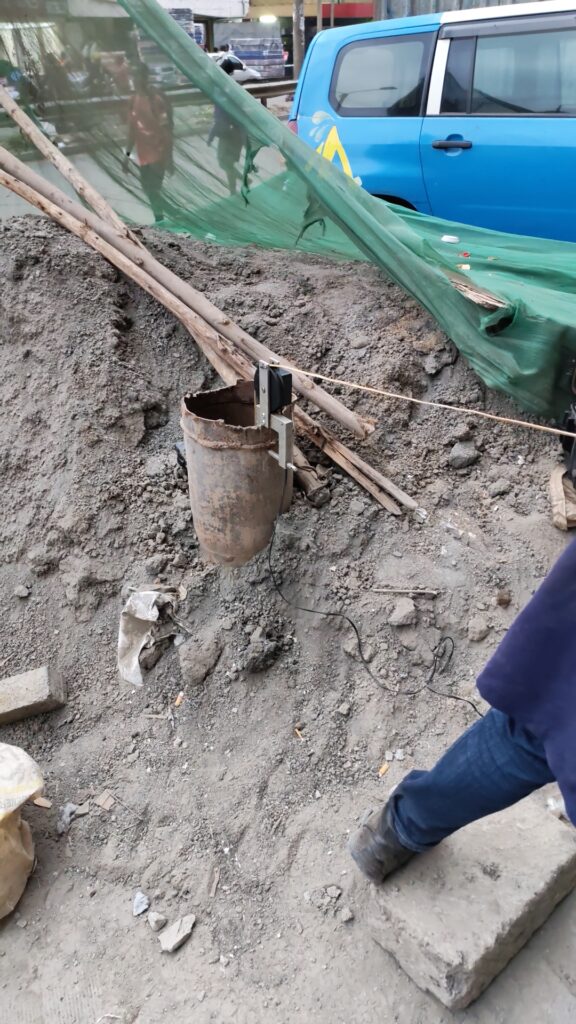
If you are planning borehole drilling with solar pumping in Mau Summit, contact Pro-Logic Technologies on 0723 763 173 to discuss your project.
Pro-Logic Technologies — Borehole Drilling, Solar Water Pumping, Water Systems, Electrical and Technical Solutions in Kenya.