
Pro-Logic Technologies (call 0723763173) Limited provides electrical installation services in Luthuli Avenue, Nairobi, for commercial premises, retail shops, offices, electronics workshops, residential properties, warehouses and other buildings requiring reliable electrical systems. We undertake electrical wiring, lighting installation, socket installation, distribution board installation, circuit protection, electrical troubleshooting, power distribution, electrical maintenance and electrical system upgrades.
Electrical installation is an essential part of every modern building. Businesses along Luthuli Avenue depend on electricity to operate lighting systems, computers, printers, electronic testing equipment, televisions, audio systems, refrigeration equipment, security systems, air conditioners and numerous other electrical appliances. A properly designed installation helps distribute electrical power safely and efficiently while providing suitable protection against electrical faults.
When planning an electrical installation, it is important to consider the building layout, available electricity supply, expected electrical load, cable routes, circuit protection, earthing arrangements and future expansion requirements. These considerations help ensure that the installation meets the needs of the occupants and applicable Kenyan electrical safety requirements.
Pro-Logic Technologies Limited assists customers seeking electrical installation and maintenance services in Luthuli Avenue and surrounding parts of Nairobi CBD. Whether you are opening a new shop, renovating an office, expanding an electronics workshop or upgrading an existing electrical system, the work should begin with an assessment of the premises and its electrical requirements.
ELECTRICAL INSTALLATION FOR SHOPS ALONG LUTHULI AVENUE
Luthuli Avenue is an important commercial location in Nairobi, with businesses dealing in electronics, electrical equipment, accessories, household appliances and other retail products. These premises require electrical systems capable of supporting everyday business activities without compromising safety.
A new shop may require general lighting, display lighting, socket outlets, computer power points, security lighting, signage connections and a distribution board with suitable protective devices. The electrical layout should support the intended arrangement of counters, shelves, display cabinets, workstations and storage areas.
During installation planning, the electrician should identify where electrical equipment will be positioned and estimate its expected demand. This allows circuits to be arranged appropriately rather than connecting every appliance to a single overloaded circuit.
Shop owners should also consider the location of switches and sockets. Power outlets should be accessible without creating trip hazards or exposing cables to damage. Lighting should provide adequate visibility for customers and staff, while display lighting should be installed using suitable electrical accessories and correctly rated equipment.
Electrical installation work may also involve replacing damaged sockets, upgrading old wiring, installing additional circuits and improving the arrangement of distribution boards. Any existing defects should be identified before the system is expanded.
COMMERCIAL ELECTRICAL WIRING AND INSTALLATION
Commercial electrical wiring provides the connections required to distribute electricity from the incoming supply to lighting points, socket outlets, appliances and other equipment.
A commercial installation should be planned according to the electrical characteristics of the premises. Factors include the connected load, expected operating hours, equipment starting currents, cable installation conditions, circuit lengths, voltage drop and the protection required for each circuit.
The installation may include concealed wiring, surface-mounted conduit, cable trunking, distribution boards, dedicated equipment circuits and appropriate protective devices. The most suitable method depends on the building structure, accessibility, environmental conditions and applicable standards.
For existing commercial buildings, the condition of the current wiring must be evaluated before additional loads are connected. Damaged insulation, loose terminals, overheated conductors, inadequate protective devices and unsuitable cable sizes can create serious hazards.
Commercial electrical installation should also allow future maintenance. Proper circuit labelling, accessible isolation points and an organized distribution board make it easier to identify faults and safely isolate equipment.
ELECTRICAL INSTALLATION FOR OFFICES IN NAIROBI CBD
Offices require electrical systems that support computers, printers, networking equipment, lighting, communication systems and other workplace devices.
An office installation commonly includes lighting circuits, general socket circuits, dedicated supplies for equipment with higher electrical demand, distribution boards, earthing and bonding, and suitable surge protection where required.
Computer workstations should have conveniently positioned outlets that reduce reliance on extension leads. Where a business operates servers, network switches or other equipment that must remain available during short power interruptions, an appropriately sized uninterruptible power supply may be considered.
The installation should account for the total expected demand rather than the number of devices alone. Some equipment draws more current during startup or operation than other devices. Circuit arrangements should therefore be determined through proper load assessment.
Office lighting should provide suitable visibility while minimizing glare. Switches may be arranged according to rooms, work areas and the intended lighting layout. Emergency lighting and other safety systems should be incorporated where required by the building's use and applicable regulations.
ELECTRICAL WIRING FOR ELECTRONICS REPAIR WORKSHOPS
Electronics repair workshops have specialized electrical requirements because technicians use testing instruments, soldering stations, bench power supplies, electronic loads and appliances undergoing diagnosis.
A workshop may contain oscilloscopes, multimeters, isolation transformers, soldering equipment, television testing benches, audio amplifier testing stations and power supply diagnostic equipment. Each item should be connected to an electrical system that can safely accommodate its requirements.
Workshop electrical planning should identify equipment with substantial current demand and determine whether dedicated circuits are necessary. Sensitive instruments may benefit from suitable power conditioning or surge protection, depending on the equipment manufacturer's recommendations and the characteristics of the supply.
The arrangement of workbenches also matters. Power outlets should be positioned so that technicians can connect instruments without routing cables across walkways. Equipment requiring isolation should have appropriate isolation arrangements, and protective devices should be selected for the intended application.
Electrical testing of appliances can expose technicians to hazardous voltages. The workshop should have suitable protective measures, safe working procedures and properly maintained equipment. Electrical installation should be completed and tested by appropriately qualified personnel.
ELECTRICAL CABLE INSTALLATION AND SELECTION
Electrical cables carry current between the electricity supply, distribution equipment and connected loads. Choosing an appropriate cable requires more than matching a cable to the appliance's power rating.
Important factors include the expected current, conductor material, conductor cross-sectional area, insulation type, installation method, ambient temperature, grouping with other cables, circuit length and allowable voltage drop.
A cable installed inside a conduit surrounded by thermal insulation may have a different current-carrying capacity from a cable installed in free air. Similarly, several heavily loaded cables installed together may require derating because heat cannot dissipate as effectively.
The protective device must be coordinated with the cable so that the conductor is protected against excessive current under the applicable design conditions. Cable selection should also account for short-circuit withstand requirements and the characteristics of the electrical supply.
In commercial premises, suitable cable-management systems protect conductors against mechanical damage and help maintain an organized installation. Cables should not be left exposed where they may be crushed, cut, overheated or damaged by moving equipment.
Before an existing circuit is extended, the electrician should assess the cable size, condition, protective device, existing load and proposed additional demand.
CONDUIT INSTALLATION AND CABLE TRUNKING
Conduits and trunking protect and organize electrical wiring in shops, offices, workshops and other buildings.
Conduit systems may be concealed within suitable building structures or installed on the surface where access and maintenance are important. Cable trunking can provide organized routes for multiple cables in commercial environments, subject to the system's rating and installation requirements.
The selected system should suit the environment. Areas exposed to moisture, chemicals, heat or mechanical impact may require particular materials and protection levels.
Conduit routes should be planned to avoid unnecessary bends, inaccessible junctions and excessive cable-pulling resistance. Trunking should not be overcrowded, and the cable arrangement must comply with applicable requirements.
Junction boxes and other connection points should remain accessible where maintenance or inspection is required. Cable entries should use suitable fittings, and sharp edges should be avoided because they can damage insulation.
An organized installation is easier to inspect, troubleshoot and expand. It also reduces the likelihood of accidental damage during later renovation work.
DISTRIBUTION BOARD INSTALLATION IN LUTHULI AVENUE
A distribution board receives electrical power and distributes it to individual circuits through appropriately selected protective and switching devices.
In a commercial building, the distribution board may supply lighting, sockets, air conditioning, refrigeration, computers, workshop equipment and other electrical loads. The number and arrangement of circuits depend on the premises and the expected demand.
The board must be suitable for the electrical supply, prospective fault current, environmental conditions and installed protective devices. Adequate space should be provided for safe connections, inspection and future maintenance.
Circuit identification is important. Each breaker should be labelled clearly so that the associated circuit can be identified without unnecessary trial and error. A circuit schedule can record the loads served and other useful installation information.
Distribution boards should not be overcrowded, and protective devices should not be replaced with higher-rated devices simply because a circuit trips frequently. Repeated tripping may indicate overload, a short circuit, earth leakage or a faulty appliance. The underlying cause should be investigated.
Installation, alteration and testing of distribution boards must be undertaken by suitably qualified electrical personnel using appropriate procedures and equipment.
MCB INSTALLATION AND CIRCUIT PROTECTION
A miniature circuit breaker, commonly called an MCB, protects an electrical circuit against overcurrent under specified conditions. It can disconnect a circuit when current exceeds its intended operating limits because of an overload or short circuit.
Selecting an MCB involves considering the circuit design current, cable capacity, expected fault current, operating characteristics and the type of connected equipment.
A breaker that is incorrectly rated or unsuitable for the circuit may fail to provide the intended protection. Increasing a breaker rating without checking the cable and circuit design can create a dangerous situation.
Other protective devices may also be required. Residual-current devices can provide protection against certain earth-leakage conditions, while combined residual-current and overcurrent devices provide both functions in a single unit. The appropriate arrangement depends on the installation design and applicable requirements.
Surge protective devices may be useful for protecting equipment against transient overvoltages when selected and installed appropriately. They do not replace overcurrent protection, earthing or other required safety measures.
Protection should be designed as a coordinated system. The selection and placement of each device must reflect the electrical installation's characteristics and intended use.
LIGHTING INSTALLATION FOR SHOPS AND OFFICES
Lighting is essential for commercial premises because it affects visibility, safety, customer experience and staff productivity.
Electrical lighting installation may include LED panels, downlights, ceiling lights, display lights, task lighting, outdoor security lights and illuminated signage connections.
The lighting layout should reflect the size of the premises, ceiling height, intended activities, available daylight and the required level of illumination. A shop displaying electronic products may need different lighting from a repair workshop or storage area.
Switching arrangements should be convenient and practical. Larger premises may benefit from separating lighting circuits by area so that unused sections can be switched off without affecting the entire building.
Outdoor lighting requires accessories suitable for the environmental conditions. Equipment exposed to rain or dust should have an appropriate ingress-protection rating and be installed according to the manufacturer's instructions.
Lighting circuits must also have suitable conductors, protective devices and connections. Faulty lighting accessories, loose connections and damaged insulation should be investigated rather than repeatedly bypassed.
SOCKET OUTLET INSTALLATION AND POWER POINTS
Socket outlets provide connection points for portable equipment and appliances. Their number and location should be determined by the intended use of each room or work area.
In a commercial shop, outlets may be required for computers, printers, payment terminals, chargers, display equipment and maintenance tools. A workshop may need additional outlets at benches, subject to the load and environmental requirements.
Sockets should be positioned to minimize the need for extension leads. Equipment with high power demand may require dedicated circuits rather than being connected to general-purpose outlets.
The type of outlet must be appropriate for the supply, connected equipment and installation environment. Accessories should be correctly rated, securely mounted and properly connected.
Sockets exposed to moisture, dust or mechanical damage may require specialized protection. The appropriate solution depends on the environment and applicable standards.
A socket that feels unusually hot, produces a burning smell, sparks excessively or has visible damage should not continue to be used. The circuit should be made safe and inspected by a qualified electrician.
EARTHING AND ELECTRICAL BONDING
Earthing and bonding are essential elements of electrical safety.
Earthing provides a connection to the earth through an arrangement designed for the electrical installation. Protective earthing helps ensure that exposed conductive parts are connected into the protective system so that a fault can result in the intended operation of protective devices.
Bonding connects specified conductive parts to reduce dangerous potential differences. The required arrangement depends on the installation design, the building's services and applicable electrical standards.
Earthing is not established simply by connecting a wire to a metal pipe or an arbitrary metal object. Such improvised arrangements may be ineffective or dangerous.
The earthing system must be designed and verified using suitable inspection and testing methods. Continuity of protective conductors, the effectiveness of fault protection and other relevant characteristics must be checked.
Electrical installations should not be energized until required protective measures have been completed and the appropriate tests have been performed.
ELECTRICAL FAULT DIAGNOSIS AND TROUBLESHOOTING
Electrical faults can affect shops, offices, workshops and residential buildings. Symptoms may include repeated breaker trips, flickering lights, dead sockets, unexpected power interruptions, overheated accessories or equipment that fails to start.
Accurate diagnosis requires identifying the fault rather than replacing components without evidence.
An electrician may inspect the affected circuit, examine connections, review the protective devices and carry out appropriate electrical tests. The investigation should consider whether the problem originates in the fixed wiring, a connected appliance, a protective device or the incoming supply.
Repeated breaker tripping must never be addressed by repeatedly resetting the breaker without determining the cause. Likewise, bypassing a protective device or installing an oversized breaker is not a safe repair.
Burning smells, smoke, visible arcing or unusually hot electrical equipment require urgent attention. If it is safe to do so, the affected circuit should be isolated without touching damaged equipment. If there is an active fire or immediate danger, occupants should move away and contact the appropriate emergency services.
Professional troubleshooting helps restore safe operation and reduces the likelihood of the same fault recurring.
ELECTRICAL LOAD ASSESSMENT FOR COMMERCIAL BUILDINGS
Electrical load assessment estimates the demand expected from the appliances, lighting and equipment connected to an installation.
For a simple single-phase load, current can be estimated from power, voltage and power factor where relevant. For an ideal resistive load, current is approximately equal to power divided by voltage. For motors and other equipment, power factor, efficiency and starting current must also be considered.
A commercial shop may have lighting, computers, refrigerators, air conditioners and other appliances operating at different times. The design must consider realistic simultaneous demand while following applicable design rules.
An assessment should identify equipment that may require dedicated circuits and establish whether the existing supply has sufficient capacity. Adding equipment without evaluating the supply, conductors and protective devices can lead to overloading.
Three-phase supplies may be appropriate for certain larger commercial or industrial loads, but their suitability must be established from the actual demand and supply arrangements.
Load assessment is also useful when planning future expansion. Businesses can identify likely increases in demand before installing additional equipment.
ELECTRICAL INSTALLATION FOR AIR CONDITIONERS AND REFRIGERATION EQUIPMENT
Air conditioners, refrigerators and other equipment with motors or compressors have specific electrical requirements.
The installation must consider the manufacturer's stated voltage, current, protective-device requirements, starting characteristics and isolation instructions. Some equipment may require a dedicated circuit, while other arrangements depend on its load and the electrical design.
Outdoor equipment may require wiring accessories and cable protection suitable for weather exposure. Connections must be protected from moisture and mechanical damage.
A circuit should not be extended to accommodate a new compressor or air conditioner without checking whether its conductors and protective devices are appropriate.
Where voltage instability or repeated tripping is reported, the cause should be investigated. Possible issues include supply problems, defective equipment, poor connections, overloads or inappropriate protection. The diagnosis should be based on measurements and inspection rather than assumptions.
INDUSTRIAL AND WORKSHOP ELECTRICAL INSTALLATION
Industrial and workshop installations can involve motors, pumps, compressors, welding equipment, production machinery and control systems.
These installations require particular attention to load calculations, starting currents, isolation, overload protection, short-circuit protection and the operating environment.
Motor installations may require suitable motor protection, contactors, overload relays and control circuits. Variable-frequency drives may be used for appropriate motor-speed control applications, provided the drive, motor and installation are compatible.
Electrical panels should be designed and assembled according to the intended function and applicable requirements. Conductors, terminals, protective devices and enclosure ratings must be appropriate for the expected operating conditions.
Industrial equipment should have clear isolation arrangements and safe access for maintenance. Where machinery presents mechanical or electrical hazards, suitable lockout and isolation procedures are necessary.
Installation and commissioning should include the inspections and tests appropriate to the equipment and system.
ELECTRICAL INSTALLATION FOR CCTV AND SECURITY SYSTEMS
Security installations may include CCTV cameras, recording equipment, access-control devices, alarms, network switches and electric-fence equipment.
The power requirements vary by device. Some cameras use low-voltage direct current, while others receive power through Power over Ethernet. The installer must follow the equipment specifications and distinguish low-voltage cabling from mains-voltage wiring.
Cabling should be routed to reduce exposure to physical damage and interference. Outdoor cameras require suitable environmental protection and correctly installed connections.
Power supplies and network equipment should be selected to support the total connected load. Where security equipment must remain operational during short power interruptions, an appropriately designed backup supply may be considered.
Mains-voltage connections must be installed by suitably qualified personnel. Low-voltage cabling should not be treated as a substitute for proper electrical safety measures.
ELECTRICAL INSTALLATION MAINTENANCE
Regular maintenance helps identify developing faults before they cause equipment damage or interrupt business operations.
Maintenance may include visual inspections, checking accessible electrical accessories, reviewing circuit labelling, inspecting distribution boards, assessing signs of overheating and performing suitable electrical tests.
The frequency of maintenance depends on the installation's age, operating conditions, equipment criticality and applicable requirements.
Businesses using machinery or refrigeration equipment may benefit from planned inspections because unexpected electrical failures can interrupt normal operations.
Maintenance records should document the date of inspection, identified defects, corrective work and any relevant test results. This information helps track recurring problems and supports future planning.
Maintenance should never involve working on exposed live conductors without an appropriate authorized procedure and the required competence and equipment. In most ordinary maintenance situations, safe isolation should be established before work begins.
ELECTRICAL INSTALLATION UPGRADES FOR OLD BUILDINGS
Older buildings may have electrical installations that were designed for substantially lower loads than those required today.
Upgrades may involve replacing damaged wiring, adding circuits, improving distribution-board arrangements, installing appropriate protective devices and correcting deficiencies in earthing or bonding.
However, an upgrade should begin with an assessment. Replacing only the visible accessories may leave underlying problems unresolved.
The electrician should determine whether the existing supply, conductors, distribution equipment and protective arrangements are suitable for the intended demand. Where defects are discovered, corrective work should be prioritized according to risk.
A well-planned upgrade improves the installation's suitability for current use while providing a basis for future expansion.
ELECTRICAL INSTALLATION COSTS IN LUTHULI AVENUE
The cost of electrical installation depends on the scope of work and the condition of the premises.
Factors include the building size, number of circuits, cable specifications, distribution-board requirements, quantity of lighting and sockets, installation method, accessibility and testing requirements.
A small repair or replacement of a damaged accessory will generally involve a different scope from a complete commercial wiring installation.
Industrial installations may require additional design, control equipment, motor protection, specialized enclosures and commissioning work.
A reliable quotation should identify the work to be performed, the materials included, the testing required and any exclusions. Where concealed wiring or existing defects may affect the work, the quotation may need to be revised after inspection.
Customers should compare quotations based on the actual scope and material specifications rather than price alone. Electrical safety should not be compromised by using unsuitable cables, inferior protective devices or unqualified labour.
ELECTRICAL INSTALLATION SAFETY AND KENYAN REQUIREMENTS
Electrical installations in Kenya must comply with applicable laws, regulations, standards and requirements set by the relevant authorities.
Electrical installation work should be undertaken by appropriately licensed personnel. The installation must use suitable materials, protective devices and installation methods, followed by the required inspection and testing.
Testing may include continuity checks, insulation-resistance measurements, polarity verification, earthing-related tests and verification of protective-device arrangements, as applicable to the installation.
The specific tests and acceptance criteria depend on the installation type and applicable requirements.
Electrical safety also requires suitable user practices. Damaged sockets, exposed conductors, persistent tripping and signs of overheating should be addressed promptly. Protective devices should not be bypassed, and electrical equipment should not be operated beyond its intended ratings.
SERVICE COVERAGE AROUND LUTHULI AVENUE
Pro-Logic Technologies Limited provides electrical installation and maintenance services for customers in Luthuli Avenue and other parts of Nairobi, subject to the type of work and scheduling.
Potential service locations include Nairobi CBD, River Road, Tom Mboya Street, Dubois Road and surrounding commercial areas. Work at other Nairobi locations can be discussed when requesting a service assessment.
Customers should provide the location, type of premises, nature of the installation and any known electrical issues. This information helps determine the likely scope of work and whether an inspection is required before quotation.
FREQUENTLY ASKED QUESTIONS ABOUT ELECTRICAL INSTALLATION
1. Do you provide electrical installation in Luthuli Avenue?
Pro-Logic Technologies Limited offers electrical installation and maintenance services for customers in Luthuli Avenue, Nairobi, subject to job requirements and scheduling.
2. Can you install electrical wiring in a new shop?
Yes. Commercial wiring can include lighting, sockets, distribution boards, circuit protection and other electrical connections selected for the premises.
3. Can an existing shop's electrical system be upgraded?
Yes. An upgrade may involve assessing the existing wiring, replacing defective components, adding circuits and improving protective arrangements.
4. Do you install distribution boards and MCBs?
Distribution-board and circuit-breaker work can be undertaken as part of an appropriately designed electrical installation.
5. Can you investigate frequent breaker tripping?
Yes. The circuit should be inspected and tested to establish whether the cause is overload, a short circuit, earth leakage, faulty equipment or another problem.
6. Do you install lighting and socket outlets?
Lighting and socket installation can be included in new installations, renovations and electrical upgrades.
7. Can you handle workshop electrical installations?
Workshop installations can be planned around testing equipment, machinery, workbenches, lighting and the expected electrical load.
8. How is an electrical installation quotation determined?
The quotation depends on the premises, the scope of work, material specifications, accessibility and testing requirements.
9. Is electrical testing necessary after installation?
Yes. Appropriate inspection and testing are important for verifying that the installation has been completed safely and complies with the relevant requirements.
10. How can I request electrical installation services?
Contact Pro-Logic Technologies Limited using the contact information below and describe the work required.
CONTACT PRO-LOGIC TECHNOLOGIES LIMITED
For electrical installation, commercial wiring, lighting installation, socket installation, distribution boards, circuit protection, electrical fault diagnosis and electrical maintenance in Luthuli Avenue, Nairobi, contact Pro-Logic Technologies Limited.
Company: Pro-Logic Technologies Limited
Workshop: Luthuli Avenue, Kangari Building, 3rd Floor, KA7
Telephone: 0723763173
Email: info@prologictechnologies.co.ke
Website: prologictecnologies.co.ke
We welcome enquiries from shop owners, office managers, workshop operators, property owners and other customers requiring electrical installation and maintenance services.
Choose a properly assessed installation, appropriate electrical materials and qualified personnel to help keep your premises safe and operational.
CONCLUSION
Electrical installation in Luthuli Avenue requires careful planning because commercial premises rely on dependable electricity for lighting, electronics, refrigeration, security, office equipment and workshop operations.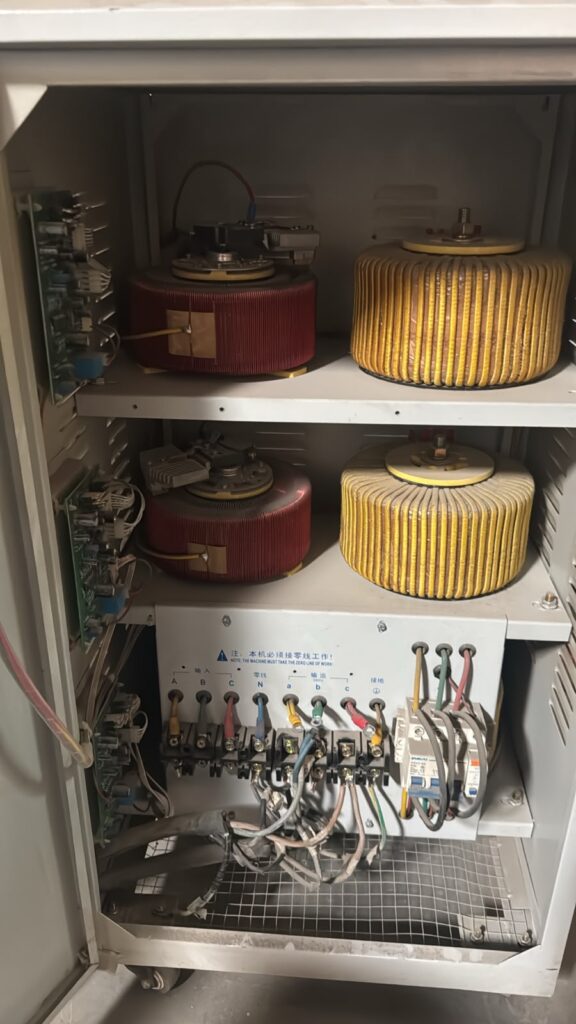
A suitable installation should incorporate correctly selected cables, organized wiring routes, appropriate circuit protection, safe earthing and bonding, accessible isolation arrangements and proper inspection and testing.
Whether the project involves a new shop, an office renovation, a workshop upgrade or troubleshooting an existing electrical system, the work should be based on the actual requirements of the premises.
Pro-Logic Technologies Limited provides electrical installation and maintenance services for customers in Luthuli Avenue and surrounding parts of Nairobi. Contact the company to discuss your electrical requirements and arrange an assessment where necessary.
Pro-Logic Technologies Limited – Electrical Installation in Luthuli Avenue, Nairobi. Phone: 0723763173.