
Are you searching for professional projection TV repair in Nairobi? Is your projection television producing a dark picture, displaying white dots, showing distorted colours, failing to start, overheating or switching off unexpectedly? Pro-Logic Technologies Limited targets customers requiring professional television electronics diagnostics, projection system troubleshooting, electronic board repair and replacement component sourcing.
Projection televisions are specialised electronic entertainment systems designed to reproduce large images using internal image-generation and optical projection technologies. Unlike conventional LED and LCD flat-screen televisions, projection televisions depend on an optical system to direct and process light before it reaches the viewing screen.
Different projection television technologies use different methods of producing images. These include Digital Light Processing (DLP), Liquid Crystal Display (LCD), Liquid Crystal on Silicon (LCoS) and other rear-projection display arrangements.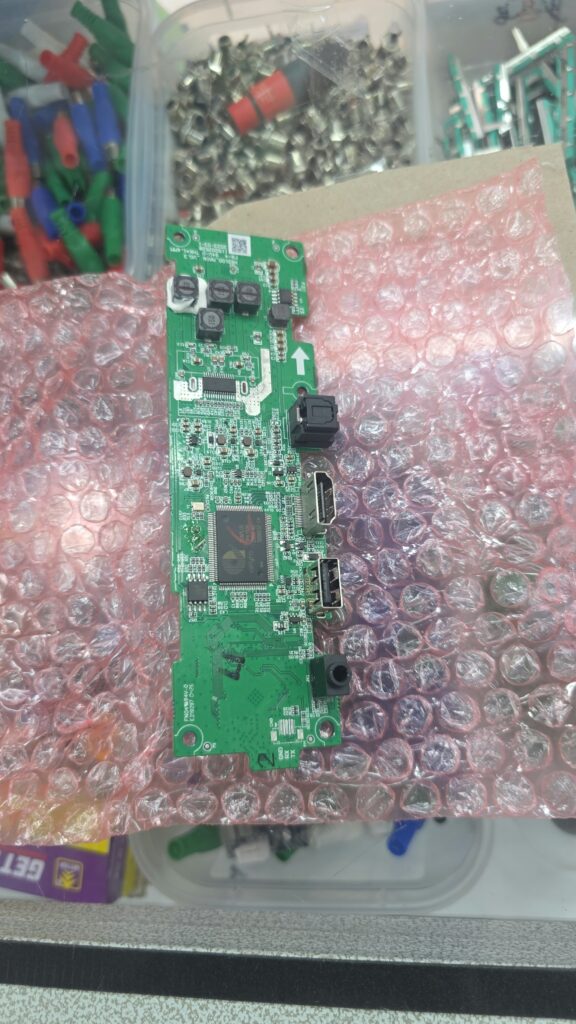
Depending on the television design, the internal system may incorporate a high-intensity lamp, LED illumination, laser illumination, optical engine, colour wheel, DMD chip, LCD imaging panels, mirrors, projection lenses, electronic control boards and cooling fans.
Every component performs an important function in producing a clear, bright and correctly coloured image.
When one section develops a fault, the television may experience complete image failure, reduced brightness, colour distortion, abnormal noise, overheating or repeated shutdown.
Pro-Logic Technologies Limited targets projection television repair enquiries involving different manufacturers and display technologies. Our technical service categories include optical system troubleshooting, electronic board diagnosis, lamp system assessment, image processing problems, power supply faults and projection television maintenance.
Our primary workshop is located at:
Luthuli Avenue, Kangari Building, 3rd Floor, Room KA7, Nairobi.
Telephone: 0723763173
Email: info@prologictechnologies.co.ke
Alternative email: logicepro06@gmail.com
Website: https://prologictecnologies.co.ke
2. UNDERSTANDING PROJECTION TELEVISION TECHNOLOGY
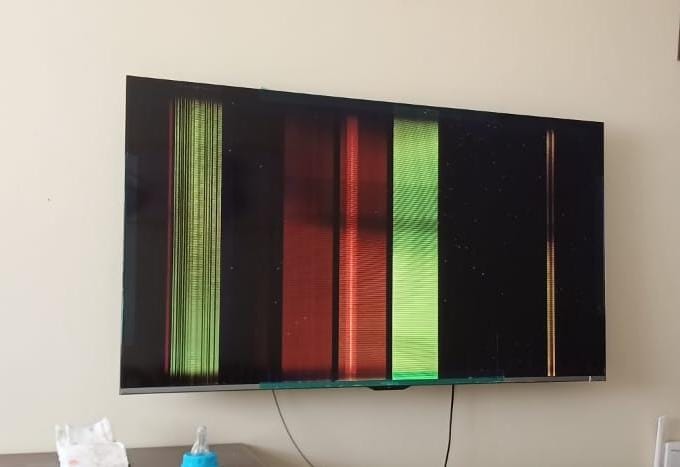
Projection televisions operate differently from conventional flat-panel televisions.
A conventional LED television produces an image directly on its display panel. A rear-projection television generates an image internally and directs it onto a large screen using an optical projection system.
The internal architecture depends on the manufacturer and display technology.
A typical projection television may contain:
- Image-generation assembly.
- Optical engine.
- Projection lamp or illumination source.
- Projection lens.
- Optical mirrors.
- Colour processing system.
- Image processing board.
- Main control board.
- Power supply.
- Cooling system.
- Audio processing system.
- Signal input and output connections.
- Thermal monitoring components.
- Control software.
A fault in any of these systems can affect television performance.
For example, a defective illumination system may cause a dark picture, while a damaged image-generation chip may produce permanent white spots.
A malfunctioning colour wheel may cause rainbow effects or abnormal noise. A damaged power supply may prevent the television from starting.
Understanding the actual technology is therefore important before attempting any repair.
3. DLP PROJECTION TV REPAIR IN NAIROBI
Digital Light Processing is an important technology used in projection display systems.
DLP technology uses a Digital Micromirror Device, commonly called a DMD chip, to control the reflection of light and generate image information.
The DMD contains thousands or millions of microscopic mirrors depending on the device architecture.
Each mirror represents an individual picture element and changes position to control light reflection.
In colour-wheel-based systems, the television processes colour information through a rotating colour wheel and synchronises the image generation process.
Other DLP systems use different illumination and colour-generation arrangements.
Common DLP television faults include:
- White dots.
- Black spots.
- Missing pixels.
- Distorted images.
- Rainbow effects.
- Incorrect colours.
- Flickering pictures.
- Dim images.
- No picture.
- Excessive internal noise.
- DMD chip failure.
- Colour wheel failure.
- Lamp failure.
- Cooling fan problems.
A complete DLP television diagnosis should examine the image-generation system, illumination source, optical path, electronic control boards and cooling arrangements.
3.1 DLP DMD CHIP FAILURE
The DMD chip is one of the most important components in a DLP projection television.
It contains a microscopic array of mirrors that control the direction of light used to generate the projected picture.
When individual micromirrors or associated electronic structures deteriorate, the television may display permanent white or black spots.
The number of visible spots may increase over time, depending on the nature of the failure.
Common symptoms include:
- White dots distributed across the image.
- Black spots.
- Pixel abnormalities.
- Missing picture elements.
- Image distortion.
- Permanent bright spots.
- Irregular picture patterns.
A common repair enquiry involves a DLP television displaying multiple white dots against dark backgrounds.
In some DLP models, this symptom is associated with deterioration of the DMD chip.
However, the exact fault must be confirmed through inspection.
DMD replacement requires identifying the correct chip specification and ensuring compatibility with the optical engine.
The replacement process also requires appropriate handling of the optical assembly, thermal interface and internal connections.
3.2 DLP COLOUR WHEEL REPAIR
Some DLP projection televisions use a rotating colour wheel to produce different colour components.
The colour wheel may contain red, green, blue and other optical segments depending on the design.
It rotates at high speed and operates in synchronisation with the image-processing system.
A damaged colour wheel may produce:
- Rainbow effects.
- Incorrect colours.
- Colour flickering.
- Grinding sounds.
- Excessive buzzing.
- Intermittent image formation.
- Startup problems.
The problem may originate from the wheel assembly, motor, bearings, sensor or associated electronic control system.
Diagnosis should establish whether the wheel is physically damaged, mechanically unstable or electronically unsynchronised.
Replacement components must match the television's optical engine.
3.3 DLP LIGHT ENGINE DIAGNOSIS
The light engine combines the optical and image-generation components responsible for producing the final picture.
Depending on the model, it may contain the DMD chip, colour wheel, optical filters, mirrors, illumination components and projection lens.
Possible problems include:
- Internal contamination.
- Optical misalignment.
- DMD failure.
- Colour wheel damage.
- Lens contamination.
- Thermal damage.
- Illumination failure.
- Electrical connection problems.
A damaged optical engine may cause multiple symptoms simultaneously.
It is therefore important to assess the complete assembly before replacing individual components.
4. LCD PROJECTION TELEVISION REPAIR
LCD projection televisions use liquid crystal panels to control light passing through an optical system.
Some systems use separate red, green and blue LCD imaging panels.
Light passes through or interacts with these panels and is combined through an optical arrangement to generate a full-colour image.
The final picture is directed through the projection lens.
Common LCD projection television faults include:
- Colour distortion.
- Uneven brightness.
- Dark patches.
- Yellow or brown image areas.
- Dust spots.
- Optical contamination.
- Blurry pictures.
- Panel damage.
- Polariser deterioration.
- Image misalignment.
4.1 LCD PANEL DAMAGE
LCD imaging panels are precision optical components.
Damage can affect the image's brightness, colour reproduction and clarity.
Symptoms may include missing image sections, abnormal colours, dark areas and permanent image distortion.
The correct diagnosis must establish whether the problem originates from the panel itself, its electronic control circuits or another optical component.
4.2 LCD POLARISER DAMAGE
Projection systems may use polarising filters to control light behaviour.
These components can deteriorate under prolonged exposure to heat and intense illumination.
Possible symptoms include colour changes, dark areas, uneven image appearance and reduced contrast.
Replacing an optical filter requires appropriate identification, alignment and handling.
4.3 LCD OPTICAL ALIGNMENT
The red, green and blue image components must combine correctly to produce an accurate picture.
Incorrect optical alignment can create colour fringes, blurred edges and poor image definition.
A proper assessment should consider the imaging panels, optical components, mounting arrangements and alignment requirements.
5. LCoS PROJECTION TELEVISION REPAIR
Liquid Crystal on Silicon is a reflective display technology used in some advanced projection systems.
It combines liquid crystal technology with a reflective silicon backplane.
LCoS systems can deliver high-resolution images and are used in selected projection and home cinema applications.
Potential faults include:
- Colour imbalance.
- Image distortion.
- Optical contamination.
- Illumination problems.
- Electronic control faults.
- Panel-related defects.
- Overheating.
- Image processing problems.
LCoS repair requires knowledge of the particular optical architecture and access to compatible replacement components.
6. REAR-PROJECTION TELEVISION REPAIR
Rear-projection televisions were designed to produce large viewing screens without requiring the television to be as deep as traditional direct-view CRT televisions of comparable screen size.
They use an internal projection assembly that directs the image onto a screen from behind.
Different rear-projection televisions use DLP, LCD or LCoS technologies.
Older systems may also use three separate CRT projection tubes.
Common rear-projection problems include:
- No picture.
- Dim screen.
- Incorrect colours.
- White spots.
- Black spots.
- Image convergence problems.
- Optical contamination.
- Lamp failure.
- Cooling system problems.
- Power supply failure.
- Electronic control faults.
The correct repair procedure depends on the underlying projection technology.
7. CRT REAR-PROJECTION TELEVISION REPAIR
Some older rear-projection televisions use three cathode-ray tubes to produce red, green and blue images.
The three images must be correctly aligned to create a single full-colour picture.
CRT projection systems contain high-voltage circuits and specialised optical components.
Common problems include:
- Red convergence problems.
- Blue convergence problems.
- Green image misalignment.
- Colour shadows.
- Double images.
- Poor focus.
- Dim projection.
- CRT deterioration.
- High-voltage circuit faults.
- Defective convergence amplifiers.
7.1 CRT CONVERGENCE REPAIR
Convergence ensures that the red, green and blue images align accurately.
When convergence is incorrect, the television may show coloured shadows around objects and text.
Possible causes include:
- Convergence amplifier failure.
- Damaged convergence ICs.
- Incorrect convergence settings.
- Defective power supply rails.
- Component deterioration.
- Optical or mechanical misalignment.
The repair process requires identifying the specific convergence system and testing its associated circuits.
7.2 CRT FOCUS PROBLEMS
Poor focus can make projected pictures appear blurred.
The problem may involve the focus circuit, CRT condition, optical lens or adjustment system.
Diagnosis should establish whether the fault is electronic, optical or related to the imaging tubes.
8. PROJECTION TV LAMP REPLACEMENT AND REPAIR
Many traditional projection televisions use high-intensity discharge lamps to illuminate the projection system.
These lamps operate under demanding electrical and thermal conditions.
Over time, lamp output deteriorates and brightness decreases.
Eventually, the lamp may fail to ignite or may trigger the television's protection system.
Common symptoms include:
- Dim picture.
- Flickering illumination.
- Lamp warning indicator.
- Delayed startup.
- Television shutting down.
- No projected image.
- Lamp ignition failure.
- Abnormal brightness.
Projection lamp replacement requires identifying the exact compatible lamp or lamp housing.
The correct lamp specification should be established using the television model and original lamp identification.
A replacement lamp should not be selected based on physical appearance alone.
8.1 PROJECTION LAMP BALLAST REPAIR
The ballast supplies and controls the electrical energy required by compatible discharge lamps.
It may incorporate specialised switching and ignition circuitry.
Common ballast faults include:
- Lamp not igniting.
- Repeated ignition attempts.
- Unstable illumination.
- Lamp warning errors.
- Television shutdown.
- Electrical component failure.
Diagnosis should consider the ballast, lamp, power supply and associated control signals.
High-voltage lamp ignition circuits require specialised safety procedures.
8.2 LAMP HOUSING AND CONNECTOR INSPECTION
Projection lamp assemblies may include a housing, electrical terminals and mechanical mounting components.
Problems can arise from damaged connectors, incorrect installation, deterioration or physical damage.
The lamp must be installed according to the manufacturer's requirements.
9. PROJECTION TV OPTICAL ENGINE REPAIR
The optical engine is responsible for generating and directing the light that forms the final picture.
It may contain several precision components.
These include:
- Optical lenses.
- Mirrors.
- Prisms.
- DMD chips.
- LCD imaging panels.
- Polarising filters.
- Colour wheel assemblies.
- Light guides.
- Optical mounts.
- Internal light paths.
Possible optical engine faults include:
- Dust accumulation.
- Lens contamination.
- Optical misalignment.
- Damaged mirrors.
- Deteriorated filters.
- Uneven illumination.
- Colour abnormalities.
- Thermal damage.
- Light leakage.
Optical components require careful handling.
Even small amounts of contamination can become visible as spots, shadows or image irregularities.
10. PROJECTION TV POWER SUPPLY BOARD REPAIR
The power supply provides the electrical energy required by the television's different internal systems.
Depending on the design, the television may contain several power conversion stages.
These may supply the mainboard, lamp ballast, optical control circuits, audio amplifier and cooling system.
Common symptoms of power supply failure include:
- Television not switching on.
- No standby indicator.
- Repeated restarting.
- Clicking sounds.
- Blown fuses.
- Unstable operation.
- Sudden shutdown.
- Protection circuit activation.
Electronic diagnosis may involve examining:
- Input protection.
- Rectification circuits.
- Switching transistors.
- Transformers.
- Capacitors.
- Feedback circuits.
- Voltage regulators.
- Output connections.
- Control signals.
A failed fuse should be investigated to establish the original cause.
Replacing a fuse without identifying the underlying fault can result in repeated failure and further damage.
11. PROJECTION TV MAINBOARD REPAIR
The mainboard controls several important television functions.
These may include:
- Video processing.
- Audio processing.
- Input selection.
- System startup.
- User interface.
- Signal communication.
- Optical system coordination.
- Software operation.
Common mainboard faults include:
- No startup.
- Television freezing.
- No video signal.
- HDMI input failure.
- No sound.
- Intermittent operation.
- Software errors.
- Communication problems.
Diagnosis may involve power supply checks, signal tracing, connector inspection and component-level troubleshooting.
12. PROJECTION TV COOLING FAN REPAIR
Projection televisions can generate considerable internal heat, particularly lamp-based systems.
Cooling fans maintain airflow through the television's internal compartments.
Common cooling problems include:
- Fan not rotating.
- Excessive fan noise.
- Grinding sounds.
- Fan speed errors.
- Blocked air passages.
- Thermal shutdown.
- Lamp overheating.
- Optical engine overheating.
The cooling system should be examined for mechanical damage, dust accumulation, obstructed ventilation and electrical control problems.
A defective fan should be replaced with a compatible component.
13. PROJECTION TV TEMPERATURE SENSOR REPAIR
Temperature sensors monitor operating conditions within the television.
They may be installed near the lamp assembly, optical engine or other heat-producing sections.
A faulty sensor can produce incorrect temperature readings and may cause protection-related shutdowns.
Diagnosis should establish whether the sensor itself is defective or whether the problem originates from its wiring, connector or control circuit.
14. PROJECTION TV COLOUR PROBLEMS
Incorrect colour reproduction can result from several different faults.
Possible symptoms include:
- Red-dominated pictures.
- Green colour distortion.
- Blue colour distortion.
- Yellow images.
- Purple colour effects.
- Washed-out colours.
- Rainbow patterns.
- Uneven colour distribution.
Possible causes include optical filter deterioration, colour wheel faults, imaging panel problems, convergence errors and electronic processing defects.
The television technology must be identified before selecting the appropriate repair procedure.
15. PROJECTION TV IMAGE DISTORTION
Image distortion may affect the geometry, focus, brightness or colour distribution of the picture.
Common symptoms include:
- Blurry pictures.
- Uneven screen illumination.
- Distorted image edges.
- Incorrect aspect ratio.
- Colour shadows.
- Flickering.
- Image instability.
- Dark corners.
- Uneven brightness.
The diagnosis should consider optical alignment, lens condition, image processing and projection system calibration.
16. PROJECTION TV NO PICTURE REPAIR
A television with no projected picture may have a failure in its illumination system, optical engine, image processing system or power supply.
A systematic diagnosis should establish whether the television powers on, whether the lamp or light source operates, whether the cooling system runs and whether the electronic control system reports an error.
Possible faults include:
- Lamp failure.
- Ballast failure.
- DMD chip failure.
- Optical engine failure.
- Mainboard problems.
- Power supply problems.
- Thermal protection.
- Damaged connections.
The correct solution depends on the underlying fault.
17. PROJECTION TV DIM PICTURE REPAIR
A dim projection image can make television viewing difficult.
Possible causes include:
- Ageing projection lamp.
- Optical contamination.
- Light engine deterioration.
- Incorrect image settings.
- Damaged optical components.
- Illumination circuit problems.
Diagnosis should distinguish between normal lamp ageing and actual electronic or optical failure.
18. PROJECTION TV HDMI AND VIDEO INPUT REPAIR
Modern and older projection televisions support different external signal connections.
Depending on the model, these may include:
- HDMI.
- VGA.
- Component video.
- Composite video.
- S-Video.
- Audio input connections.
Common problems include damaged ports, missing signals, unstable connections and video processing faults.
Diagnosis should include checking the external source, cables, connectors and television input circuitry.
19. PROJECTION TV AUDIO SYSTEM REPAIR
Projection televisions may also develop sound-related problems.
These include:
- No audio.
- Distorted sound.
- Low volume.
- Speaker failure.
- Amplifier circuit faults.
- Intermittent sound.
- External audio connection problems.
The repair process should distinguish between internal audio electronics and faults involving external receivers or speakers.
20. PROJECTION TV REMOTE CONTROL AND CONTROL PANEL REPAIR
The control system allows users to operate television functions.
Problems may involve:
- Remote control not responding.
- Infrared receiver failure.
- Control panel buttons not working.
- Power button problems.
- Incorrect input selection.
- Unresponsive menus.
Diagnosis should establish whether the issue originates from the remote, receiver, control board or software.
21. PROJECTION TV SOFTWARE AND FIRMWARE PROBLEMS
Some projection televisions use software-controlled electronic systems.
Possible faults include:
- Television freezing.
- Startup problems.
- Incorrect input detection.
- System errors.
- Communication problems.
- Software corruption.
Firmware and software recovery must be performed according to the manufacturer's model-specific procedures.
Incorrect firmware can cause additional operational problems.
22. PROJECTION TV INTERNAL WIRING AND CONNECTOR REPAIR
Projection televisions contain multiple internal connections linking their optical, electronic and power systems.
These may include:
- Power connectors.
- Signal connectors.
- Fan connectors.
- Sensor connections.
- Lamp connections.
- Optical engine cables.
- Mainboard communication cables.
Damaged wiring or loose connectors can produce intermittent operation and complete system failure.
Inspection should consider connector seating, contact condition, cable integrity and electrical continuity.
23. PROJECTION TV PREVENTIVE MAINTENANCE
Regular maintenance helps preserve the condition of projection television systems.
Recommended maintenance considerations include:
- Cleaning appropriate air filters.
- Checking cooling fans.
- Inspecting ventilation openings.
- Monitoring operating temperatures.
- Checking lamp condition.
- Inspecting electrical connections.
- Monitoring image brightness.
- Checking for abnormal noise.
- Inspecting optical components.
- Checking the power supply.
- Maintaining appropriate operating conditions.
The manufacturer's maintenance instructions should be followed, particularly when handling lamps and optical assemblies.
24. PROJECTION TV REPAIR FOR DIFFERENT BRANDS
We target repair enquiries involving different projection television manufacturers.
SAMSUNG PROJECTION TV REPAIR
Samsung projection television enquiries include DLP systems, DMD chip problems, lamp failure, colour wheel faults, optical engine problems and electronic board diagnosis.
SONY PROJECTION TV REPAIR
Sony projection television systems may require diagnosis of optical components, image processing, illumination, convergence and electronic control circuits.
MITSUBISHI PROJECTION TV REPAIR
Mitsubishi rear-projection television enquiries may involve DLP systems, lamp assemblies, DMD chips, colour wheels and older projection technologies.
TOSHIBA PROJECTION TV REPAIR
Toshiba projection television repair enquiries include image problems, power supply faults, illumination problems and optical system troubleshooting.
LG PROJECTION TV REPAIR
LG projection television repair enquiries may involve image-generation components, power supply systems, display processing and electronic control faults.
PANASONIC PROJECTION TV REPAIR
Panasonic projection television systems may use different display technologies depending on the generation.
Repair enquiries include optical system problems, image distortion, lamp failure and electronic board faults.
Other brands targeted include Hitachi, Sharp, Philips, JVC, RCA, Sanyo and Pioneer.
25. PROJECTION TV REPAIR FOR HOME CINEMA SYSTEMS
Projection televisions have been used in home entertainment systems to provide large-screen viewing.
Some installations combine projection televisions with:
- Home theatre systems.
- Surround sound speakers.
- AV receivers.
- Media players.
- Digital television decoders.
- Gaming consoles.
- Streaming devices.
Repair enquiries may involve both television operation and external signal connectivity.
26. PROJECTION TV REPAIR FOR HOTELS AND COMMERCIAL PREMISES
Commercial projection television installations may be found in hotels, conference facilities, entertainment establishments and other business environments.
These systems may experience extended operating hours and different maintenance requirements.
We target businesses requiring projection television assessment, electronic repairs and suitable replacement components.
27. PROJECTION TV REPAIR DIAGNOSTIC PROCEDURE
A systematic diagnostic process helps identify the actual source of the fault.
The procedure generally involves:
Initial customer assessment: Establishing the television model, symptoms and operating history.
Model identification: Identifying the manufacturer, model number and projection technology.
External inspection: Checking the casing, ventilation openings, connectors and visible physical condition.
Power assessment: Establishing whether the television starts and whether standby and power circuits operate.
Image assessment: Checking brightness, colour reproduction, image geometry and display abnormalities.
Optical inspection: Examining accessible optical components and the illumination system.
Cooling assessment: Checking fan operation and thermal protection conditions.
Electronic diagnosis: Testing the relevant power supply and control circuits.
Fault identification: Establishing the defective component or subsystem as far as the available evidence permits.
Repair recommendation: Explaining the required repair, component availability and estimated cost.
Post-repair verification: Checking the relevant operating functions after authorised repair.
28. PROJECTION TV REPAIR COST FACTORS IN NAIROBI
The cost of projection television repair depends on several factors.
These include:
- Television manufacturer.
- Exact model.
- Projection technology.
- Nature of the fault.
- Availability of replacement parts.
- Condition of the optical engine.
- Lamp specification.
- DMD chip requirements.
- Power supply condition.
- Labour requirements.
- Extent of physical damage.
For example, a lamp replacement may have different requirements from a DMD chip replacement.
Similarly, repairing a power supply circuit may be considerably different from replacing an entire optical engine.
A technical assessment should be completed before a final quotation is provided.
29. PROJECTION TV REPAIR IN NAIROBI AND SURROUNDING AREAS
Pro-Logic Technologies Limited targets projection television repair enquiries throughout Nairobi.
NAIROBI CBD
Target locations include Luthuli Avenue, River Road, Tom Mboya Street, Kirinyaga Road, Kijabe Street, Ngara, Gikomba and surrounding commercial areas.
WESTLANDS
Westlands, Parklands, Spring Valley, Riverside, Brookside, Gigiri, Runda, Rosslyn and Loresho.
KILIMANI AND KILELESHWA
Kilimani, Kileleshwa, Lavington, Hurlingham, Dennis Pritt Road, Yaya Centre surroundings and neighbouring locations.
KAREN AND LANGATA
Karen, Langata, Hardy, Otiende, South C, South B, Rongai and surrounding areas.
THIKA ROAD
Kasarani, Roysambu, Zimmerman, Githurai, Ruaraka, Kahawa West, Kahawa Sukari and Garden Estate.
EASTLANDS
Buruburu, Umoja, Donholm, Kayole, Embakasi, Pipeline, Tassia, Komarock, Dandora, Kariobangi and Njiru.
WESTERN NAIROBI
Uthiru, Kinoo, Regen, Gitaru, Kikuyu, Wangige, Kabete, Kangemi, Mountain View, Kawangware, Riruta, Waithaka and Dagoretti.
KIAMBU AND SURROUNDING LOCATIONS
Kiambu Town, Thika, Ruiru, Juja, Limuru, Ruaka, Gachie, Banana, Wangige, Kabete, Kikuyu and surrounding settlements.
30. PROJECTION TELEVISION REPAIR ENQUIRIES ACROSS ALL 47 COUNTIES
Our nationwide website coverage targets projection television owners in all 47 counties of Kenya.
The geographical targets include:
- Nairobi County.
- Kiambu County.
- Mombasa County.
- Kwale County.
- Kilifi County.
- Tana River County.
- Lamu County.
- Taita Taveta County.
- Garissa County.
- Wajir County.
- Mandera County.
- Marsabit County.
- Isiolo County.
- Meru County.
- Tharaka-Nithi County.
- Embu County.
- Kitui County.
- Machakos County.
- Makueni County.
- Nyandarua County.
- Nyeri County.
- Kirinyaga County.
- Murang'a County.
- Kericho County.
- Bomet County.
- Kakamega County.
- Vihiga County.
- Bungoma County.
- Busia County.
- Siaya County.
- Kisumu County.
- Homa Bay County.
- Migori County.
- Kisii County.
- Nyamira County.
- Narok County.
- Kajiado County.
- Turkana County.
- West Pokot County.
- Samburu County.
- Trans Nzoia County.
- Uasin Gishu County.
- Elgeyo-Marakwet County.
- Nandi County.
- Baringo County.
- Laikipia County.
- Nakuru County.
Customers outside Nairobi can enquire about suitable repair arrangements, technical assessments and component sourcing.
31. PROJECTION TV REPAIR FREQUENTLY ASKED QUESTIONS
Where can I repair a projection TV in Nairobi?
Contact Pro-Logic Technologies Limited on 0723763173 for projection television repair enquiries. Our main workshop is located at Luthuli Avenue, Kangari Building, 3rd Floor, Room KA7, Nairobi.
Can you repair DLP projection televisions?
We target DLP television repair enquiries, including DMD chip faults, colour wheel problems, lamp failure, optical engine faults and electronic board problems.
Can you repair projection televisions displaying white dots?
Yes. White dots are a common symptom associated with DMD chip deterioration in certain DLP projection televisions. The exact cause should be confirmed through inspection.
Can you replace a projection TV lamp?
We target compatible projection lamp replacement enquiries. The exact television model and original lamp specification are required.
Why is my projection TV screen dark?
Possible causes include lamp deterioration, optical contamination, power supply problems, illumination system faults and image processing problems.
Why does my DLP TV make a buzzing sound?
Possible causes include colour wheel problems, cooling fan faults and other internal mechanical or electrical issues.
Can you repair Mitsubishi rear-projection televisions?
Mitsubishi projection television repair enquiries are welcome, subject to the exact model, technical requirements and parts availability.
Can you repair Samsung DLP televisions?
Yes, customers can enquire about Samsung DLP television diagnostics and repair arrangements.
Can you repair a projection television that switches off after a few minutes?
Yes. Possible causes include overheating, cooling fan problems, lamp system faults, power supply instability and protection circuit activation.
Can you repair CRT rear-projection televisions?
We accept enquiries for older CRT rear-projection systems. Their high-voltage and specialised convergence systems require model-specific assessment.
Do you repair LCD and LCoS projection systems?
We target repair enquiries involving these technologies, subject to diagnostic capability and suitable parts availability.
Can I get replacement projection TV components?
Customers can enquire about compatible lamps, DMD chips, colour wheels, power boards, optical components and other replacement parts.
Do you cover customers outside Nairobi?
Our website targets projection television repair enquiries throughout all 47 counties. Actual repair arrangements must be confirmed individually.
32. CONTACT PRO-LOGIC TECHNOLOGIES LIMITED FOR PROJECTION TV REPAIR IN NAIROBI
Are you looking for projection television repair in Nairobi? Does your DLP, LCD, LCoS or rear-projection television have a defective DMD chip, colour wheel, projection lamp, optical engine, power supply or image processing system?
Contact Pro-Logic Technologies Limited for technical repair enquiries and assessment arrangements.
COMPANY: PRO-LOGIC TECHNOLOGIES LIMITED
PHONE NUMBER: 0723763173
MAIN WORKSHOP: LUTHULI AVENUE, KANGARI BUILDING, 3RD FLOOR, ROOM KA7, NAIROBI.
EMAIL: info@prologictechnologies.co.ke
ALTERNATIVE EMAIL: logicepro06@gmail.com
WEBSITE: https://prologictecnologies.co.ke
PRIMARY LOCATION: NAIROBI, KENYA.